
Can CCTV cameras be integrated with alarm systems
In today's security-conscious world, the integration of surveillance and alarm technologies has become increasingly sophisticated. But can CCTV cameras actually work seamlessly with alarm systems? The answer might surprise you – and it's more fascinating than you think.
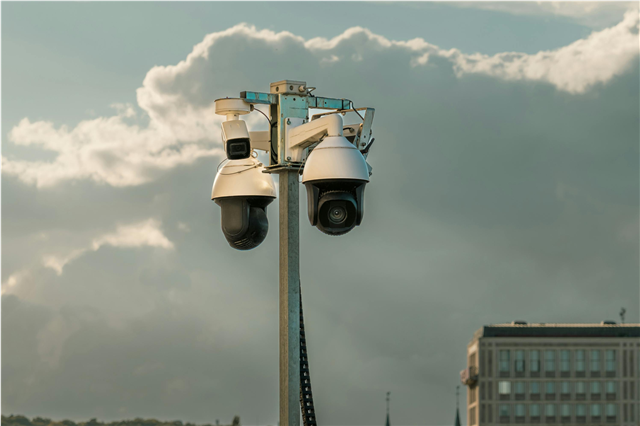
The Short Answer: Absolutely Yes!
Modern security technology allows for seamless integration between CCTV cameras and alarm systems, creating what experts call a "unified security ecosystem." This integration represents one of the most significant advancements in home and business security over the past decade.
1. Real-Time Visual Verification Reduces False Alarms by Up to 80%
Here's a stunning statistic: security systems that combine CCTV with alarms experience an 80% reduction in false alarms compared to standalone alarm systems. When an alarm is triggered, having immediate visual confirmation means no more scrambling to figure out whether it's your cat or an actual intruder.
Fact worth knowing: The average false alarm rate for traditional alarm systems is 94-98%, costing homeowners and businesses millions annually in unnecessary emergency responses.
2. Smart Integration Sends Alerts Directly to Your Smartphone
Modern integrated systems don't just sound alarms – they send real-time notifications with live video feeds directly to your smartphone. Imagine receiving a push notification showing exactly what triggered your alarm while you're miles away from your property.
Interesting fact: Over 73% of security breaches occur when properties are unoccupied. Integrated systems provide peace of mind by alerting you immediately, regardless of your location.
3. Professional Monitoring Becomes More Effective and Affordable
When CCTV cameras integrate with alarm systems, professional monitoring services become significantly more effective. Security professionals can see what's happening before dispatching authorities, reducing response times and improving accuracy.
Did you know? Properties with integrated camera-alarm systems receive police response 3x faster than those with standalone alarms alone.
4. The Technology Works Both Ways – Motion Detection Triggers Recording
Integration isn't just about alarms triggering cameras – sophisticated systems use camera motion detection to trigger alarm responses. If your camera detects unusual movement in restricted areas, it can automatically activate sirens or send alerts.
Remarkable fact: Modern motion detection algorithms can distinguish between humans, animals, and vehicles with 95% accuracy, minimizing unwanted triggers.
5. Insurance Companies Offer Substantial Discounts
Many insurance providers offer premium discounts of 10-20% for properties with integrated security systems. The visual evidence capability makes these systems particularly attractive to insurers.
Financial insight: The average homeowner recoups 200% of their security system investment through reduced insurance premiums and prevented losses within the first five years.
6. Cloud Storage Makes Evidence Accessible Anywhere
Integrated systems often include cloud storage capabilities, meaning alarm-triggered footage is automatically backed up and accessible from anywhere. This digital evidence is invaluable for both security incidents and everyday monitoring needs.
Technical fact: Modern cloud-based security systems can store months of footage with military-grade encryption, making them more secure than traditional local storage methods.
7. Scalability Allows for System Growth
Whether protecting a small apartment or a large commercial facility, integrated CCTV-alarm systems scale efficiently. You can start with basic integration and add components as needed.
Growth statistic: The global smart security market is projected to reach $7.9 billion by 2025, with integrated systems representing the fastest-growing segment.
How Does This Integration Work?
The magic happens through IP (Internet Protocol) connectivity. Modern CCTV cameras connect to the same network as alarm systems, allowing them to communicate seamlessly. When an alarm sensor is triggered – whether it's a door contact, motion detector, or glass break sensor – the system automatically activates corresponding cameras and begins recording.
Advanced systems can even use artificial intelligence to analyze footage in real-time, distinguishing between genuine threats and benign activities.
Professional vs. DIY Integration Options
Today's market offers both professional installation services and user-friendly DIY kits. While professional integration typically provides more robust features and warranties, modern consumer systems have made sophisticated integration accessible to everyone.
Pro tip: Look for systems using standardized protocols like ONVIF (Open Network Video Interface Forum) for maximum compatibility and future-proofing.
Bottom Line: A Unified Approach to Security
The integration of CCTV cameras with alarm systems represents a paradigm shift in security technology. Rather than managing separate systems that may not communicate effectively, integrated solutions create a comprehensive security network that's more intelligent, responsive, and reliable than the sum of its parts.
Whether you're protecting your family home, a small business, or a large commercial property, the combination of visual monitoring and alarm response creates a security solution that's significantly more effective than either technology could achieve alone.
Ready to upgrade your security system? Understanding how CCTV cameras and alarms work together is the first step toward creating a smarter, safer environment for everything you care about.


