
Can disinfectant products be used to clean surfaces in the kitchen
TL;DR: Yes, disinfectant products can be used to clean kitchen surfaces, but with important safety considerations. Here's what you need to know to keep your kitchen both spotless and safe.
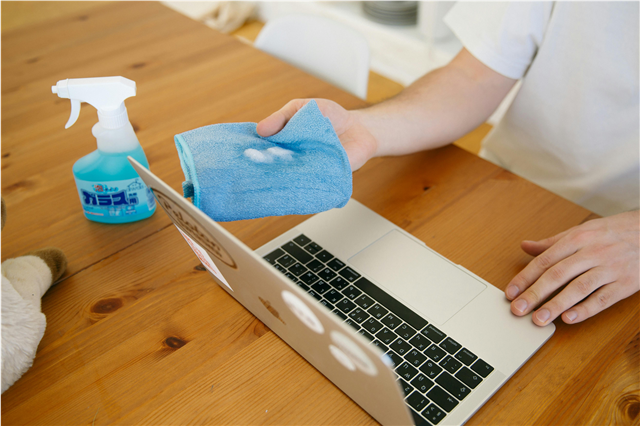
The Kitchen Disinfection Dilemma: What Science Tells Us
Keeping your kitchen clean goes beyond simple wiping – it's about eliminating harmful bacteria that can cause foodborne illness. But before you start spraying everything in sight, here are 15 crucial facts about using disinfectants in your culinary sanctuary.
15 Essential Facts About Kitchen Disinfectants
1. Not All Disinfectants Are Kitchen-Safe
While many disinfectants kill 99.9% of germs, some contain chemicals that aren't food-safe. Always check labels for kitchen use approval before applying to surfaces that contact food.
2. The FDA Stance on Kitchen Disinfection
The FDA approves specific disinfectants for kitchen use, requiring residual effectiveness testing. Look for EPA-registered products designed for food contact surfaces.
3. Bleach: Powerful But Precarious
Household bleach effectively kills bacteria on kitchen surfaces but requires proper dilution (1 tablespoon per gallon of water) and thorough rinsing to prevent chemical residue contamination.
4. Quaternary Ammonium Compounds (Quats) Reign Supreme
These disinfectants are increasingly popular in commercial kitchens because they're less corrosive and don't require rinsing on food-safe surfaces when properly labeled.
5. Vinegar Isn't a True Disinfectant
Despite popular belief, vinegar only kills about 90% of bacteria – not the 99.9% standard required for true disinfection. It's great for cleaning, but insufficient as a standalone disinfectant.
6. Contact Time Is Critical
Most disinfectants need 3-10 minutes of contact time to be effective. Simply spraying and wiping immediately only provides cleaning, not disinfection.
7. Temperature Matters for Effectiveness
Disinfectants work best at room temperature. Using them on hot surfaces or in freezing conditions can reduce their germ-killing power by up to 40%.
8. The 5-Second Rule Debunked
Research shows bacteria transfer to food instantly upon contact. Proper surface disinfection is your best defense against foodborne pathogens in the kitchen.
9. Cross-Contamination Zones Exist
Designate specific disinfectants for raw meat areas versus general surfaces. Using color-coded cleaning supplies prevents spreading harmful bacteria.
10. Steam: Nature's Disinfectant
High-temperature steam (above 175°F) kills 99.9% of bacteria without chemicals, making it an excellent natural disinfectant for kitchen surfaces.
11. Alcohol-Based Disinfectants Limitations
While 70% isopropyl alcohol works well on countertops, it evaporates quickly and may not maintain required contact time on vertical surfaces.
12. The "Clean First, Disinfect Second" Rule
Dirt and food particles can reduce disinfectant effectiveness by up to 50%. Always clean surfaces thoroughly before disinfecting.
13. Hidden Germ Hotspots Require Regular Disinfection
Kitchen sponges, cutting boards, and refrigerator handles harbor 100 times more bacteria than toilet seats, demanding regular disinfectant treatment.
14. Organic Matter Neutralizes Some Disinfectants
Proteins from raw meat can inactivate certain disinfectants within seconds. Use fresh disinfectant solutions and change them frequently.
15. Post-Disinfection Safety Protocol
Food-safe surfaces treated with appropriate disinfectants should air dry for 30 seconds before food contact. When in doubt, rinse with potable water.
Best Practices for Kitchen Disinfection
Choose Wisely
Select EPA-registered disinfectants labeled for food contact surfaces and kitchen use.
Follow Instructions
Adhere strictly to manufacturer's contact time, concentration, and safety instructions.
Maintain Equipment
Keep separate spray bottles for different areas and replace solutions daily.
Store Safely
Keep disinfectants away from food storage areas and at appropriate temperatures.
The Bottom Line
Disinfectant products can absolutely be used to clean kitchen surfaces when you choose the right products and follow proper protocols. The key is balancing effectiveness with food safety – your health depends on it.
Remember: cleanliness isn't just about appearances. Proper kitchen disinfection prevents illness, reduces food spoilage, and maintains the heart of your home. With these facts in mind, you're ready to create a kitchen environment that's not just clean, but truly sanitized.
Pro Tip: Create a kitchen disinfection schedule that includes daily surface treatment, weekly deep cleaning, and immediate disinfection after preparing raw meat or poultry. Your family's health is worth the extra effort.
Always read product labels carefully and consult healthcare professionals if you have respiratory sensitivities or concerns about chemical exposure in food preparation areas.


