
How are blood pressure monitors used to measure blood pressure?
Blood pressure monitoring is one of the most common medical procedures worldwide, yet few people understand the incredible science behind how these devices actually work. From the revolutionary invention that changed healthcare forever to the surprising accuracy of modern technology, blood pressure monitors represent one of medicine's most important diagnostic tools.
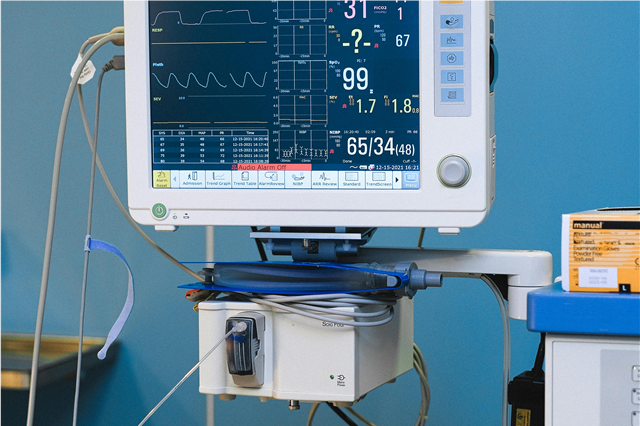
1. The Revolutionary Invention That Started It All (1896)
The first blood pressure monitor was invented by Italian physician Scipione Riva-Rocci in 1896. His simple yet ingenious device used a rubber bag wrapped around the arm and inflated with a bicycle pump. This primitive cuff, combined with a mercury manometer, laid the foundation for every blood pressure monitor we use today.
Amazing fact: Before this invention, doctors had no reliable way to measure blood pressure, making heart disease diagnosis nearly impossible.
2. The "Squeeze and Listen" Method Explained
Traditional blood pressure monitors use what's called the oscillometric method. Here's how it works:
- The cuff inflates around your arm, temporarily stopping blood flow
- Gradual deflation allows blood to flow again
- Pressure sensors detect the sounds of blood pushing through your arteries
- Two readings appear: Systolic (heart beating) and diastolic (heart resting)
The science behind it: These sounds, called Korotkoff sounds, were discovered by Russian physician Nikolai Korotkoff in 1905 – the same year Einstein published his theory of relativity!
3. Digital Monitors Use Advanced Algorithms
Modern digital blood pressure monitors don't just pump air – they're essentially mini-computers analyzing your cardiovascular system. These devices use:
- Oscillometric technology that measures pressure wave oscillations
- Advanced algorithms that interpret pulse patterns
- Multiple readings automatically averaged for accuracy
Fun fact: High-end digital monitors can detect irregular heartbeats and provide accuracy within 3mmHg – that's incredibly precise for a $30 device!
4. Wrist Monitors Work on the Same Principle
You might wonder how wrist blood pressure monitors work without an arm cuff. The answer is simple – they use the exact same technology, just in a smaller package:
- Miniaturized cuff fits around your wrist
- Same pressure sensors detect blood flow
- Identical algorithms calculate your readings
Important note: Wrist monitors should be positioned at heart level for accurate readings – just like arm monitors!
5. The Numbers Tell Your Body's Story
When you see those two numbers (like 120/80), you're reading:
- Systolic pressure (top number): Force when your heart contracts
- Diastolic pressure (bottom number): Force when your heart relaxes
Medical milestone: Understanding these numbers has saved millions of lives by identifying silent killers like hypertension before symptoms appear.
6. Modern Monitors Can Spot Problems Beyond Blood Pressure
Today's advanced blood pressure monitors are actually sophisticated cardiovascular diagnostic tools that can:
- Detect irregular heart rhythms
- Monitor pulse rate variability
- Store multiple user profiles
- Track readings over time
- Send data to smartphones via Bluetooth
Technology breakthrough: Some monitors now use artificial intelligence to predict cardiovascular risk factors based on reading patterns.
7. Home Monitoring Is More Important Than Ever
The global blood pressure monitor market is expected to reach $1.8 billion by 2027, driven by:
- Rising hypertension awareness
- Remote healthcare trends
- Preventive medicine emphasis
- Smartphone integration
Public health impact: Regular home monitoring can reduce stroke risk by up to 40% when combined with proper medical care.
The Bottom Line: Your Health in Your Hands
Blood pressure monitors have evolved from simple rubber cuffs to sophisticated health monitoring systems that put preventive care directly in your hands. Whether you're using a traditional arm cuff or a cutting-edge smart device, these remarkable tools continue to save lives by making cardiovascular health monitoring accessible, accurate, and effortless.
Pro tip: For the most accurate readings, always follow manufacturer instructions, avoid caffeine for 30 minutes before testing, and take multiple readings at different times of day.
Regular blood pressure monitoring is one of the simplest yet most effective ways to protect your cardiovascular health. With modern technology making these life-saving devices affordable and easy to use, there's never been a better time to take control of your heart health.


