
How are CCTV cameras used in banks for security
Banks are among the most heavily monitored places on Earth, and for good reason. With billions of dollars flowing through their doors daily, financial institutions have become experts at using cutting-edge CCTV camera technology to safeguard assets and customers. Here are some fascinating facts about how bank security cameras work that might surprise you.
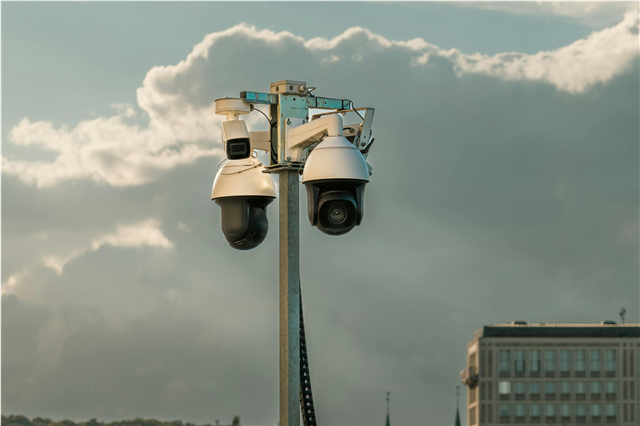
The Eyes That Never Blink: Bank Surveillance Facts
1. Banks Use Multiple Camera Types Working Together
Modern banks don't rely on just one type of surveillance system. They typically deploy dome cameras for wide-angle coverage, bullet cameras for specific entry points, PTZ (Pan-Tilt-Zoom) cameras for detailed tracking, and even thermal imaging cameras for detecting unusual heat signatures. This multi-layered approach creates a virtually impenetrable visual barrier around every square foot of the facility.
2. Facial Recognition Technology is Watching Everyone
Today's advanced banking security systems can identify faces with remarkable accuracy—often within 99% precision. These systems can flag known criminals, persons of interest, or individuals who appear on multiple watchlists within seconds of entering the premises. Some banks even use gait analysis technology that can recognize people by their walking patterns.
3. Modern Bank Cameras Can See in Total Darkness
Thanks to infrared and thermal technology, today's financial institution surveillance equipment can capture crystal-clear footage even in complete darkness. Many systems actually produce better images at night than during the day because they're not dealing with glare, shadows, or changing light conditions.
4. AI-Powered Behavior Analysis Prevents Crimes Before They Happen
The latest video surveillance solutions for banks include artificial intelligence that can detect suspicious behavior patterns. These systems can identify when someone appears nervous, is casing the area, or exhibiting other pre-criminal behaviors. The security monitoring services can then alert human guards to investigate before any crime occurs.
5. Every Transaction Point Has Dedicated Recording
From ATM machines to individual teller stations, bank surveillance camera installations ensure that every financial transaction is recorded from multiple angles. High-resolution cameras capture not just what happens, but also facial expressions, body language, and even handwriting details during check deposits.
6. Remote Monitoring Means Constant Oversight
Professional security system installation companies connect bank cameras to 24/7 monitoring centers where trained operators watch live feeds and review recorded footage. This means that whether it's 2 AM or 2 PM, human eyes are always analyzing the video feed for potential threats.
7. Cloud-Based Storage Makes Evidence Tamper-Proof
Modern commercial security camera systems automatically upload footage to secure cloud servers, making it nearly impossible for anyone—including bank employees—to alter or delete crucial evidence. This ensures that investigation footage remains pristine and admissible in court.
8. Audio Recording Adds Another Layer of Security
Many banks supplement their closed-circuit television systems with high-quality audio recording. This allows investigators to hear conversations between tellers and customers, potentially picking up on coded language used by criminals or capturing verbal threats that cameras alone might miss.
9. Integration With Other Security Systems Creates a Fortress Effect
Today's video surveillance technology works hand-in-hand with motion sensors, door locks, alarm systems, and even biometric scanners. When these systems detect unusual activity, cameras automatically focus on problem areas and increase recording quality while simultaneously alerting security personnel.
10. Regulatory Requirements Dictate Minimum Coverage Standards
Government regulations require banks to maintain specific surveillance standards, including minimum recording quality, required coverage areas, and retention periods. Most banks exceed these requirements significantly to ensure complete protection and compliance.
The Technology Behind Modern Banking Security
High-Definition Imaging Revolution
Today's bank surveillance systems offer 4K ultra-high-definition resolution, allowing investigators to read license plates, see facial features clearly across large lobbies, and zoom into specific details without losing image quality. This represents a massive improvement over the grainy footage that characterized older surveillance security systems.
Real-Time Analytics and Alerts
Advanced security camera solutions now include features like:
- Automatic license plate recognition
- Crowd density monitoring
- Unattended object detection
- Emergency situation identification
- Customer traffic pattern analysis
Mobile Access for Rapid Response
Bank security teams can access live and recorded footage from smartphones and tablets, allowing them to monitor situations remotely and coordinate responses more effectively than ever before.
Why Banks Lead the Security Innovation Curve
Financial institutions invest heavily in security monitoring equipment because the cost of prevention far outweighs the cost of recovery after a security breach. The banking industry drives many advances in surveillance camera technology that eventually filter down to other commercial applications.
Banks also face unique challenges that require specialized solutions, such as protecting both physical cash and digital information, managing large numbers of anonymous visitors, and maintaining records for extended periods for legal purposes.
The Future of Bank Security Cameras
Emerging technologies promise to make bank surveillance security systems even more effective:
- Biometric integration with facial recognition
- Drone surveillance for larger facilities
- Edge computing that processes data locally for faster response times
- Augmented reality overlays showing real-time threat assessments
- Predictive analytics identifying potential problems before they occur
Key Takeaways
Banks' use of CCTV camera surveillance systems represents the cutting edge of security technology deployment. These aren't simple recording devices—they're sophisticated, AI-powered networks that actively prevent crimes while creating comprehensive documentation for investigations.
The investment banks make in top-tier commercial camera installation services pays dividends in reduced losses, faster law enforcement cooperation, and increased customer confidence. As technology continues advancing, we can expect bank security systems to become even more intelligent, responsive, and virtually invisible to honest customers while remaining completely comprehensive in their monitoring capabilities.
Whether you're considering surveillance security upgrades for your business or simply curious about how modern technology protects our financial institutions, understanding these bank security camera innovations reveals just how sophisticated commercial surveillance has become—and why banks remain some of the safest places in our communities.


