
How are drones used for inspecting and maintaining wind turbines and solar panels?
The renewable energy sector is soaring to new heights—literally—thanks to drone technology. These aerial marvels are transforming how we maintain and inspect our clean energy infrastructure, making the process faster, safer, and more efficient than ever before.
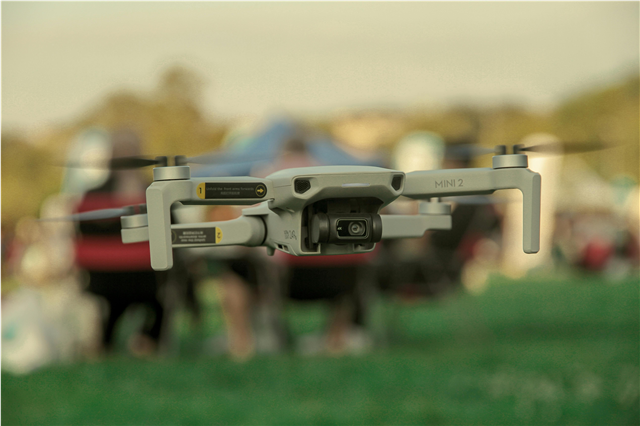
1. Drones Can Spot Problems You Can't See
Traditional wind turbine inspections required technicians to climb hundreds of feet up towering structures or hang from helicopters—a dangerous and expensive process. Today's drones equipped with high-resolution cameras and thermal imaging can detect microscopic cracks, hot spots, and other issues that are invisible to the naked eye, all from a safe distance.
2. One Drone Flight Replaces a Team of Technicians
A single drone inspection can cover what would normally require a team of 4-6 technicians working for days. These robotic inspectors can examine wind turbine blades, nacelles, and towers in just 20-30 minutes—compared to the 8-12 hours traditionally needed for manual inspections.
3. Solar Farms Spanning Miles Get Inspected in Hours
Solar panel drones can survey massive installations covering hundreds of acres in a matter of hours. What once took weeks of manual labor can now be accomplished in days, with thermal cameras identifying underperforming panels that might be reducing overall efficiency by up to 15%.
Pro Tip: Regular drone inspections can increase solar panel farm efficiency by catching maintenance issues early.
4. AI-Powered Drones Make Smarter Decisions
Modern inspection drones use artificial intelligence to automatically identify and categorize problems. They can distinguish between normal wear patterns and serious issues, prioritizing maintenance needs and predicting potential failures before they occur.
5. Drones Work in Extreme Conditions
While humans might be grounded during storms, high winds, or extreme temperatures, specialized drones can operate in conditions up to 140°F and winds exceeding 40 mph. Some models are even waterproof, allowing inspections during light rain or over water installations.
6. The "Digital Twin" Revolution
Drones create detailed 3D models of wind turbines and solar installations, building digital twins that allow engineers to monitor structural health over time. These virtual replicas help predict maintenance needs and optimize performance without ever stepping foot on-site.
7. Ultrasonic Inspection Without the Hassles
Some advanced drones carry ultrasonic testing equipment to detect internal flaws in turbine blades that would be impossible to find through visual inspection alone. This technology can identify problems hidden deep within composite materials before they become catastrophic failures.
8. Solar Panel Cleaning Drones Are Here
Beyond inspections, specialized cleaning drones are now maintaining solar panels automatically. These robots traverse panel surfaces, removing dust, debris, and bird droppings that can reduce efficiency by up to 25% in arid climates.
9. Real-Time Reporting from 400 Feet Up
Modern drone systems transmit live video feeds and data directly to ground control stations, allowing multiple experts to analyze conditions simultaneously from different locations. This real-time collaboration speeds up decision-making and reduces the need for multiple site visits.
10. Cost Savings That Will Blow Your Mind
Companies report 75-80% cost reductions in inspection expenses after implementing drone technology. What once cost $15,000-$20,000 per turbine inspection now costs as little as $3,000-$5,000, while improving safety and accuracy.
The Future Is Flying High
As drone technology continues evolving, we're seeing developments in autonomous swarm inspections, where multiple drones work together to inspect entire wind farms simultaneously. Some companies are even developing drones that can perform minor repairs, like applying protective coatings or replacing small components.
The integration of drone technology in renewable energy maintenance represents one of the most significant advances in the industry since the technology itself was invented. As costs continue decreasing and capabilities expanding, drones are proving that the future of renewable energy maintenance is not just automated—it's flying.
Key Takeaway: Drone inspections increase renewable energy infrastructure safety by 90% while reducing maintenance costs and improving system efficiency through early problem detection.
Ready to learn how drone technology can optimize your renewable energy operations? The sky's the limit when it comes to modernizing maintenance and inspection protocols.


