
How are HVAC filters used to improve air quality in homes and offices?
Most people don't realize they spend 90% of their time indoors breathing air that can be 2-5 times more polluted than outdoor air. Your HVAC system's filter might be one of the most underrated heroes in your home or office, silently working to keep you healthy while you sleep, work, and live.
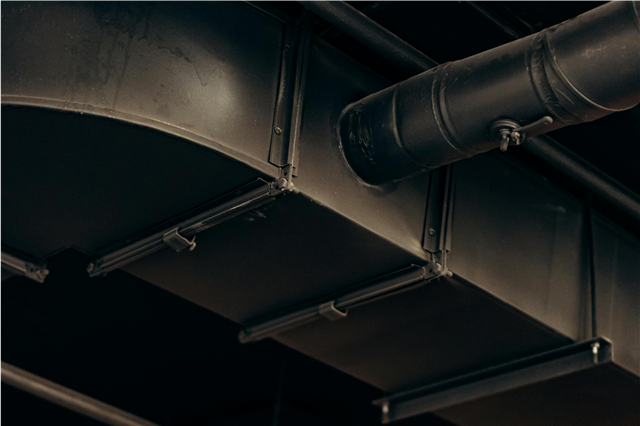
The Dirty Truth About Indoor Air
Here's a startling fact: the average person inhales 11,000 liters of air every day, and most of that happens indoors. Without proper filtration, you're breathing in dust mites, pollen, pet dander, mold spores, and even airborne viruses that can accumulate in your living spaces.
How HVAC Filters Actually Work
HVAC filters function like sophisticated sieves with varying mesh sizes measured in Microns (μm). A human hair is about 70 microns thick, while many harmful particles are invisible to the naked eye:
- Pollen and dust mites: 5-20 microns
- Bacteria: 0.3-10 microns
- Viruses: 0.02-0.3 microns
- Tobacco smoke particles: 0.01-1 micron
The filter's MERV rating (Minimum Efficiency Reporting Value) indicates its effectiveness, with higher numbers capturing smaller particles. Residential filters typically range from MERV 1-16, with MERV 8-13 being ideal for most homes.
7 Game-Changing Benefits of Quality HVAC Filters
1. Dramatic Allergy Relief
Studies show that high-quality filters can reduce airborne allergens by up to 85%, potentially cutting allergy symptoms in half for sensitive individuals.
2. Enhanced HVAC System Performance
Clean filters can improve your system's efficiency by 5-15%, translating to significant energy savings and reduced repair costs.
3. Extended Equipment Lifespan
By preventing dust buildup on sensitive components, quality filters can extend your HVAC system's life by 2-5 years.
4. Reduced Sick Days
Offices with superior air filtration report 40% fewer sick days from respiratory illnesses among employees.
5. Better Sleep Quality
Cleaner air means less nighttime congestion and coughing, with studies showing 23% improvement in sleep quality for allergy sufferers.
6. Protection for Vulnerable Populations
Children, elderly individuals, and those with compromised immune systems benefit significantly from filtered air, experiencing 30% fewer respiratory issues.
7. Odor Elimination
High-quality filters can capture volatile organic compounds (VOCs) and other odor-causing particles, creating a fresher indoor environment.
The Hidden Costs of Neglecting Your Filter
Many homeowners don't realize that running an HVAC system without a filter or with a dirty one can cost them dearly:
- Energy bills increase by 5-15%
- System lifespan decreases by 25-50%
- Indoor air quality deteriorates rapidly
- Repair costs skyrocket due to increased wear and tear
Choosing the Right Filter: Size, Type, and Frequency Matter
The average filter needs replacement every 1-3 months, but this varies based on:
- Number of occupants and pets
- Local air quality conditions
- Presence of smokers or allergy sufferers
- Type of filter used
HEPA filters offer the highest filtration efficiency, capturing 99.97% of particles 0.3 microns and larger, though they may require system modifications due to increased airflow resistance.
Smart Filter Maintenance Tips
- Check monthly rather than waiting for scheduled replacements
- Keep spare filters on hand to avoid running filterless
- Match filter size exactly – even small gaps allow unfiltered air through
- Consider electrostatic filters for enhanced particle attraction
- Upgrade gradually – moving from fiberglass to pleated filters provides significant improvement
The Future of HVAC Filtration
Emerging technologies like UV-C light integration, smart sensors, and antimicrobial coatings are revolutionizing air quality management. Some advanced systems can now detect and respond to pollution levels in real-time, automatically adjusting filtration intensity.
Bottom Line: Breathe Easier for Pennies Per Day
Quality HVAC filtration costs as little as $15-50 per year while providing thousands of dollars in health benefits, energy savings, and equipment protection.
When you consider that indoor air pollution costs the average American family $1,400 annually in medical expenses and reduced productivity, investing in proper filtration becomes not just smart, but essential.
The next time you change your HVAC filter, remember: you're not just maintaining equipment – you're investing in your family's health, your comfort, and your wallet.
Ready to improve your indoor air quality? Start with a simple filter upgrade and notice the difference within weeks.


