
How are industrial automation systems applied in material handling and logistics?
The modern supply chain operates at lightning speed, and industrial automation systems are the invisible force driving this revolution. From the moment a product leaves the factory floor to when it reaches your doorstep, automated solutions are working behind the scenes. Here are 10 fascinating ways industrial automation is transforming material handling and logistics:
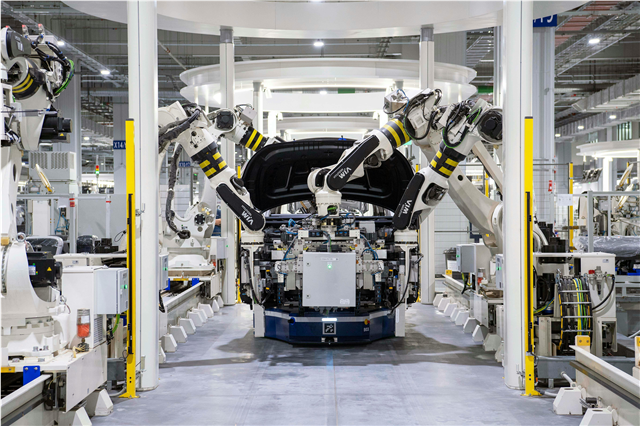
1. Automated Guided Vehicles (AGVs) Navigate Warehouse Floors Like Pro Athletes
Modern AGVs can navigate complex warehouse environments without GPS, using advanced sensors and mapping technology. These robotic workhorses can lift up to 3,000 pounds and operate 24/7, increasing warehouse productivity by 30-50% compared to manual operations. Companies like Amazon deploy over 200,000 robotic drive units in their fulfillment centers, moving goods with unprecedented precision.
2. Warehouse Robots Can "See" and Sort Items Better Than Humans
Machine vision technology enables robots to identify, sort, and process over 10,000 different product types per hour. These systems achieve 99.9% accuracy rates – that's fewer than 1 error in 1,000 packages! Modern sorting robots equipped with AI-powered vision systems can adapt to new products without reprogramming, making them incredibly flexible for seasonal inventory changes.
3. Smart Conveyor Systems Make Decisions in Milliseconds
Today's intelligent conveyor systems use RFID tags, barcode scanners, and AI algorithms to route packages automatically. These systems can process up to 15,000 packages per hour while making real-time decisions about the optimal path for each item. The system continuously optimizes routes based on destination zones, package characteristics, and current traffic flow.
4. Robotic Arms Can Pick 1,000 Items Per Hour with Surgical Precision
Advanced picking robots equipped with adaptive grippers can handle fragile items like eggs and delicate electronics with the same efficiency they handle sturdy boxes. These robots work alongside human workers, increasing picking accuracy to 99.5% while reducing labor costs by up to 60%. Some systems can identify and pick items from unstructured environments – meaning they don't need perfectly organized bins.
5. Drones Are Revolutionizing Inventory Management Overnight
Warehouse drones can scan entire facilities in hours rather than weeks, using RFID and barcode technology to count inventory with 99% accuracy. These flying robots can access hard-to-reach areas 30 feet above ground, reducing the need for dangerous manual inventory checks. Some companies report 95% reduction in inventory counting time after implementing drone systems.
6. Predictive Analytics Prevent Stock-Outs Before They Happen
AI-powered demand forecasting systems analyze historical data, seasonal trends, weather patterns, and social media sentiment to predict product demand with 90% accuracy. These systems automatically adjust inventory levels and trigger reorders, reducing stock-outs by up to 70% while minimizing excess inventory by 25%.
7. Automated Storage and Retrieval Systems (AS/RS) Maximize Space Like Tetris Masters
Modern AS/RS solutions can store 40% more products in the same footprint compared to traditional shelving. These systems use vertical space efficiently, with some installations reaching 140 feet high. Robotic cranes can retrieve specific items in under 30 seconds, making high-density storage practical for fast-moving inventory.
8. IoT Sensors Create an "Internet of Things" for Every Package
Smart sensors attached to products and packaging provide real-time visibility into location, temperature, humidity, and shock events throughout the supply chain. This technology reduces product damage by up to 65% and provides customers with detailed tracking information, improving satisfaction rates by 40%.
9. Autonomous Mobile Robots (AMRs) Adapt to Changing Environments Instantly
Unlike traditional AGVs that follow fixed paths, AMRs use simultaneous localization and mapping (SLAM) technology to navigate dynamically changing environments. They can instantly reroute when obstacles appear and even work collaboratively with multiple robots to optimize material flow. These systems reduce implementation time from months to weeks.
10. Blockchain Integration Ensures Supply Chain Transparency
Automated systems now integrate blockchain technology to create immutable records of every touchpoint in the supply chain. This technology reduces counterfeit goods by 80% and provides consumers with complete product journey visibility. Smart contracts automatically trigger payments and quality checks, reducing administrative overhead by up to 50%.
The Bottom Line: Automation Isn't the Future – It's Today
Industrial automation in material handling and logistics isn't just about replacing human workers – it's about creating intelligent systems that work alongside people to achieve unprecedented levels of efficiency, accuracy, and customer satisfaction. Companies investing in these technologies report:
- 25-40% reduction in operational costs
- 50-70% faster order processing
- 99%+ accuracy rates in picking and sorting
- 24/7 operational capability
As consumer expectations continue to demand faster delivery and greater transparency, industrial automation systems have become essential infrastructure for competitive logistics operations. The question isn't whether to automate, but rather how quickly organizations can adopt these transformative technologies while maintaining the human touch that customers value.
The future of material handling is here, and it's running 24/7 with remarkable precision, efficiency, and intelligence that continues to push the boundaries of what's possible in modern logistics.


