
How are industrial automation systems used to streamline supply chain operations?
TL;DR: Industrial automation isn't just about robots replacing humans—it's about creating supercharged supply chains that move faster, cost less, and make fewer mistakes than ever before.
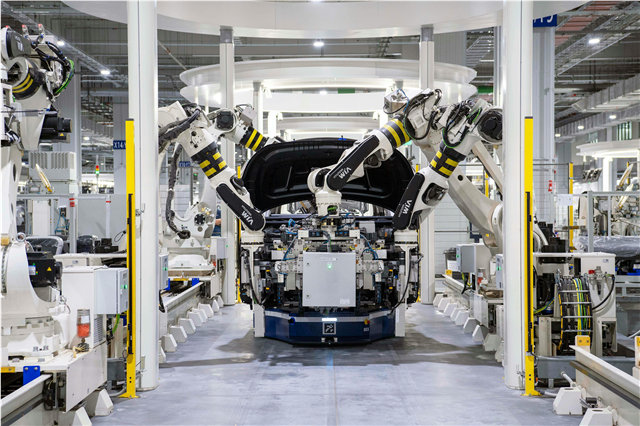
Supply chains today are like complex orchestras, and industrial automation systems are the conductors that keep everything in perfect harmony. But how exactly do these technological marvels transform chaotic logistics into streamlined operations? Let's uncover some fascinating facts that reveal the true power of automation in supply chains.
1. Warehouse Robots Can Pick Items 5x Faster Than Humans
Amazon's Kiva robots revolutionized warehouse operations by bringing shelves directly to human workers. But here's what's even more impressive: autonomous mobile robots (AMRs) can navigate warehouses at speeds up to 1.6 meters per second, picking and sorting items with 99.9% accuracy. This means a task that might take a human worker 30 minutes can be completed by a robot in just 6 minutes.
2. AI-Powered Demand Forecasting Reduces Inventory Waste by Up to 40%
Modern supply chains generate more data than ever before—and industrial automation systems don't just collect this data, they transform it into actionable insights. AI algorithms can now predict demand patterns with incredible accuracy by analyzing historical sales data, seasonal trends, weather patterns, and even social media sentiment. Companies using these systems report inventory waste reductions of up to 40%, translating to millions in savings.
This predictive capability means the right products are in the right place at the right time, eliminating both stock-outs and overstock situations that cost businesses billions annually.
3. Automated Guided Vehicles (AGVs) Never Take Breaks, Sick Days, or Vacation
While human workers need rest, automated guided vehicles operate 24/7 without fatigue. These tireless workers can move materials, transport goods between facilities, and even handle loading and unloading operations continuously. The result? Productivity increases of up to 300% compared to manual material handling operations.
Think about it: one AGV can work three shifts worth of human labor, and it doesn't require benefits, overtime pay, or workplace safety training for hazardous environments.
4. Blockchain Meets Automation for Unhackable Supply Chain Transparency
Here's a mind-blowing fact: when blockchain technology integrates with industrial automation systems, supply chains become virtually unhackable and completely transparent. Each product's journey from raw materials to consumer can be tracked and verified automatically, with every transaction recorded permanently. This technology is so secure that major corporations like Walmart use it to trace food products back to their farm origin in seconds rather than days.
This automation-driven transparency reduces fraud, prevents counterfeiting, and builds consumer trust through verifiable authenticity.
SEO Keywords: blockchain supply chain, supply chain transparency, product traceability
5. Predictive Maintenance Saves Companies Millions by Preventing Equipment Failures
Industrial automation systems don't just control operations—they predict when equipment will fail before it actually does. Using sensors and machine learning algorithms, these systems monitor equipment health in real-time, detecting anomalies that indicate potential failures weeks or months in advance.
Companies implementing predictive maintenance report equipment downtime reductions of up to 50% and maintenance costs decreased by 10-40%. For a large manufacturing facility, this can translate to savings of millions of dollars annually.
SEO Keywords: predictive maintenance, industrial IoT, equipment monitoring
6. Automated Supply Chains Can Respond to Disruptions 10x Faster Than Manual Systems
Natural disasters, supplier issues, or sudden demand spikes can devastate traditional supply chains. Automated systems, however, can adapt almost instantly. When a hurricane threatens a port, automated systems can reroute shipments to alternative facilities, adjust production schedules, and notify customers of delays—all within minutes.
This rapid response capability reduces supply chain disruption losses by an average of 35% compared to manual intervention systems.
SEO Keywords: supply chain resilience, disruption management, automated response
7. The Integration of 5G Makes Real-Time Supply Chain Visibility Possible
With 5G networks, industrial automation systems can transmit massive amounts of data with virtually zero latency. This means supply chain managers can monitor every aspect of their operations in real-time, from container ship locations in international waters to the exact temperature of refrigerated goods during transport.
This connectivity enables what industry experts call "digital twin" supply chains—virtual replicas that mirror physical operations, allowing for testing, optimization, and prediction without disrupting actual operations.
SEO Keywords: 5G supply chain, real-time visibility, digital twin technology
The Future Is Now: Why Automation Isn't Coming—It's Here
What's truly remarkable isn't just that these technologies exist, but how quickly they're transforming supply chain operations across industries. From pharmaceuticals tracking temperature-sensitive medications across continents to automotive manufacturers coordinating parts delivery with clockwork precision, industrial automation systems are creating supply chains that are faster, cheaper, and more reliable than ever before.
The question isn't whether your supply chain will be automated—it's how quickly you can implement these technologies to stay competitive in an increasingly automated world.
Companies that embrace industrial automation today aren't just streamlining their operations; they're positioning themselves as leaders in the next generation of supply chain excellence.
Ready to transform your supply chain with industrial automation? The future of logistics is here, and it's running on autopilot—all you need to do is steer.
Author Bio: Supply chain automation expert with 10+ years of experience helping businesses implement cutting-edge industrial automation solutions. Specializing in warehouse robotics, AI-driven logistics, and Industry 4.0 technologies.
Tags: industrial automation, supply chain optimization, warehouse robotics, AI supply chain, Industry 4.0, logistics technology


