
How are mining trucks used for hauling heavy loads in mining operations?
Mining trucks aren't just big - they're engineering marvels that move mountains of material every day. These colossal vehicles are the workhorses of mining operations worldwide, but there's more to them than meets the eye. Here are some fascinating facts about how mining trucks handle their heavy-duty hauling responsibilities.
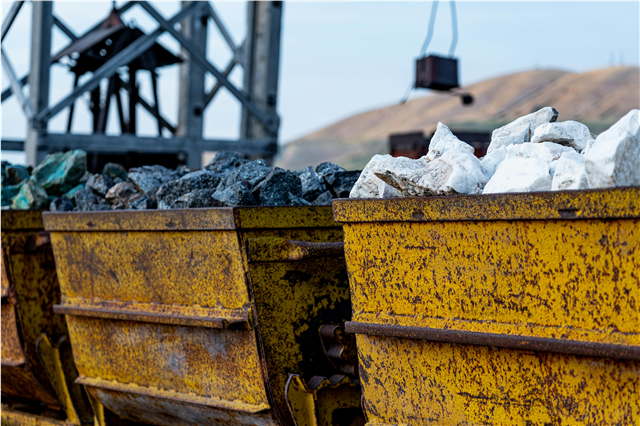
1. They're Literally as Big as Houses
The largest mining trucks in operation today can carry payloads of over 400 tons - that's equivalent to about 200 compact cars! The Caterpillar 797F, one of the most popular ultra-class haul trucks, stands nearly 25 feet tall and is over 45 feet long. When you see one on the road, you're looking at a machine larger than most residential homes.
These giants use massive 240-ton capacity dump bodies made from high-strength steel to withstand the constant abuse of heavy rock and ore materials. The truck beds are designed to handle materials weighing as much as a blue whale with every load.
2. Their Engines Pack Insane Power
Mining trucks don't just carry heavy loads - they move them up steep grades and rough terrain. The engines powering these behemoths generate anywhere from 2,000 to 4,000 horsepower, which is more power than a Formula 1 race car produces.
What's even more impressive is that much of this power goes directly into moving the payload rather than the vehicle itself. These trucks can maintain speeds of 40-50 mph even when fully loaded, thanks to their advanced power-to-weight ratios and sophisticated transmission systems.
3. They Use Regenerative Braking to Save Energy
Here's a green technology fact that might surprise you: many modern mining trucks use regenerative braking systems similar to electric cars. When these massive vehicles descend hills with heavy loads, their electric drive systems convert the braking energy back into electricity, which is stored and reused.
This innovation not only reduces wear on brake components but can actually help power the truck's systems, making these fuel-guzzling machines more efficient than you'd expect.
4. GPS and Automation Are Changing Everything
Modern mining operations are embracing smart technology. Today's mining trucks often feature GPS guidance systems that optimize routes, monitor payload weights, and track maintenance schedules. Some operations even use autonomous haul trucks that operate without human drivers, following pre-programmed routes and communicating with other equipment in the fleet.
These intelligent systems can increase productivity by up to 15% while reducing fuel consumption and improving safety conditions for workers.
5. They're Built to Last Decades
Unlike regular trucks that might last 10-15 years, mining trucks are constructed as long-term investments. A well-maintained mining truck can operate for 20-30 years in harsh conditions, often accumulating over 300,000 miles of service.
The secret? These machines use robust construction techniques, oversized components, and modular designs that make repairs easier. When a part wears out, it can often be rebuilt rather than replaced entirely, keeping these workhorses running for decades.
6. Tire Technology is Critical
Mining truck tires are engineering feats themselves. A single tire for one of these giants can cost $50,000 or more and weighs as much as a small car. These specialized tires are designed to handle extreme loads, sharp rocks, and temperature variations from -40°F to over 150°F.
What's fascinating is that these tires operate at much lower pressures than regular truck tires to distribute weight evenly across the tread surface, preventing blowouts under massive loads.
7. They Work in Perfect Synchronization
Successful mining operations require precise coordination between haul trucks, excavators, and processing equipment. In a typical large-scale operation, dozens of these trucks operate on carefully planned cycles: loading, hauling, dumping, and returning for another load.
Advanced fleet management systems track each truck's location, load status, and maintenance needs to ensure maximum efficiency. The goal is to keep trucks moving continuously, as each minute of downtime represents thousands of dollars in lost productivity.
The Bottom Line on Mining Truck Hauling
Mining trucks represent the pinnacle of heavy-duty transportation technology. They combine massive power, advanced materials, and cutting-edge electronics to move unprecedented amounts of material efficiently and safely. As mining operations continue to expand and technology evolves, these incredible machines will only become more sophisticated and productive.
Whether you're fascinated by heavy machinery or simply curious about how modern mining works, understanding these hauling giants gives you a new appreciation for the engineering and logistics that bring raw materials from deep within the earth to the products we use every day.
The next time you see a small dump truck on the highway, remember that somewhere in a mining operation nearby, its much larger cousin is probably moving enough material in a single load to fill dozens of those smaller trucks combined. That's the reality of modern mining operations and the incredible trucks that make them possible.


