
How are packaging materials used for branding and product visibility?
TL;DR: Packaging isn't just about protecting products – it's a $600 billion global industry that speaks louder than traditional advertising. From Coca-Cola's iconic bottle shape to Tiffany's distinctive blue box, packaging drives 72% of purchasing decisions and can increase brand recognition by up to 80%. Welcome to the fascinating world where packaging becomes profit.
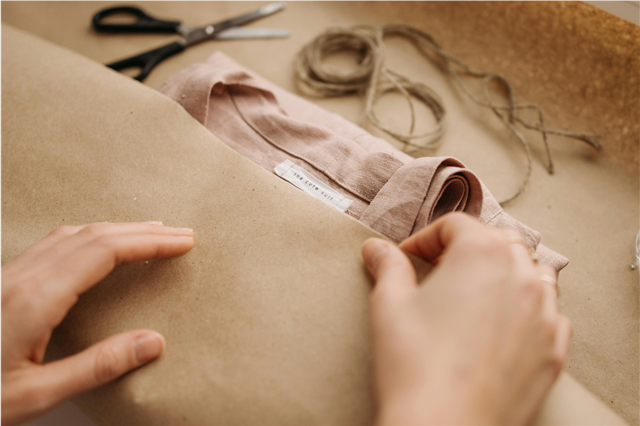
The Packaging Powerhouse: Facts That Will Blow Your Mind
1. Packaging Can Increase Sales by 20-30%
Believe it or not, the right packaging can boost sales by nearly one-third. Companies like Apple have mastered this art, with their minimalist white boxes contributing significantly to their premium brand perception. The packaging itself becomes part of the product experience.
2. Your Brain Judges Packaging in 7 Seconds
That's faster than it takes to decide if you're attracted to someone! This "7-second rule" means packaging must communicate brand identity, product benefits, and quality instantly. Colors, textures, and shapes all compete for attention in this crucial window.
3. Color Psychology Drives 85% of Purchase Decisions
Red packaging increases impulse purchases by 40% (think McDonald's, Coca-Cola). Blue evokes trust (Facebook, IBM), while green suggests eco-friendliness. Luxury brands favor black (23% more perceived value) and gold accents (65% premium pricing potential).
4. The Average Person Encounters 1,500 Brand Experiences Daily
In this cluttered landscape, packaging stands out as one of the few brand touchpoints with 100% attention capture. Unlike digital ads with 0.05% CTR, packaging has nearly 100% engagement rate at the point of purchase.
5. Packaging Accounts for 15% of Marketing Budget Success
Smart brands allocate 10-20% of marketing budgets to packaging design. Unilever spends over $2 billion annually on packaging innovation, understanding that shelf presence equals sales presence.
Material Magic: How Different Packaging Materials Speak Brand Language
6. Glass = Premium Positioning (90% Believe It)
Glass packaging increases perceived product quality by 60%. Luxury skincare brands use glass not just for preservation, but because consumers associate it with purity and premium ingredients. The weight, texture, and sound of glass create a sensory experience worth 15-25% price premiums.
7. Plastic Flexibility Drives Innovation
Modern plastics enable impossible shapes and interactive elements. Nike's self-healing packaging, Amazon's frustration-free boxes, and Coca-Cola's PlantBottle showcase how materials can communicate innovation and brand values.
8. Paper Packaging Tells Sustainability Stories
Seventy-three percent of consumers are willing to pay more for sustainable packaging. Brands like Patagonia use recycled materials to communicate environmental responsibility, while luxury brands use textured papers to signal craftsmanship.
9. Metal Packaging Commands Premium Pricing
Metallic packaging increases perceived value by 35%. Gold-plated toothpaste, premium beer cans, and luxury cosmetics use metal's association with permanence and quality to justify higher price points.
The Visibility Equation: Making Products Impossible to Ignore
10. Shape Psychology Influences 68% of Purchase Decisions
Tall, slender packaging suggests premium quality (think luxury perfumes). Rounded shapes communicate friendliness and approachability, while angular designs suggest efficiency and professionalism. Virgin's red flight tracker packaging literally stands upright to grab attention.
11. Interactive Packaging Engages 5x More
QR codes, augmented reality, and scratch-and-sniff elements increase engagement by 400%. L'Oreal's virtual makeup try-ons via packaging QR codes boost sales by 25% compared to traditional packaging.
12. Smart Packaging Communicates Freshness
Intelligent packaging with color-changing elements increases consumer confidence by 70%. Temperature indicators, freshness sensors, and tamper-evident features communicate trust and quality directly through packaging materials.
The Numbers Game: ROI on Packaging Investment
13. Packaging Design Drives 72% of Purchase Decisions
At the point of sale, packaging becomes the silent salesperson. Effective packaging design increases brand recall by 80% and can reduce marketing costs by up to 40% by doing the selling work for you.
14. Sustainable Packaging Increases Purchase Intent by 73%
Eco-friendly materials aren't just good for the planet – they're good for profits. Brands using sustainable packaging see 20% higher customer loyalty rates and 15% premium pricing ability.
15. Packaging Failure Costs Billions
Poor packaging design costs companies $200 billion annually in lost sales. Conversely, investing in packaging design yields an average ROI of 1200% – that's $12 returned for every $1 invested.
The Future: Packaging That Does More Than Wrap Products
16. Edible Packaging Revolution
Companies like WikiFoods create edible water bottles that eliminate waste entirely. These innovations communicate brand innovation and environmental responsibility while creating viral marketing opportunities.
17. Biodegradable Electronics in Packaging
Smart packaging with biodegradable sensors that track freshness, authenticity, and usage patterns. This technology communicates transparency and builds trust through real-time product information.
18. Mood-Responsive Packaging
Color-changing materials that respond to temperature, light, or consumer touch. These materials communicate product status and create memorable brand experiences that drive social sharing and word-of-mouth marketing.
Key Takeaways for Brand Success
Invest in Materials That Speak Your Brand Language: Every material choice communicates something about your brand. Glass says premium, recycled materials say responsible, innovative plastics say cutting-edge.
Design for the 7-Second Attention Span: Your packaging has seconds to communicate everything about your brand. Make every element count.
Think Beyond Protection: Modern packaging must protect, promote, engage, and convert. The most successful brands treat packaging as a marketing channel.
Measure ROI on Packaging Investment: Track how packaging changes impact sales, brand recognition, and customer loyalty. The best brands see 10-20% sales increases from packaging improvements.
Conclusion: Packaging as Profit Engine
Packaging materials aren't just containers – they're communication tools, salespeople, and brand ambassadors rolled into one. From the texture that communicates quality to the colors that trigger purchase decisions, every material choice is a branding opportunity.
The brands that master packaging materials as branding tools see dramatic increases in visibility, sales, and customer loyalty. They understand that packaging isn't the last step in product development – it's often the first step in customer relationship building.
In a world where attention is the scarcest resource, packaging materials that communicate effectively become the most valuable marketing assets. The question isn't whether you can afford to invest in packaging branding – it's whether you can afford not to.
Ready to transform your packaging from cost center to profit driver? Start by auditing your current packaging materials against these principles. The brands that win tomorrow's market are those that understand packaging isn't just about wrapping products – it's about unwrapping profit potential.


