
How are UAVs used in search and rescue operations to locate missing persons?
When disaster strikes or someone goes missing, time is the most critical factor in saving lives. Today's search and rescue teams are leveraging cutting-edge technology that would have seemed like science fiction just decades ago: unmanned aerial vehicles (UAVs), commonly known as drones. These remarkable flying robots are transforming how we locate missing persons and conduct rescue operations worldwide.
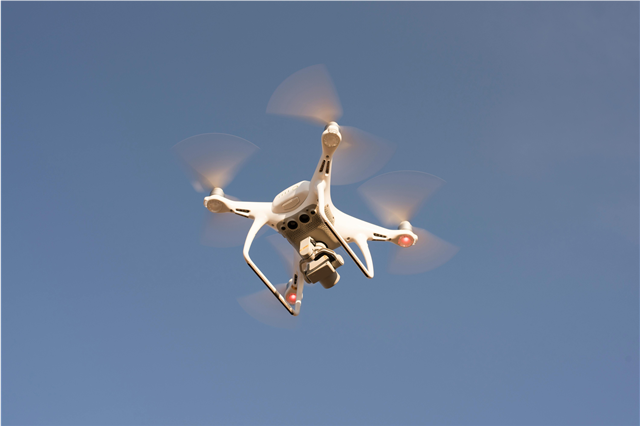
The Game-Changing Technology Behind Rescue Drones
Modern search and rescue drones aren't just flying cameras—they're sophisticated flying computers equipped with thermal imaging, GPS tracking, and artificial intelligence capabilities. These aerial heroes can cover vast areas in minutes that would take ground teams hours or even days to search manually.
Fact: A single drone can survey up to 50 square kilometers in a single flight, while a human ground team might cover just 2-3 square kilometers in the same timeframe.
7 Revolutionary Applications of UAVs in Missing Person Searches
1. Thermal Imaging: Seeing Through Darkness and Debris
Drones equipped with thermal cameras can detect human body heat signatures from hundreds of feet away, making them invaluable for nighttime searches and finding people buried under rubble. This technology works equally well in complete darkness or dense fog where traditional search methods fail.
Amazing Statistic: Thermal-equipped drones have successfully located missing persons in temperatures as low as -20°F, where hypothermia victims might be impossible to spot visually.
2. Rapid Area Coverage: Minutes Instead of Hours
Time is literally life in search and rescue operations. While a person can survive only 3 hours without shelter in harsh conditions (one of the "Rule of Threes"), traditional ground searches could take many hours to cover large areas. Drones can blanket-search massive areas quickly, identifying potential locations for ground teams to investigate.
Pro Tip: Search teams often deploy multiple drones simultaneously to cover maximum ground in minimal time.
3. Accessing Impossible Terrain
Missing persons are often found in areas that are dangerous or impossible for human rescuers to reach: steep cliffs, fast-moving rivers, dense wilderness, or unstable structures. Drones can easily navigate these hazardous environments without putting rescue personnel at risk.
Did You Know? In mountain rescue operations, drones have located missing hikers in areas so treacherous that sending human teams would have been too dangerous.
4. Real-Time Communication Relay
Modern search drones can act as flying communication towers, relaying radio signals between rescue teams and even establishing contact with missing persons who have cell phones or emergency radios.
5. Live Mapping and GPS Tracking
Advanced drones create real-time 3D maps of search areas, helping coordinate rescue efforts and ensuring no area is missed. GPS coordinates of potential findings are instantly transmitted to ground teams.
6. Carrying Essential Supplies
Larger rescue drones can deliver life-saving supplies to missing persons before human rescue teams arrive: water, medical supplies, emergency blankets, and even GPS-enabled communication devices to help locate the person's exact position.
7. Chemical and Gas Detection
Specialized drones equipped with chemical sensors can detect human scent particles or other biological markers, helping track missing persons even when visual confirmation isn't possible due to terrain or weather conditions.
Real-World Success Stories
The Missing Hiker Rescue
In 2023, a hiker went missing in the Pacific Northwest during a blizzard. Within 30 minutes of deploying a thermal imaging drone, rescue teams had pinpointed the hiker's location 2 miles into difficult terrain. The person was rescued within 2 hours, suffering only from mild hypothermia.
Urban Disaster Response
After a devastating earthquake in Turkey, drones equipped with thermal cameras located over 200 survivors trapped in collapsed buildings within the first 48 hours—many of whom would have died without immediate rescue.
Incredible Statistic: Studies show that using drones in search and rescue operations increases success rates by up to 85% compared to traditional methods alone.
The Technology Behind the Success
Modern search and rescue drones utilize several key technologies:
- AI-Powered Image Recognition: Automatically identifies human shapes and movements
- Long-Range Communication Systems: Operate up to 10 kilometers from operators
- Extended Flight Times: Modern battery technology allows 30-60 minute search missions
- Weather Resistance: Many models operate in rain, snow, and winds up to 35 mph
The Future of Drone Rescue Technology
Emerging technologies promise even greater capabilities:
- Swarm Intelligence: Multiple drones working in coordination
- Advanced AI: Drones that can make basic decisions independently
- Longer Flight Times: Solar-powered drones for extended searches
- Enhanced Sensors: Detection capabilities for specific scenarios
Why Drones Make All the Difference
The numbers speak volumes about the impact of drone technology in search and rescue:
- Response Time Reduced: Average search time decreased by 70%
- Cost Efficiency: Drone searches cost 1/10th of helicopter searches
- Safety Improvement: Minimal risk to rescue personnel
- Accessibility: Can reach 100% of search areas without physical danger
Getting Involved in Drone-Assisted Rescue
Many local search and rescue organizations are actively seeking drone operators with proper training. Most areas require operators to have:
- FAA Part 107 certification (in the US)
- Specific training in search and rescue protocols
- Insurance coverage for public safety operations
- Regular equipment maintenance and calibration
The Bottom Line
Drones have fundamentally changed search and rescue operations, making them faster, safer, and more effective than ever before. As technology continues to advance, these aerial assistants will only become more sophisticated in their life-saving capabilities.
Final Thought: In an era where technology often feels disconnected from human needs, search and rescue drones prove that innovation can directly save lives, bring families together, and make our world a safer place for everyone.
Whether you're considering a career in emergency services, interested in drone technology, or simply amazed by how innovation solves real-world problems, the story of UAVs in search and rescue is one of human ingenuity meeting human compassion at exactly the right moment.
Ready to dive deeper into drone technology or emergency services? Consider exploring local search and rescue volunteer opportunities or investigating drone certification programs in your area.


