
How do CCTV cameras help in monitoring construction sites
Construction site monitoring has evolved dramatically with the integration of CCTV technology. Here's how these surveillance systems are revolutionizing the construction industry.
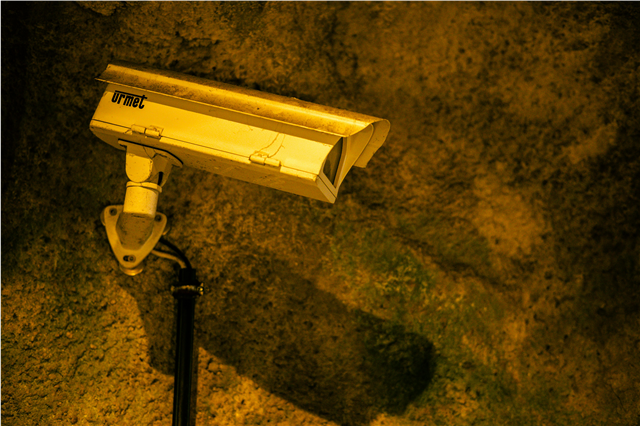
The construction industry generates over $10 trillion in revenue globally each year, making security and monitoring more critical than ever. With theft costs reaching up to $1.5 million per incident on major construction sites, CCTV cameras have become indispensable tools for modern construction management.
1. Preventing Theft and Vandalism: The $1 Billion Problem
Construction materials theft costs the industry approximately 1% of total project costs annually - that's roughly $1 billion in losses across major projects. CCTV cameras serve as both deterrents and evidence collectors, with studies showing that sites with proper surveillance experience 75% fewer theft incidents.
Interesting Fact: A single stolen copper wire theft can cost up to $50,000 in materials and project delays, making cameras an excellent investment.
2. Real-Time Remote Monitoring: Managing Multiple Sites
Modern construction companies often manage 5-10 projects simultaneously across different locations. IP-based CCTV systems allow managers to monitor all sites through smartphone apps, providing 24/7 visibility without physical site visits.
Pro Tip: Advanced systems offer panoramic 360-degree views, covering entire construction zones with just one camera.
3. Enhancing Worker Safety and Compliance
The construction industry accounts for 20% of workplace fatalities across all industries. CCTV cameras help ensure workers follow safety protocols by monitoring:
- Proper equipment usage
- Hard hat compliance
- Restricted area access
- Emergency response procedures
Amazing Stat: Sites with comprehensive surveillance report 40% fewer safety incidents and improved OSHA compliance scores.
4. Progress Documentation and Time-Lapse Creation
Professional construction time-lapse videos can increase project marketing value by 300-500%. CCTV systems automatically capture daily progress, creating detailed visual records that serve multiple purposes:
- Client presentations and updates
- Marketing materials for future projects
- Project milestone documentation
- Quality control verification
5. Quality Control and Defect Prevention
Construction defects cost the industry $130 billion annually in repairs and legal issues. Continuous monitoring helps identify potential problems before they escalate, including:
- Improper concrete pouring techniques
- Structural alignment issues
- Material handling problems
- Equipment malfunction detection
Industry Insight: Early detection through surveillance can reduce rework costs by up to 60%.
6. Legal Protection and Insurance Benefits
Construction litigation averages $150,000 per case, with many disputes involving worker accidents or material theft. CCTV footage provides:
- Legal evidence for incident investigations
- Insurance claim documentation
- Liability protection for contractors
- Witness testimony when human memory fails
Quick Fact: Insurance companies often offer 10-15% premium discounts for construction sites with comprehensive surveillance systems.
7. Operational Efficiency and Productivity Monitoring
Construction productivity lags at just 60% efficiency industry-wide, meaning 40% of work time is unproductive. CCTV systems help project managers:
- Analyze workforce patterns
- Identify workflow bottlenecks
- Optimize equipment usage
- Track milestone completion rates
Advanced Features Transforming Construction Surveillance
AI-Powered Analytics
Modern CCTV systems use artificial intelligence to:
- Detect safety violations automatically
- Count workers and track attendance
- Monitor equipment usage patterns
- Predict potential security threats
Weather-Resistant Technology
Specialized construction cameras operate in:
- -20°F to 140°F temperature ranges
- High dust and moisture conditions
- Direct sunlight and complete darkness
- Vibration and impact environments
Integration Capabilities
Advanced systems connect with:
- Project management software
- Time and attendance systems
- Alarm networks
- Mobile communication platforms
Cost-Benefit Analysis: The Numbers Speak Louder
| Investment | Annual Savings |
|---|---|
| $10,000-20,000 (Average CCTV Setup) | $50,000+ (Theft Prevention) |
| $25,000 (Insurance Reductions) | |
| $75,000 (Productivity Gains) | |
| $150,000 (Legal/Rework Savings) |
ROI: Most construction companies see 300-500% return on their surveillance investment within the first year.
Best Practices for Construction Site Surveillance
- Strategic Camera Placement - Cover entry points, material storage, and high-risk areas
- Night Vision Capabilities - Ensure 24/7 monitoring effectiveness
- Mobile Access - Enable remote viewing for project managers
- Cloud Storage - Protect footage from on-site equipment theft
- Regular Maintenance - Clean lenses and check connections weekly
The Future of Construction Monitoring
Emerging technologies include:
- Drone integration with ground-based cameras
- Thermal imaging for electrical safety
- Facial recognition for access control
- 4K resolution for detailed analysis
Conclusion
CCTV cameras have transformed from simple security tools to comprehensive construction management solutions. With theft prevention alone saving potentially hundreds of thousands of dollars per project, and safety improvements reducing liability risks exponentially, surveillance systems represent one of the smartest investments in modern construction.
The integration of artificial intelligence, remote monitoring capabilities, and detailed analytics means that construction companies using CCTV technology aren't just watching their sites—they're actively managing and optimizing their entire operations.
Ready to enhance your construction site security? Start with a basic 4-camera system and expand based on your project needs. The investment pays for itself within months while providing long-term operational benefits.


