
How do CCTV cameras help in monitoring traffic
Traffic congestion costs the average American driver 54 hours per year stuck in gridlock. But what if we told you that the solution to smoother roads might be watching us all the time? Modern CCTV cameras have transformed from simple security tools into sophisticated traffic management systems that are reshaping how we navigate our cities.
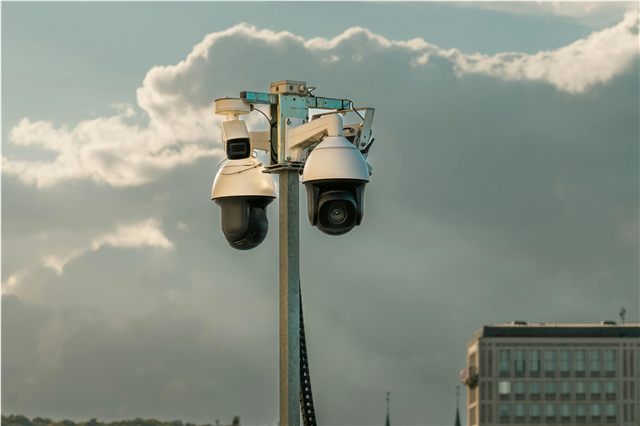
The Evolution from Security Eyes to Traffic Intelligence
Originally designed for security purposes, CCTV cameras have undergone a remarkable transformation. Today's smart traffic cameras are equipped with advanced analytics, artificial intelligence, and real-time data processing capabilities that make them incredibly effective traffic management tools.
10 Eye-Opening Facts About CCTV Traffic Monitoring
1. Real-Time Traffic Flow Analysis at Your Fingertips
Modern traffic CCTV systems can process and analyze traffic patterns in real-time, providing city planners with instant data about congestion points, peak traffic hours, and optimal routing suggestions. This information helps reduce average commute times by up to 15% in cities with comprehensive CCTV networks.
2. License Plate Recognition: The Silent Traffic Manager
Advanced CCTV systems equipped with Automatic Number Plate Recognition (ANPR) technology can identify vehicles in milliseconds. Beyond security applications, this technology helps track traffic volume, monitor speed compliance, and even assist in managing congestion pricing zones in major cities.
3. AI-Powered Incident Detection
Today's smart CCTV cameras can automatically detect traffic incidents like accidents, stalled vehicles, or debris on roads within seconds of occurrence. Studies show that AI-powered systems can identify incidents 300% faster than human operators, reducing response times dramatically.
4. Weather-Adaptive Traffic Management
Modern CCTV systems integrate weather data to adjust traffic light timing and provide real-time driver advisories. During rain or fog conditions, cameras can trigger automatic speed limit reductions and increase yellow light duration by up to 40% for enhanced safety.
5. Pedestrian Safety Through Smart Detection
CCTV cameras now feature pedestrian detection algorithms that can identify jaywalking, monitor crosswalk usage, and automatically extend crossing times when large groups are detected. This technology has contributed to a 23% reduction in pedestrian accidents in cities like Singapore and Barcelona.
6. Data Collection for Urban Planning
Every day, traffic CCTV systems collect millions of data points about vehicle types, traffic patterns, and peak usage times. This treasure trove of information helps city planners design better infrastructure and make informed decisions about road expansions, public transportation routes, and commercial development zones.
7. Emergency Vehicle Priority Systems
Smart CCTV networks can detect approaching emergency vehicles and automatically coordinate with traffic signals to create green corridors. This technology can reduce emergency response times by up to 2 minutes – potentially saving lives in critical situations.
8. Environmental Impact Monitoring
Modern traffic cameras can measure vehicle emissions plumes and correlate this data with traffic density. This information helps cities identify high-pollution corridors and implement targeted measures like low-emission zones or improved public transit routes.
9. Parking Space Optimization
CCTV systems equipped with smart analytics can monitor parking space availability in real-time, directing drivers to open spots and reducing the time spent circling city blocks. This technology has been shown to reduce urban traffic by up to 30% in areas where implemented.
10. Integration with Smart City Ecosystems
Today's traffic CCTV cameras don't work in isolation. They integrate with public transit systems, weather monitoring networks, and even social media feeds to provide comprehensive urban mobility solutions. Cities like Amsterdam and Copenhagen have seen 40% improvements in overall traffic efficiency through these integrated systems.
The Technology Behind Modern Traffic Monitoring
High-Definition Imaging and Analytics
Modern traffic CCTV cameras utilize 4K Ultra HD resolution combined with infrared capabilities for 24/7 monitoring. These systems process over 100 million pixels per second, enabling them to capture detailed traffic data even in challenging conditions.
Cloud-Based Data Processing
Rather than relying on local storage, modern systems upload data to cloud platforms where machine learning algorithms continuously refine their understanding of traffic patterns. This approach allows for predictive analytics that can anticipate congestion before it occurs.
Mobile Integration and Real-Time Updates
CCTV traffic data now feeds directly into navigation apps, providing drivers with real-time route optimization and accurate ETAs. This integration has revolutionized how people navigate urban environments.
The Future of CCTV Traffic Monitoring
Emerging technologies like 5G connectivity, edge computing, and advanced AI algorithms promise to make traffic monitoring even more sophisticated. Future systems will likely incorporate drone integration, vehicle-to-infrastructure communication, and predictive modeling that could virtually eliminate unpredictable traffic jams.
Conclusion: Watching for a Better Future
CCTV cameras have evolved far beyond their security roots to become integral components of smart city infrastructure. By providing real-time traffic monitoring, predictive analytics, and emergency response capabilities, these systems are making our roads safer, commutes shorter, and cities more livable.
As urban populations continue to grow, the intelligence gathered by traffic CCTV systems will become increasingly valuable. The next time you're stuck in traffic, remember that somewhere, a smart camera system is working to get you moving again – and planning for a smoother journey next time.
Ready to transform traffic management in your city? Contact a traffic monitoring solutions provider today to learn how modern CCTV systems can reduce congestion and improve safety on your roads.


