
How do CCTV cameras work for monitoring public spaces
CCTV (Closed-Circuit Television) cameras have become ubiquitous in our daily lives, silently watching over public spaces from city streets to shopping malls. But how exactly do these electronic eyes work, and what makes them so effective at monitoring public areas? Here are 15 compelling facts that reveal the fascinating world of public space surveillance technology.
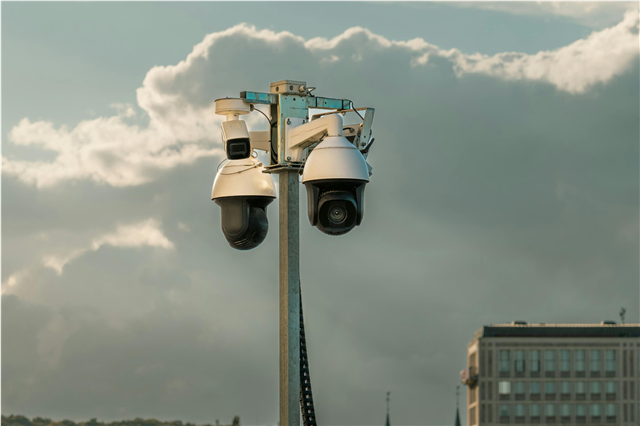
1. CCTV Uses a Closed Loop System
Unlike broadcast television, CCTV cameras transmit signals to a specific, limited set of monitors or recording devices. This closed-loop system means footage is only accessible to authorized personnel, creating a secure monitoring environment for public safety officials.
2. Modern CCTV Cameras Can See in Complete Darkness
Advanced infrared technology enables today's CCTV systems to capture clear footage even in total darkness. Most public space cameras use infrared LEDs that illuminate areas with invisible light, allowing 24/7 monitoring regardless of lighting conditions.
3. A Single Camera Can Monitor Areas Up to 150 Feet Away
High-resolution CCTV cameras equipped with powerful zoom lenses can effectively monitor public spaces spanning up to 150 feet in diameter. This wide coverage area makes them cost-effective for large public venues like parks, parking lots, and transportation hubs.
4. IP-Based Systems Enable Remote Monitoring
Internet Protocol (IP) CCTV cameras can transmit footage over the internet, allowing law enforcement and security personnel to monitor public spaces from anywhere in the world. This technology revolutionizes how cities manage public safety infrastructure.
5. Motion Detection Technology Reduces Storage Needs
Smart CCTV systems use motion detection algorithms to record only when movement occurs in public spaces. This intelligent recording can reduce storage requirements by up to 80% compared to continuous recording, making long-term monitoring more efficient.
6. Facial Recognition Integration is Becoming Standard
Modern public space monitoring systems increasingly incorporate facial recognition technology, capable of identifying individuals in crowds with up to 99% accuracy. This technology helps law enforcement quickly identify persons of interest in real-time.
7. Weatherproof Cameras Operate in Extreme Conditions
Public space CCTV cameras are built to withstand harsh weather, operating effectively in temperatures ranging from -40°F to 140°F. Their IP66 or higher ratings ensure reliable performance in rain, snow, and dust storms.
8. Pan-Tilt-Zoom (PTZ) Cameras Offer Complete Coverage
Advanced PTZ cameras can rotate 360 degrees and zoom up to 30x optical magnification, eliminating blind spots in public areas. These cameras can automatically track moving objects or be manually controlled by security operators.
9. Cloud Storage Enables Evidence Preservation
Modern CCTV systems can automatically upload footage to secure cloud servers, ensuring evidence preservation even if physical recording devices are damaged or stolen during criminal activity in public spaces.
10. Analytics Software Can Detect Suspicious Behavior
Artificial intelligence-powered CCTV systems can recognize unusual patterns like loitering, abandoned objects, or aggressive behavior in public spaces, automatically alerting security personnel to potential threats.
11. High-Definition Cameras Capture License Plates from 100+ Feet
4K and 8K resolution CCTV cameras can clearly read license plates and facial features from distances exceeding 100 feet, making them invaluable for traffic monitoring and criminal investigations in public areas.
12. Wireless CCTV Systems Eliminate Installation Costs
Battery-powered, wireless CCTV cameras can be deployed in public spaces without expensive wiring, making temporary monitoring solutions practical for events, construction zones, or emergency response scenarios.
13. Thermal Imaging Detects Heat Signatures
Some advanced public space monitoring systems use thermal imaging technology to detect human presence through walls, in complete darkness, or during poor visibility conditions like fog or smoke.
14. Mobile Device Integration Enables Instant Alerts
Modern CCTV systems can send real-time alerts to smartphones and tablets when unusual activity is detected, allowing rapid response from security personnel and law enforcement in public spaces.
15. Data Encryption Protects Privacy and Evidence Integrity
Professional CCTV systems use advanced encryption protocols to protect footage from tampering, ensuring that evidence collected in public spaces remains admissible in court proceedings.
The Future of Public Space Monitoring
As technology continues to advance, CCTV systems are becoming more intelligent, efficient, and effective at maintaining public safety. From autonomous threat detection to seamless integration with smart city infrastructure, the evolution of surveillance technology promises to make our public spaces safer while respecting privacy concerns.
Understanding how CCTV cameras work isn't just about technical specifications—it's about appreciating how modern technology helps create safer communities, assists law enforcement, and protects public assets. As these systems become more sophisticated, they'll continue playing a crucial role in urban security strategies worldwide.
Whether you're a city planner, security professional, or simply a curious citizen, knowing how CCTV technology works helps you better understand the balance between public safety and privacy in our increasingly connected world.


