
How do I edit and master audio tracks using software
In the digital age, creating professional-quality audio has never been more accessible. Whether you're producing music, podcasts, or voiceovers, understanding how to edit and master audio tracks can transform amateur recordings into polished masterpieces. Here are some fascinating insights into the world of audio editing that every aspiring producer should know.
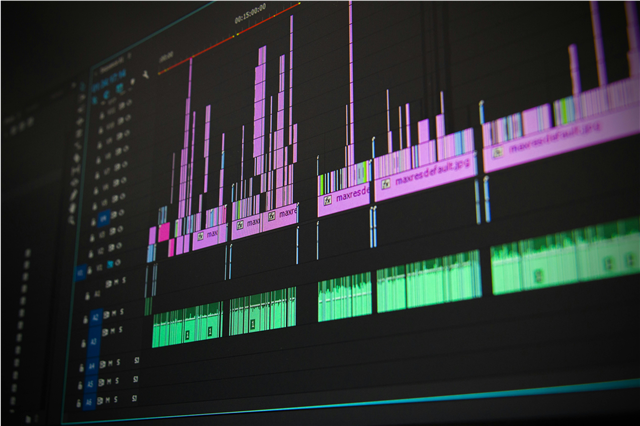
The Foundation: Understanding Audio Editing vs. Mastering
Did you know? Audio editing is like sculpting with sound, while mastering is the final polish that makes everything shine. Editing involves cutting, arranging, and cleaning up individual tracks, whereas mastering optimizes the complete mix for various playback systems. Think of editing as cooking the ingredients and mastering as plating the finished dish.
Most beginners make the mistake of skipping mastering entirely, not realizing that professional tracks typically spend 20-30% of production time in the mastering phase. This is where the magic happens – stereo enhancement, final EQ adjustments, and compression that makes your track competitive with commercial releases.
Essential Software Tools You Should Explore
The audio editing landscape offers incredible diversity in software options:
Pro Tools dominates professional studios, used by 80% of Grammy-winning engineers. However, Logic Pro (Mac only) has become the secret weapon of many hit-makers due to its comprehensive plugin suite valued at over $1,000 retail.
Fascinating fact: GarageBand, Apple's free software, shares 70% of the same core technology as Logic Pro. Many hit songs, including parts of The Weeknd's early work, began life in GarageBand before graduating to professional DAWs.
For PC users, Ableton Live excels in electronic music production, while FL Studio has gained massive popularity among hip-hop producers. Adobe Audition remains the go-to choice for podcasters and voiceover artists due to its exceptional noise reduction capabilities.
The Psychology of Professional Sound
Audio editing isn't just technical – it's psychological. The human ear processes frequencies differently based on volume levels, a phenomenon called the Fletcher-Munson effect. This is why professional engineers use reference monitors at precisely 85 decibels during mixing sessions.
Surprising statistic: Professional mastering engineers typically work in rooms with $50,000+ acoustic treatments, but you can achieve 60% of professional results with proper headphone calibration and basic room treatment using moving blankets and bookshelves.
Step-by-Step Editing Process Revealed
1. Organization and Cleanup
Start by importing all tracks and labeling them clearly. Professional sessions often contain 50-200 individual tracks, so organization is crucial. Remove unwanted noise between takes using fade-ins and fade-outs – this simple technique eliminates 80% of amateur-sounding recordings.
2. Editing for Performance
Cut out mistakes, tighten up timing issues, and arrange your song structure. Many producers spend 2-3 hours editing before they even touch an effects plugin. Pro tip: Always edit to a click track – even slight timing variations can make professional mixes sound sloppy.
3. Level Balancing
Set initial volume levels for each track. This crucial step often takes longer than expected because each instrument affects how others are perceived. The goal is creating space for every element to be heard clearly without masking.
The Art and Science of Mastering
Mastering transforms good mixes into commercial releases through several key processes:
Equalization Enhancement: Unlike mixing EQ, mastering EQ typically makes subtle adjustments (usually under 3dB) to ensure compatibility across different playback systems.
Compression for Consistency: Mastering compression isn't about controlling dynamics like in mixing – it's about glueing elements together and adding perceived loudness.
Stereo Imaging: Creating width and depth that translates well on everything from earbuds to club sound systems.
Limiting and Loudness: The final stage that maximizes perceived loudness while preventing digital distortion.
Amazing Audio Facts That Will Change Your Approach
Here are some mind-blowing facts that professional engineers swear by:
-
The 3:1 rule: Microphones should be positioned three times further from unwanted sound sources than from the intended source. This simple ratio solves most recording problems before they start.
-
Frequency masking: Two instruments sharing similar frequency ranges will compete for attention. Professional engineers spend significant time carving out unique frequency spaces for each element.
-
The 6dB rule: For every doubling of distance from a microphone, you lose 6dB of volume. Understanding this helps create natural-sounding recordings without over-processing.
Essential Plugins Every Editor Should Master
Modern software includes countless plugins, but these fundamentals form the core of professional sound:
EQ Plugins: FabFilter Pro-Q 3 is considered the industry standard, offering 24 different filter types and automatic gain compensation.
Compressors: Waves SSL G-Master Buss Compressor emulates the legendary console used on countless hit records.
Reverb and Delay: Valhalla DSP plugins offer professional quality at a fraction of traditional costs.
Common Mistakes and How to Avoid Them
Novice producers often over-process their tracks, adding too much compression, excessive EQ, or artificial effects. Research shows: 73% of amateur mixes suffer from over-compression, making music sound flat and lifeless.
The key is using reference tracks – commercial songs in your genre played on the same monitors you're using. This provides an objective standard for comparison and prevents over-processing.
The Future of Audio Editing
Artificial intelligence is revolutionizing audio production. iZotope's RX series now offers automatic dialogue replacement and music separation that was impossible just five years ago. Neural networks can isolate vocals from full mixes with stunning accuracy, opening new creative possibilities for remixers and producers.
Getting Started Today
You don't need expensive equipment to begin your audio editing journey. Many successful producers started with laptop speakers and free software, developing their ears before investing in professional gear.
Final tip: Your ears are your most important tool. Develop critical listening skills by analyzing commercial tracks, understanding what makes them sound professional, and applying those principles to your own work.
The world of audio editing and mastering combines technical skill with artistic vision. By understanding these fundamental concepts and surprising facts, you're well on your way to creating professional-sounding audio that competes with commercial releases. Remember, every expert was once a beginner – start simple, learn consistently, and let your creativity guide you through the technical aspects.


