
How do I find spare parts for vintage cars
Vintage cars aren't just machines – they're rolling pieces of history. But when these automotive treasures need repairs, finding the right parts can feel like hunting for buried treasure. Whether you're restoring a 1967 Mustang or keeping a 1973 Volkswagen Beetle running, sourcing vintage car parts requires strategy, patience, and a bit of detective work.
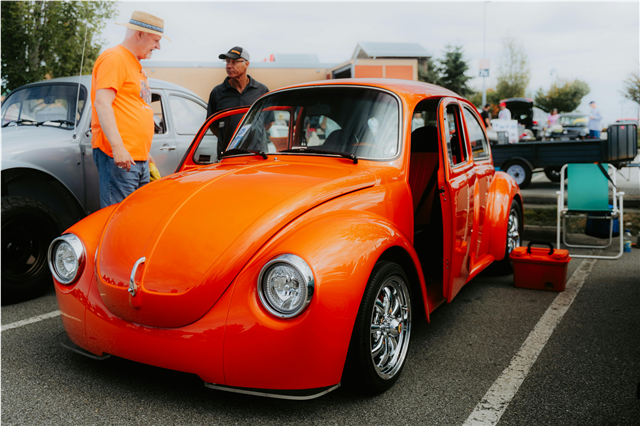
The Hidden World of Vintage Car Parts
Here's a fascinating fact that illustrates the scope of the challenge: Automakers typically only manufacture original equipment manufacturer (OEM) parts for 7-10 years after a vehicle's production ends. For cars that are now 30, 40, or 50 years old, this means replacement parts are often no longer available through traditional dealer channels.
Start with the Basics: Know Your Car Inside and Out
Before diving into the parts hunt, arm yourself with crucial information:
- Complete VIN number (Vehicle Identification Number)
- Exact year, make, model, and trim level
- Engine specifications and transmission type
- Original factory options and unique features
Fun fact: The VIN system wasn't standardized until 1981. Pre-1981 vehicles often have VINs that vary significantly between manufacturers, making identification more challenging but also more interesting for vintage car enthusiasts.
The Treasure Hunt: Where to Find Vintage Car Parts
1. Specialty Parts Suppliers and Restoration Houses
These businesses specialize exclusively in vintage automotive parts and often maintain extensive inventories or custom manufacturing capabilities. Many have been serving the vintage car community for decades.
Pro tip: The best suppliers often act as detectives themselves, networking with other collectors and specialists worldwide to locate rare components.
2. Online Marketplaces and Forums
Today's vintage car community thrives online:
- Classic car forums (like Clubwrx, Pelican Parts, or specific marque clubs)
- eBay Motors and similar auction sites
- Facebook marketplace groups dedicated to specific vehicles
- Specialty listing sites like Hemmings or Classic Trader
Interesting fact: The first online vintage car parts transaction reportedly took place in 1995, revolutionizing how enthusiasts connect with hard-to-find components.
3. Car Shows and Swap Meets
These events are goldmines for vintage parts:
- Local car club meetings often feature swap meets
- Major concours events like Pebble Beach include extensive vendor areas
- Regional cruise nights frequently have parts vendors
- Drag strip events often feature swap meets
Many experienced restorers consider these gatherings invaluable networking opportunities where rarities often surface.
4. The Junkyard Strategy
Don't overlook salvage yards:
- Specialty vintage car salvage yards exist nationwide
- Online salvage directories help locate specific vehicles
- Self-service yards allow you to extract parts personally
- International sourcing from countries where vintage cars are more common
Amazing statistic: Parts from salvage can cost 30-70% less than new-old-stock alternatives.
The Art of Substitution: When Exact Parts Aren't Available
Sometimes you'll need to get creative:
Universal and Aftermarket Solutions
- Aftermarket reproductions are now available for many popular vintage components
- Universal parts can often substitute for original items
- Modern equivalents may work functionally even if they don't match aesthetically
Reconstruction and Reproduction
Many parts are now reproduced by specialized companies:
- Chrome bumpers and trim can be rechromed or reproduced
- Interior components like dashboards are often reproduced
- Engine parts have extensive aftermarket support
- Electrical components can frequently be modernized
Documentation is Your Secret Weapon
Maintain detailed records:
- Original factory literature and parts manuals
- Service bulletins and technical updates
- Restoration guides specific to your vehicle
- Parts interchange guides showing compatible components
Vintage car fact: Many parts catalogs from the 1960s and 1970s are now considered collector items themselves, with some selling for hundreds of dollars due to their practical value.
Budgeting for the Unexpected
Vintage car parts sourcing often involves surprises:
- Core charges when returning old parts for rebuilding
- Shipping costs that can exceed part value
- Professional installation requirements
- Hidden compatibility issues
Smart vintage car owners budget 20-30% extra for unexpected discoveries and complications.
The International Connection
Don't limit your search to domestic sources:
- European suppliers often have different inventory
- Japanese importers may carry unique solutions
- Australian and New Zealand markets offer different model variations
- Internet globalization makes international sourcing easier than ever
Technology Advancements in Vintage Parts Sourcing
Modern tools make vintage parts hunting easier:
- Digital catalogs searchable by VIN or part number
- 3D scanning for custom manufacturing
- Social media groups connecting enthusiasts worldwide
- Mobile apps for parts identification and vendor location
Long-term Parts Strategy
Serious vintage car owners develop proactive strategies:
- Parts inventory building during favorable market conditions
- Networking with other collectors who might have needed components
- Relationship building with trusted suppliers and specialists
- Documentation preservation to aid future owners
The Community Aspect
Vintage car parts sourcing often comes down to relationships:
- Specialist knowledge passed down through generations of enthusiasts
- Mentor relationships with experienced restorers
- Club memberships providing access to group purchasing
- Word-of-mouth recommendations leading to quality suppliers
Fun fact: Many vintage car parts specialists started as enthusiasts themselves, learning through hands-on experience and community sharing.
Conclusion: The Journey Never Ends
Finding vintage car parts is never just about replacing components – it's about preserving automotive heritage and ensuring these mechanical masterpieces continue to delight future generations. Each part tells a story, and each successful repair is a victory for automotive preservation.
Remember: The most successful vintage car parts hunters combine patience, persistence, and passion. They understand that finding that perfect 1969 Camaro RS taillight or that elusive 1970 Challenger hood isn't just about the part – it's about keeping automotive history alive, one component at a time.
Whether you're a seasoned restorer or new vintage car owner, remember that every parts hunt is an adventure, every success story worth sharing, and every connection made in the vintage car community invaluable. The treasure hunt for vintage car parts isn't just about keeping cars running – it's about keeping automotive culture alive.
Author's Note: This guide is intended for educational purposes. Always verify part compatibility and consult professional technicians when working with vintage automotive systems.


