
How do industrial automation systems integrate with robotics in manufacturing?
In the modern manufacturing landscape, the marriage between industrial automation systems and robotics has revolutionized production floors worldwide. But how exactly do these sophisticated technologies work together to create the smart factories of tomorrow?
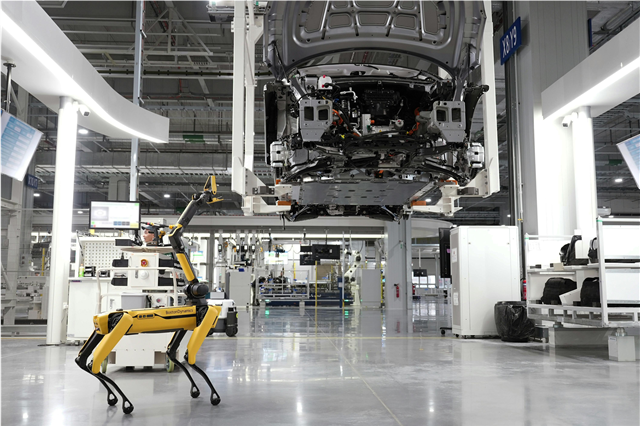
The Digital Nervous System: Connecting Robots and Automation
Fact: Over 70% of the world's industrial robots are now integrated with advanced automation systems, creating seamless manufacturing ecosystems that operate 24/7 with minimal human intervention.
Industrial automation systems serve as the "brain" while robots act as the "hands" in manufacturing environments. These systems communicate through Industrial Internet of Things (IIoT) protocols, allowing robots to receive real-time instructions, adjust their operations based on sensor data, and coordinate with other machines across the production line.
Key Integration Technologies Transforming Manufacturing
Programmable Logic Controllers (PLCs) - The Traffic Directors
PLCs serve as the primary communication hub between automation systems and robots. These specialized computers process inputs from sensors, make decisions based on programmed logic, and send commands to robotic systems within milliseconds.
Amazing Fact: Modern PLCs can process over 1,000 operations per second, enabling robots to perform complex assembly tasks with precision measured in micrometers.
Supervisory Control and Data Acquisition (SCADA) Systems
SCADA systems provide the high-level oversight that allows human operators to monitor and control entire robotic networks. These systems collect data from hundreds of robots simultaneously and display comprehensive dashboards showing production metrics, efficiency rates, and maintenance schedules.
Machine Vision Integration
Today's industrial robots are equipped with sophisticated camera systems that can identify defects, sort products, and guide precision movements. These vision systems integrate directly with automation software to make real-time quality control decisions.
Incredible Statistic: Machine vision-guided robots can inspect over 1,200 products per minute with 99.9% accuracy - far surpassing human inspection capabilities.
Real-World Applications That Showcase Integration Excellence
Automotive Manufacturing Revolution
Modern automotive plants showcase the pinnacle of automation-robotics integration. From spot-welding robots communicating with conveyor systems to painting robots that automatically adjust spray patterns based on vehicle models, these facilities demonstrate seamless coordination.
Did You Know? Tesla's Gigafactory employs over 1,000 robots working in perfect synchronization with automated material handling systems, reducing production time by 30% compared to traditional assembly lines.
Pharmaceutical Precision Automation
In pharmaceutical manufacturing, robots integrated with automation systems handle everything from pill sorting to packaging with sterile precision. These systems maintain strict quality control while ensuring compliance with regulatory standards.
Food and Beverage Smart Factories
Robotic systems equipped with automation integration can handle delicate food products, adjust processing parameters based on real-time quality data, and optimize packaging efficiency while maintaining food safety standards.
Communication Protocols: The Language of Machines
Industry 4.0 Fact: The most common communication protocols include:
- Ethernet/IP: Used by 60% of industrial automation systems
- PROFINET: Handles real-time communication for critical robotic applications
- Modbus: Simple yet effective protocol for basic automation tasks
- OPC UA: Enables secure, cross-platform communication between diverse systems
These protocols allow robots from different manufacturers to communicate seamlessly within the same automated production environment, creating unprecedented flexibility in manufacturing operations.
Benefits That Drive Industry Adoption
Enhanced Productivity and Efficiency
Integrated systems can operate continuously without breaks, with robots performing precise, repetitive tasks while automation systems optimize workflow and resource allocation.
Productivity Boost: Companies implementing integrated automation-robotic systems typically see 25-40% increases in production output within the first year.
Predictive Maintenance Intelligence
Modern integration includes sophisticated sensors that monitor robot performance in real-time, predicting maintenance needs before breakdowns occur.
Cost-Saving Impact: Predictive maintenance can reduce maintenance costs by up to 30% and decrease downtime by 45%.
Quality Control Improvement
Automated quality inspection systems using robotic integration achieve consistency impossible to maintain manually, reducing defect rates to below 1%.
Challenges in Integration and How They're Being Solved
Cybersecurity Concerns
As systems become more connected, cybersecurity threats increase. Modern integration approaches include:
- Multi-layered security protocols
- Real-time threat monitoring systems
- Secure cloud-based management platforms
Compatibility Issues
Different manufacturers' equipment often speaks different "languages." Industry standards organizations are developing universal protocols to ensure seamless communication.
Initial Investment Costs
While substantial, these costs are typically recovered within 2-3 years through improved efficiency and reduced labor costs.
The Future of Integration: What's Coming Next?
Emerging Technology Fact: Artificial Intelligence integration will enable robots to learn and adapt their operations automatically, while quantum computing could revolutionize the speed of automated decision-making processes.
Edge Computing Integration
Future systems will process data closer to manufacturing floors, reducing latency and enabling even faster robot response times.
Collaborative Robots (Cobots) Expansion
New generations of collaborative robots will work alongside humans with enhanced safety features and intuitive integration capabilities.
Digital Twin Technology
Virtual replicas of physical manufacturing systems will allow for testing and optimization before implementation, reducing integration risks and costs.
Conclusion: The Integrated Manufacturing Revolution
The integration of industrial automation systems with robotics represents one of manufacturing's most significant advances. As these technologies continue to evolve and work more closely together, they're creating smarter, more efficient, and more adaptable manufacturing environments.
From the automotive plants of Detroit to the electronics facilities of Shenzhen, integrated automation-robotic systems are proving that the future of manufacturing isn't just automated—it's intelligent, responsive, and remarkably efficient.
Pro Tip for Industry Professionals: Understanding how these systems integrate isn't just valuable knowledge—it's becoming essential for career advancement in manufacturing industries embracing Industry 4.0 principles.
The question isn't whether your manufacturing facility will integrate automation with robotics, but rather how quickly you can adapt to remain competitive in this automated manufacturing revolution.
Ready to implement these integration strategies in your facility? The key lies in understanding how these sophisticated systems learn to work together like a well-choreographed dance of precision and efficiency.


