
How do luxury cars integrate cutting-edge infotainment systems?
Luxury vehicles today are essentially smartphones on wheels, featuring infotainment systems that would have seemed like science fiction just a decade ago. From voice-activated assistants to over-the-air updates, these technological marvels are redefining what it means to drive in style. Here are 15 fascinating facts about how luxury cars are integrating cutting-edge infotainment systems.
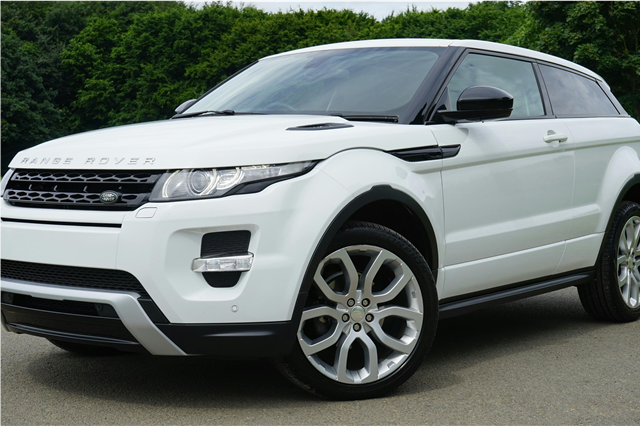
1. Tesla Pioneered the Giant Touchscreen Revolution
Tesla's 17-inch central touchscreen, introduced in 2012, completely changed the game. This single-piece display controls everything from climate to entertainment, proving that less can be more. The interface design was inspired by iPad simplicity, making complex car functions intuitive for users.
2. BMW's Gesture Control Actually Works
BMW's 5 Series features gesture control that recognizes specific hand movements. Wave your finger in a circle to adjust volume, or point and swipe to mute calls. The system uses a small camera and ultrasonic sensors to detect movements within 6 inches of the center console.
3. Mercedes-Benz Uses Real Glass for Holographic Displays
The Mercedes-Benz Hyperscreen uses actual glass with a 3D effect rather than traditional LCD screens. This OLED display spans the entire dashboard and responds to touch anywhere on its surface. The system learns user preferences and adapts the interface accordingly.
4. Audi's Virtual Cockpit Has 12.3-Inch HD Resolution
Audi's Virtual Cockpit features a 12.3-inch HD display with 1920x720 resolution – sharper than most smartphones. The system can display three different views simultaneously and processes graphics using Nvidia's Tegra chip, the same technology used in gaming consoles.
5. Voice Recognition Works Better Than Your Home Assistant
Modern luxury car voice systems achieve 95% accuracy in noisy environments, outperforming home smart speakers. Systems like BMW's Intelligent Personal Assistant can understand natural language and execute complex multi-step commands like "I'm cold and hungry" – automatically adjusting temperature and suggesting nearby restaurants.
6. Over-the-Air Updates Keep Cars Fresh
Tesla leads with 24/7 OTA updates that can add new features, improve performance, or fix issues remotely. In 2020, Tesla added a new feature allowing owners to honk their horn through the app – demonstrating how updates can be purely fun additions.
7. Bentley's System Has 22 Processors Working Together
The Bentley Continental GT's infotainment system uses 22 separate processors to manage everything from seat massage intensity to ambient lighting. The system contains over 1 million lines of code, more than the Space Shuttle.
8. Apple CarPlay and Android Auto Integration is Seamless
Luxury brands like Porsche and Volvo integrate both Apple CarPlay and Android Auto seamlessly into their native systems. These integrations allow smartphones to mirror their interfaces on car displays while maintaining access to premium features.
9. Augmented Reality Head-Up Displays Are Here
BMW's AR HUD projects navigation arrows onto the road ahead using advanced projection technology. The system can overlay information about 10 meters in front of the vehicle, making directions feel intuitive and natural.
10. Gaming Consoles Are Built Into Some Luxury Cars
Genesis introduced a car with a built-in Xbox controller and dedicated gaming mode. When parked, the system transforms the vehicle into a gaming console with optimized sound and display settings for console-quality gaming experiences.
11. Biometric Authentication Replaces Keys
Some luxury vehicles use fingerprint scanners, facial recognition, and even heart rate monitoring for entry and ignition. These systems can detect if the driver is stressed and automatically adjust lighting, music, and climate to create a calming environment.
12. Quantum Computing Influences User Experience
Mercedes-Benz partnered with IBM to use quantum computing principles in optimizing infotainment systems. The technology helps predict user behavior and pre-loads frequently used functions, reducing response times to milliseconds.
13. Haptic Feedback Mimics Physical Buttons
Luxury systems use advanced haptic technology to simulate button clicks, slider movements, and rotary dial sensations on touch surfaces. These systems can produce over 100 different tactile responses to enhance user interaction.
14. 5G Connectivity Enables Real-Time Features
With 5G integration, luxury cars can stream 4K content to multiple screens simultaneously while downloading updates at speeds exceeding 1GB per minute. This connectivity enables real-time traffic optimization and predictive maintenance alerts.
15. AI Personal Assistants Learn Your Habits
Advanced systems track user preferences over time, learning that you prefer certain music on Tuesday mornings or that you always call your spouse during commute. These assistants can even suggest optimal departure times based on traffic patterns and your schedule.
The Future is Already Here
Luxury car infotainment systems are pushing boundaries that will eventually trickle down to mainstream vehicles. As artificial intelligence, quantum computing, and biometric technologies continue evolving, tomorrow's luxury features become today's standard equipment.
The integration of cutting-edge technology in luxury vehicles represents more than convenience – it's about creating personalized, intuitive experiences that enhance every journey. These systems transform cars from simple transportation devices into sophisticated digital companions that understand and anticipate driver needs.
As we move toward fully autonomous driving, these infotainment systems will become even more crucial, transforming vehicle interiors into mobile entertainment and productivity centers. The luxury car segment continues leading this technological revolution, proving that the future of driving is as exciting as the journey itself.
Stay tuned for our next article exploring how artificial intelligence is revolutionizing luxury car safety systems, where we'll dive deeper into predictive technologies that are preventing accidents before they happen.


