
How does PPE ensure safety in oil and gas industries
The oil and gas industry is one of the most hazardous workplaces on Earth, with workers facing unique dangers ranging from explosive gases to extreme temperatures. But behind every safe operation lies an unsung hero: Personal Protective Equipment (PPE). Let's dive into the fascinating world of oil and gas safety gear that keeps workers alive and thriving in one of the world's most dangerous industries.
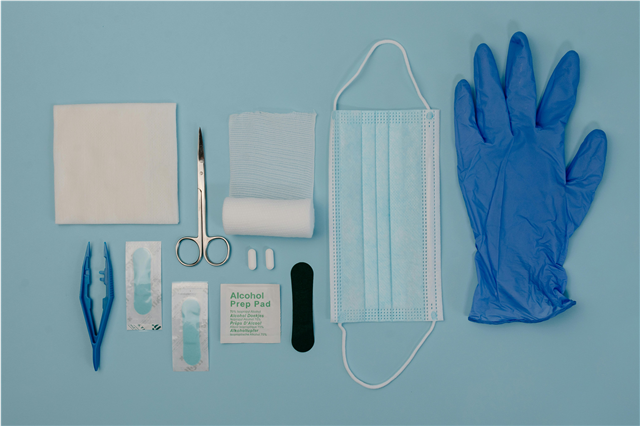
1. Fire-Resistant Clothing Can Withstand Flames for 15+ Seconds
Oil and gas workers regularly face the risk of flash fires and explosions. Modern fire-resistant (FR) clothing, made from materials like Nomex and Kevlar, can self-extinguish within 2 seconds of flame exposure and protect workers for up to 15 seconds in direct flame contact. This crucial window gives workers time to escape or take protective action during emergencies.
2. Hard Hats Are Tested to Withstand 8-Pound Objects Dropped from 8 Feet
Oil rig workers wear hard hats that undergo rigorous testing, including impacts from 8-pound steel balls dropped from 8-foot heights. These helmets can withstand forces that would otherwise cause severe head trauma. Modern designs also incorporate electrical insulation protection up to 2,200 volts, crucial when working around high-voltage equipment.
3. Chemical-Resistant Gloves Can Handle 200+ Hazardous Substances
Oil and gas workers encounter over 200 different chemicals daily, from hydrogen sulfide to benzene. Specialized chemical-resistant gloves, made from materials like nitrile, neoprene, and Viton, provide protection against these toxic substances while maintaining the dexterity needed for precise tasks. Some gloves can be submerged in harsh chemicals for weeks without degradation.
4. Safety Boots Feature Steel Toes Tested to 75 Tons
Drop accidents are common in oil fields, where heavy equipment and tools pose serious foot injury risks. Steel-toed boots worn by oil workers must withstand 75 tons of pressure – the equivalent of an elephant standing on your toe! These boots also feature puncture-resistant soles and electrical hazard protection.
5. Respiratory Protection Can Filter Particles as Small as 0.3 Microns
Oil and gas operations generate airborne contaminants including silica dust, hydrogen sulfide, and volatile organic compounds. Advanced respirators used in the industry can filter particles as small as 0.3 microns with 99.97% efficiency, protecting workers' lungs from deadly gases and particulates that could cause immediate or long-term health effects.
6. Eye Protection Blocks 99.9% of UV Radiation
Workers on offshore platforms and refineries face intense UV exposure, especially during welding operations and when handling corrosive chemicals. Safety goggles and face shields block 99.9% of UV radiation while providing impact protection against flying debris at speeds up to 150 feet per second.
7. Fall Protection Systems Can Stop Falls from 6 Feet Instantly
Working at heights is routine in oil and gas operations, with workers often operating 20-30 feet above ground level. Personal fall arrest systems can stop a worker's fall within 3.5 feet, reducing impact forces and preventing deadly injuries. These systems undergo testing to ensure they can handle forces up to 1,800 pounds.
8. Hearing Protection Reduces Noise by Up to 33 Decibels
Oil and gas equipment generates noise levels exceeding 120 decibels – louder than a jet engine! High-quality hearing protection can reduce noise exposure by up to 33 decibels, preventing permanent hearing loss that affects over 22 million U.S. workers annually in high-noise industries.
9. High-Visibility Clothing Uses Retroreflective Materials Visible up to 400 Meters Away
Oil operations continue around the clock, often in low-light conditions. High-visibility clothing uses retroreflective materials that bounce light back to its source, making workers visible up to 400 meters away to heavy machinery operators, vehicle drivers, and other personnel.
10. PPE Compliance Saves 4,500+ Lives Annually
The Bureau of Labor Statistics reports that proper PPE use prevents approximately 4,500 workplace fatalities annually in industrial sectors. In oil and gas specifically, where fatality rates are 7 times higher than other industries, PPE represents the difference between life and death for thousands of workers every year.
Beyond Protection: The Technology Revolution in Oil and Gas PPE
Modern oil and gas PPE isn't just about basic protection – it's becoming smart and connected. New safety helmets feature built-in communication systems, GPS tracking, and even fatigue monitoring sensors. Smart clothing can detect hazardous gas exposure and automatically alert supervisors, while exoskeletons reduce physical strain during heavy lifting tasks.
The Cost of Safety vs. The Cost of Accidents
While comprehensive PPE programs require significant investment, the cost pales in comparison to workplace accidents. Oil and gas industry accidents cost an average of $840,000 per incident when factoring in medical expenses, lost productivity, legal fees, and regulatory fines. Proper PPE investment delivers returns of 4:1 or higher through accident prevention.
Final Thoughts
The oil and gas industry's safety revolution has been driven largely by advanced PPE technology and strict compliance protocols. Every worker who goes home safely to their family does so because of the proper selection, use, and maintenance of personal protective equipment.
From fire-resistant clothing that buys precious seconds during emergencies to smart helmets that keep workers connected, PPE represents human ingenuity applied to one of our most challenging industries. When you next see an oil worker suited up in full PPE, remember: behind that gear is a person protected by decades of safety innovation and thousands of hours of research.
The next time you fill your gas tank or turn on your heating, remember that the safety of the people who brought you that energy starts with properly fitted, high-quality PPE. It's not just equipment – it's a lifeline that makes our energy-dependent world possible.
Protect your workforce like a pro – invest in quality PPE and comprehensive safety training. Remember: the best safety program is one where everyone goes home safely.


