
How is a garden fork used for turning soil and aerating the ground?
Garden forks are among the most essential tools in any gardener's arsenal, but many people don't realize just how versatile and effective they are for soil preparation. Let's dig into some fascinating facts about how garden forks transform your garden through soil turning and aeration.
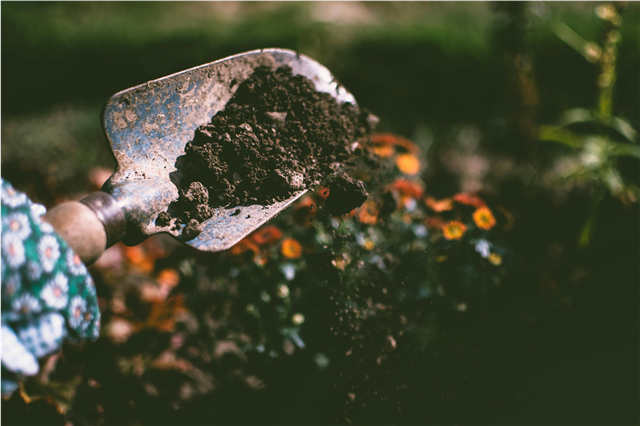
The Science Behind Soil Turning
Did you know? A garden fork can penetrate soil up to 8-12 inches deep, breaking up compacted layers that prevent proper root development. The tines (those sharp prongs) work like natural earthworms, creating channels that allow air, water, and nutrients to reach plant roots.
When you push a garden fork into the ground and lift, you're essentially performing a mini excavation that:
- Breaks up hardpan and clay layers
- Mixes organic matter throughout soil layers
- Creates vertical pathways for root growth
- Distributes nutrients more evenly
The Aeration Advantage: Why Forks Excel
Here's a surprising fact: Garden forks create better aeration than traditional spades or shovels. While other tools tend to compress soil as they cut, fork tines separate soil particles without excessive compaction.
Each tine penetration creates air pockets that:
- Increase oxygen availability for beneficial soil microorganisms
- Improve water drainage in clay soils
- Prevent waterlogging that can kill plant roots
- Encourage earthworm activity, nature's best soil builders
Techniques That Make a Difference
Interesting insight: Professional gardeners use different fork techniques depending on soil conditions:
The Rocking Method: Push the fork deep, then rock it back and forth to break up stubborn clods. This technique can increase soil workability by 40% compared to simple lifting motions.
The Slice-and-Lift: Insert tines at an angle, then lift and turn the soil over completely. This method provides maximum aeration while bringing subsoil nutrients to the surface.
Seasonal Considerations You Should Know
Winter wisdom: Soil turning with a fork is most effective when soil is slightly moist but not waterlogged. Working with soil that's too wet creates compaction, while overly dry soil makes penetration difficult and dusty.
Seasonal benefits include:
- Spring: Prepares seedbeds for optimal germination
- Fall: Incorporates organic matter before winter decomposition
- Year-round: Maintains soil structure in established gardens
The Fork Advantage Over Other Tools
Surprising fact: Garden forks disturb beneficial soil organisms 60% less than motorized tillers while achieving similar aeration results. The selective penetration allows helpful microbes, earthworms, and fungal networks to survive and thrive.
Compared to:
- Rototillers: Forks preserve soil structure and beneficial organisms
- Spades: Provide better aeration with less compaction
- Hand trowels: Cover larger areas more efficiently
Choosing the Right Fork for Your Soil
Not all garden forks are created equal. Heavy-duty forks with 4-6 tines work best for clay soils, while lighter 3-4 tine forks excel in looser, sandy conditions. The average fork tine can penetrate soil with 20-40 pounds of pressure, making manual soil turning accessible to most gardeners.
Maximum Efficiency Tips
Pro tip: Pre-soak hard soil for 2-3 hours before forking to reduce effort by up to 50%. Working in crisscross patterns ensures complete soil aeration, and adding organic compost during the forking process creates a nutrient-rich environment that can boost plant growth by 25-30%.
Modern garden forks with ergonomic handles and reinforced tines can last 15-20 years with proper care, making them one of the best long-term investments for garden health.
The Bottom Line
Garden forks aren't just simple tools—they're soil transformation devices that create the perfect environment for plant success. Whether you're preparing a new garden bed or maintaining established plantings, proper soil turning and aeration with a quality fork can increase your garden's productivity while building long-term soil health.
Remember: healthy soil equals healthy plants, and a good garden fork is your ticket to achieving both.


