
How is baking soda used as a leavening agent in various baked goods?
Baking soda has been quietly working its magic in kitchens around the world for over 150 years. But what exactly happens when you sprinkle this humble white powder into your cake batter? The science behind baking soda as a leavening agent is both fascinating and essential to understanding how our favorite baked goods achieve that perfect rise and fluffy texture.
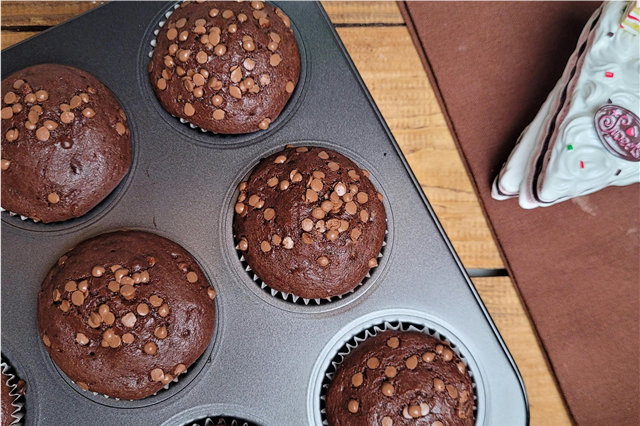
What Makes Baking Soda Tick?
Chemical Name Alert: Baking soda is scientifically known as sodium bicarbonate (NaHCO₃). This alkaline compound only needs one thing to spring into action: acid. When baking soda meets acidic ingredients like buttermilk, lemon juice, vinegar, or even brown sugar, a chemical reaction occurs that releases carbon dioxide gas bubbles—nature's own party balloons for your baked goods!
12 Fascinating Facts About Baking Soda as a Leavening Agent
1. It's Lightning Fast Chemistry
Unlike yeast, which can take hours to work its magic, baking soda reacts within seconds of combining with acid and heat. This rapid action is why quick breads (like banana bread and muffins) can go from batter to baked in under an hour.
2. The Double-Acting Discovery
Modern baking powder actually contains baking soda plus acidifying agents, creating what chemists call "double-acting" leavening. The first action happens when liquid hits (room temperature), and the second occurs when heat is applied during baking.
3. Age Matters More Than You Think
Properly stored baking soda can last 2-3 years, but its leavening power decreases over time. A simple test: mix 1/4 teaspoon with 2 tablespoons of vinegar. Vigorous fizzing means it's still potent for your pancakes!
4. Cookies vs. Cakes – The Texture Game
Baking soda creates coarser, more open crumb structures (perfect for chewy cookies), while baking powder produces finer, more tender crumbs (ideal for delicate cakes). This is why chocolate chip cookie recipes often use baking soda—chewiness is king!
5. Brown Sugar = Secret Acid Weapon
That's right—brown sugar is acidic enough to activate baking soda. Many old-fashioned cookie recipes use only brown sugar and baking soda because the molasses content provides the necessary acid for leavening.
6. Too Much of a Good Thing is Bad
Using excess baking soda creates large, irregular holes in your baked goods and can leave an unpleasant soapy taste. The general rule: 1/4 teaspoon per cup of flour in most recipes.
7. Sourdough's Ancient Secret
Before modern leavening agents, bakers relied on natural fermentation. Baking soda can actually enhance sourdough's rise by neutralizing some acidity while providing that final boost during baking.
8. The Heat Activation Factor
Baking soda's second phase of leavening occurs around 122°F (50°C). This heat activation explains why simply mixing ingredients isn't enough—you must get those treats into a preheated oven quickly.
9. Historical Game Changer
Baking soda revolutionized American baking in the 1840s when it became commercially available. Previously, bakers relied on labor-intensive methods like beating egg whites for hours or using beer/soda bread techniques.
10. Regional Recipe Adaptations
Bakers in humid climates often reduce baking soda amounts because moisture can prematurely activate the leavening agent before baking begins. This explains why recipes often need tweaking based on your kitchen's humidity level.
11. The Science of Spread vs. Rise
Cookies spread more and rise less because sugar and fat interfere with gluten formation, while cakes and muffins are designed to go upward due to higher protein content and proper mixing techniques.
12. Storage Temperature Shock
Cold baking soda from the refrigerator can actually slow initial leavening reactions, which is why many professional bakers recommend room temperature ingredients for optimal rise and texture.
Common Baking Soda Applications
Quick Breads: Banana bread, zucchini bread, and pumpkin bread rely on baking soda's immediate action to achieve tender crumb structures.
Cookies: Chocolate chip, oatmeal, and ginger cookies all benefit from baking soda's ability to create texture variation and slight spread.
Cakes: Certain cake recipes, especially those with acidic ingredients like cocoa powder or fruit purees, get their lift from baking soda.
Muffins: Blueberry, bran, and morning glory muffins depend on this leavening agent for that perfect dome top.
Pro Tips for Baking Soda Success
✅ Always combine baking soda with acidic ingredients for maximum rise ✅ Sift baking soda with flour to ensure even distribution ✅ Preheat your oven thoroughly—baking soda waits for no one ✅ Don't open the oven door during the first 10 minutes of baking ✅ Store baking soda in a cool, dry place away from heat sources
The Bottom Line
Understanding how baking soda works as a leavening agent transforms you from a recipe follower into a kitchen chemist. This simple compound has democratized baking, making it possible for home cooks to achieve restaurant-quality rises and textures without the time investment of traditional yeast methods.
Next time you're whipping up a batch of cookies or pouring batter into muffin tins, remember that invisible chemical reactions are hard at work, creating the perfect texture, rise, and eating experience we all crave. Baking soda may be just one ingredient, but it's often the secret weapon behind the most beloved baked goods in American cuisine.
Whether you're troubleshooting a flat cake or perfecting your grandmother's cookie recipe, understanding the science of baking soda leavening gives you the knowledge and confidence to succeed in the kitchen. After all, great baking isn't magic—it's chemistry, and baking soda is one of the most important ingredients in that delicious equation.


