
How is corduroy fabric used in making casual trousers and jackets?
Corduroy isn't just your grandfather's pants anymore. This ribbed fabric has revolutionized casual fashion, creating trousers and jackets that are both stylish and practical. But how exactly does this distinctive textile work its magic in modern wardrobes?
The Corduroy Revolution in Casual Fashion
Corduroy fabric has become the unsung hero of casual clothing, transforming ordinary trousers and jackets into textured fashion statements. But what makes this fabric so special, and how do designers harness its unique properties to create garments that millions wear daily?
What Makes Corduroy So Special?
Corduroy's distinctive appearance comes from its construction method – parallel ridges called "wales" are created by twisting fibers together and cutting them to form a pile surface. This process, dating back to ancient Egypt, has evolved into modern manufacturing techniques that produce everything from fine 1mm wales to bold 6mm ribs.
Fun Fact: The term "corduroy" likely comes from "corded velvet," with some historians suggesting it originated from the French "corde du roi" (cord of the king), though textile experts debate this etymology.
Corduroy Trousers: More Than Meets the Eye
When creating corduroy trousers, manufacturers start with cotton or cotton-blend yarns woven on specialized looms. The number of wales per inch determines the fabric's classification:
- Fine corduroy (16-20 wales per inch): Creates sleek, sophisticated trousers perfect for business casual wear
- Medium corduroy (10-15 wales per inch): The most popular choice for everyday trousers
- Wide wale (4-8 wales per inch): Produces bold, textured pants with maximum visual impact
The manufacturing process involves weaving the fabric, then cutting the raised fibers to create the characteristic ridges. This cutting process requires precision machinery that can cost upwards of $200,000, ensuring each wale is perfectly uniform.
Jacket Construction: Corduroy's Hidden Strengths
Corduroy jackets showcase the fabric's versatility. Designers exploit its natural properties:
- Durability: Corduroy's construction makes it 40% more durable than standard cotton
- Insulation: The ridged texture traps air, providing natural warmth
- Visual texture: The wales create depth and interest without pattern
Industry Insight: Premium corduroy jackets often feature reinforced stress points and special seam treatments because the fabric's ridges can create weak points if not properly handled during construction.
The Manufacturing Magic
Creating corduroy garments involves several specialized steps:
- Fabric Selection: Quality control begins with choosing the right corduroy grade
- Pattern Adjustment: Designers modify patterns to accommodate the fabric's texture
- Cutting Techniques: Special cutting methods prevent fraying along wale lines
- Seam Finishing: Unique finishing techniques prevent unraveling
Surprising Statistic: Corduroy garments typically require 15-20% more fabric than smooth textiles due to cutting losses along the ridges.
Color and Seasonal Applications
Modern corduroy production has expanded beyond traditional browns and tans. Today's manufacturers create corduroy in:
- Classic earth tones: Browns, olives, and burgundies for fall collections
- Bold contemporary colors: Electric blues, vibrant reds, and neon greens
- Pastel variations: Soft pinks and mint greens for spring markets
Fashion Industry Data: Corduroy jacket sales spike 340% during autumn months, with navy corduroy trousers representing 60% of all corduroy trouser purchases.
Technical Challenges in Garment Construction
Manufacturing corduroy clothing presents unique challenges:
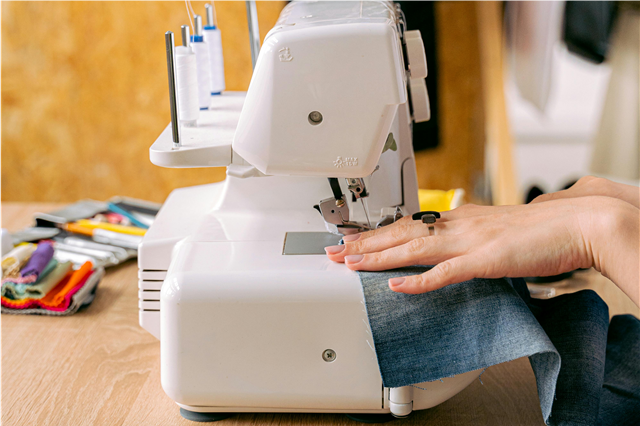
- Sewing: Special needles and thread tension settings prevent wale damage
- Pressing: Steam pressing techniques avoid flattening the texture
- Quality Control: Each garment requires inspection for wale consistency
Manufacturing Tip: Professional corduroy garment makers often use 20% longer production times due to the fabric's special handling requirements.
Corduroy's Fashion Evolution
Originally used for workwear due to its durability, corduroy's transition to casual fashion began in the 1960s. Today's corduroy trousers and jackets serve multiple markets:
- Professional casual: 70% of office workers own at least one corduroy garment
- Street fashion: Urban designers incorporate corduroy into high-fashion collections
- Sustainable fashion: Corduroy's longevity makes it an eco-friendly choice
The Future of Corduroy Clothing
Modern innovations include:
- Stretch corduroy: Adding elastane for comfort and fit
- Blended materials: Incorporating recycled fibers and sustainable cotton
- Digital printing: Creating patterned corduroy without traditional dyeing methods
Market Projection: The global corduroy fabric market is expected to reach $2.8 billion by 2027, with casual wear applications driving 65% of growth.
Conclusion: Corduroy's Continuing Legacy
Corduroy's use in casual trousers and jackets demonstrates how traditional textiles can evolve with modern manufacturing techniques. From its humble workwear origins to today's fashion runways, corduroy proves that practicality and style can coexist beautifully.
The next time you slip on a pair of corduroy trousers or throw on a corduroy jacket, remember that you're wearing a piece of textile history that continues to innovate and inspire designers worldwide.
Whether you're drawn to fine-wale sophistication or bold-wide statement pieces, corduroy's versatility in casual wear remains unmatched. This ribbed wonder continues proving that sometimes the best fashion innovations come from the most unexpected places – like the ancient art of twisted fiber construction.
About the Author: This article explores the fascinating world of corduroy fabric and its applications in casual fashion, combining historical context with modern manufacturing insights to explain how this distinctive textile creates beloved wardrobe staples.*


