
How is fishing gear used to ensure sustainable and ethical fishing practices?
The global fishing industry faces a critical balancing act: meeting the world's growing demand for seafood while protecting marine ecosystems for future generations. Fortunately, innovative fishing gear and smart techniques are paving the way for sustainable and ethical fishing practices that benefit both marine life and fishing communities.
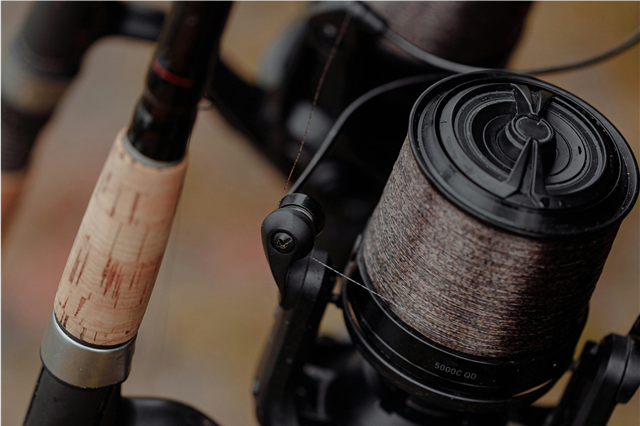
The Smart Evolution of Fishing Nets
Modern fishing nets have undergone remarkable transformations to reduce environmental impact. Escape panels and turtle excluder devices (TEDs) have become standard in many commercial operations, allowing juvenile fish and non-target species to escape while retaining marketable catches. Studies show these devices can reduce bycatch by up to 97% in some fisheries.
Biodegradable fishing nets represent another breakthrough, breaking down naturally if lost at sea. These "ghost nets" traditionally trap marine life for decades, but newer eco-friendly alternatives decompose within 2-5 years, dramatically reducing long-term ocean pollution.
Precision Technology Meets Traditional Fishing
GPS tracking and sonar technology enable fishermen to target specific areas more accurately, reducing fuel consumption by up to 40% and minimizing seabed disturbance. Smart fishing lines equipped with sensors can detect the size and species of caught fish, automatically releasing undersized or protected species back into the water.
Hook and Line Innovations
Circle hooks have revolutionized recreational and commercial fishing by hooking fish in the corner of their mouths rather than deep in their throats or stomachs. This simple design change increases survival rates of released fish to over 95%, making catch-and-release fishing truly sustainable.
Barbless hooks offer another ethical advantage, causing minimal injury and allowing for quick, safe release of fish that don't meet size requirements or species regulations.
Trap and Pot Solutions
Modern fishing traps (pots) incorporate biodegradable panels that dissolve after a certain time, preventing lost gear from continuing to catch marine life indefinitely. These "ghost fishing" prevention measures have reduced long-term marine mammal and fish mortality by significant margins.
Innovative trap designs also include escape rings for juvenile lobsters and crabs, ensuring only mature individuals are harvested. This size-selective approach helps maintain healthy breeding populations while supporting commercial fishing livelihoods.
The Rise of Selective Fishing Methods
Purse seine nets with Fish Aggregating Devices (FADs) now incorporate eco-friendly materials and designs that reduce bycatch of juvenile tuna by up to 60%. Modern FADs are equipped with satellite tracking, enabling better monitoring and reducing the likelihood of gear loss.
Longline fishing has embraced hook-shedding technology, where hooks automatically detach after a predetermined time, preventing abandoned lines from continuing to catch marine life.
Pole and Line Fishing Renaissance
Traditional pole and line fishing methods are experiencing a modern renaissance due to their inherently sustainable nature. This method allows complete control over what's caught, resulting in zero bycatch rates and minimal environmental impact. Modern pole and line vessels now incorporate solar power and efficient refrigeration systems, reducing their carbon footprint by up to 30%.
Certification and Traceability Gear
Smart tags and blockchain technology now enable consumers to trace their seafood from hook to plate. RFID tags attached to fishing gear help monitor compliance with sustainable fishing practices and ensure that certified sustainable seafood maintains its integrity throughout the supply chain.
The Future: AI-Powered Fishing Gear
Emerging artificial intelligence applications in fishing gear include smart bait systems that attract only target species and predictive fishing technologies that identify optimal fishing locations while avoiding sensitive marine habitats. These innovations promise to make sustainable fishing even more efficient and profitable.
Making a Difference: What You Can Do
Consumers play a crucial role in supporting sustainable fishing practices by choosing seafood certified by organizations like the Marine Stewardship Council (MSC) or Aquaculture Stewardship Council (ASC). These certifications ensure that the fishing gear and methods used meet strict sustainability criteria.
Interesting fact: Sustainable fishing gear investments typically pay for themselves within 2-3 fishing seasons through improved catch efficiency and reduced fuel costs, making ethical fishing economically viable for commercial operations.
The Bottom Line
Sustainable and ethical fishing practices aren't just environmental necessities—they're smart business decisions. As fishing gear continues to evolve with technology and environmental consciousness, we're witnessing a remarkable transformation of an ancient practice into a modern, responsible industry. From high-tech sensors to simple design improvements, every innovation brings us closer to a future where seafood can be enjoyed guilt-free, knowing that our oceans remain healthy and thriving for generations to come.
The next time you enjoy sustainably sourced seafood, remember that it's often the fishing gear—not just the fisherman—that makes the difference between depletion and sustainability.


