
How is PPE utilized in laboratories handling hazardous materials
Laboratory safety isn't just about following rules—it's about survival. Every year, thousands of laboratory workers rely on Personal Protective Equipment (PPE) to shield them from invisible threats that could cause serious harm or death. But how exactly is PPE utilized in these high-risk environments, and what fascinating facts should everyone know?
The Critical Role of PPE in Hazardous Material Labs
Laboratories handling hazardous materials—from corrosive chemicals to radioactive substances—represent some of the most dangerous workplaces on the planet. According to the Occupational Safety and Health Administration (OSHA), proper PPE usage can prevent up to 90% of laboratory-related injuries and exposures. This staggering statistic underscores why understanding PPE utilization is crucial for laboratory safety.
Eye-Opening Facts About Laboratory PPE
The Invisible Threat Protection
Did you know that laboratory-grade safety goggles can withstand impacts up to 150 feet per second? That's faster than a paintball gun! This protection is essential when handling volatile chemicals that could splash or explode unexpectedly.
Layered Defense Strategy
Modern laboratory PPE operates on a "Swiss cheese model"—multiple layers of protection work together. Even if one layer fails, others prevent exposure. This means wearing gloves, goggles, lab coats, and respiratory protection simultaneously creates an almost impenetrable barrier against hazardous materials.
Temperature Extremes Protection
Specialty PPE can protect against temperatures ranging from -196°C (liquid nitrogen) to over 1000°C (high-temperature reactions). Cryogenic gloves and heat-resistant aprons are just two examples of specialized equipment protecting laboratory workers from thermal hazards.
Types of PPE and Their Specific Applications
Respiratory Protection: The First Line of Defense
Chemical Fume Hoods and Respirators When working with volatile organic compounds (VOCs) or toxic gases, specialized respirators filter particles as small as 0.3 microns. Some advanced PPE systems can even protect against nerve agents and biological warfare simulants used in research.
Interesting Fact: The airflow in a properly functioning fume hood moves at 80-120 feet per minute—fast enough to catch and contain most hazardous vapors before they reach the worker.
Skin Protection: More Than Just Gloves
Multi-Layered Gloving Systems Modern laboratory practices often require double-gloving or even triple-gloving, especially when handling highly toxic substances like certain heavy metals or radioactive materials. But here's a surprising fact: different glove materials protect against different hazards—nitrile for chemicals, latex for biological materials, and lead-lined gloves for radiation protection.
Full-Body Protection Chemical-resistant suits can provide complete body coverage when handling substances like hydrofluoric acid, which can penetrate regular clothing and cause severe burns that aren't immediately felt due to nerve damage.
Specialized PPE for Unique Laboratory Hazards
Biological Safety: Beyond Standard Protection
Biosafety Level 4 (BSL-4) laboratories dealing with the most dangerous pathogens require full positive-pressure suits. These suits provide air pressure higher than the environment, ensuring that even if there's a tear, contaminants flow out rather than in.
Fascinating Fact: BSL-4 suits have their own life support systems and can weigh up to 40 pounds, essentially turning scientists into mobile clean rooms.
Radiation Protection: Heavy Metal Defense
Lead aprons and thyroid shields are standard in laboratories using radioactive materials. But modern PPE also includes specialty materials like tungsten fiber composites that offer better protection-to-weight ratios.
Proper PPE Utilization Protocols
Donning and Doffing: A Critical Ritual
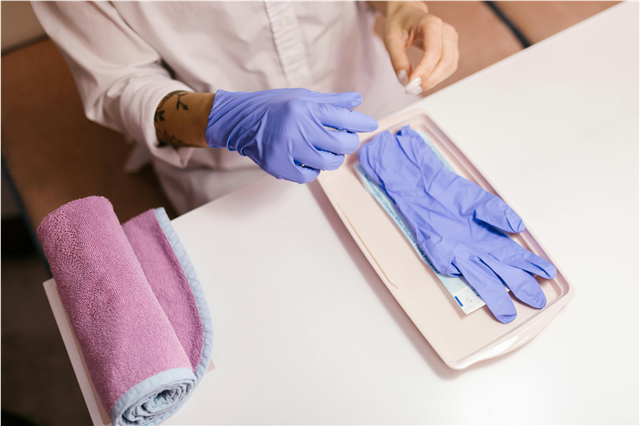
The way PPE is put on and removed can be just as important as wearing it. Proper donning and doffing procedures prevent self-contamination during removal—a process that requires specific training and can take several minutes to complete properly.
Research shows that up to 30% of laboratory exposures occur during PPE removal, highlighting the importance of proper training and technique.
Compatibility Challenges
Not all PPE works well together. For instance, some gloves may interfere with the seal of respiratory protection, while certain chemical suits may restrict movement needed for precise laboratory work. Safety coordinators must carefully select compatible equipment.
Emerging Technologies in Laboratory PPE
Smart PPE: The Future is Here
Modern PPE increasingly incorporates technology—sensor-equipped gloves can detect chemical exposure and immediately alert workers, while smart suits can monitor vital signs and environmental conditions in real-time.
Nanotechnology Integration
New materials incorporating nanotechnology offer better protection while being lighter and more comfortable. Nanofiber filters can capture ultrafine particles while maintaining breathability, and nano-coatings on gloves provide enhanced chemical resistance.
Regulatory Requirements and Standards
Laboratory PPE utilization follows strict guidelines from multiple agencies. OSHA's Laboratory Standard (29 CFR 1910.1450) requires employers to provide appropriate PPE when employee exposures exceed permissible limits. The American National Standards Institute (ANSI) and International Safety Equipment Association (ISEA) provide detailed specifications for different types of protective equipment.
Key Fact: Laboratories handling hazardous materials spend an average of 3-5% of their annual budget on PPE—considering it an essential investment in worker safety and regulatory compliance.
Training and Education: The Human Element
No matter how advanced PPE becomes, proper training remains critical. Studies indicate that comprehensive PPE training programs can reduce laboratory incidents by up to 65%. This includes not just how to wear equipment, but when to wear it, how to inspect it for damage, and how to properly dispose of contaminated items.
Conclusion: The Life-Saving Importance of Proper PPE Utilization
The utilization of PPE in laboratories handling hazardous materials represents a fascinating intersection of technology, science, and human safety. From the simple lab coat to sophisticated full-body containment suits, each piece of equipment plays a vital role in protecting those who push the boundaries of scientific discovery.
As laboratories continue to work with increasingly complex and dangerous materials—from nanomaterials to synthetic biology constructs—the evolution of PPE will remain crucial. Understanding how PPE is utilized isn't just interesting—it's essential knowledge for anyone working in or around laboratory environments where hazardous materials are present.
The next time you see a scientist in full protective gear, remember that behind that equipment is a person whose safety depends on every layer, every seal, and every properly followed protocol. In the world of hazardous material laboratories, PPE isn't just equipment—it's the difference between scientific discovery and personal disaster.


