
What are the applications of air conditioners in cooling indoor spaces?
Air conditioning has become an indispensable part of modern life, transforming how we live, work, and play in indoor environments. But beyond simply keeping us cool, air conditioners have fascinating applications that extend far beyond basic temperature control. Let's explore these incredible uses with some surprising facts you probably didn't know!
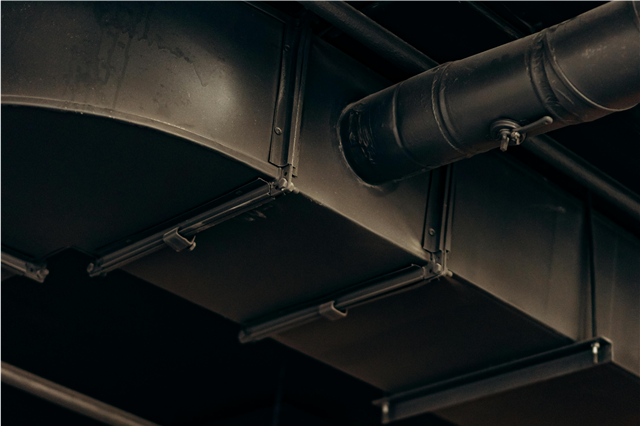
The Science Behind Cool Comfort
Air conditioners don't actually create cold air – they remove heat from indoor spaces through a process called heat transfer. This fascinating mechanism uses refrigerants that absorb heat from inside your home and release it outside, creating that refreshing cool feeling we all crave.
Fun Fact: The first modern air conditioning system, invented in 1902 by Willis Carrier, was actually designed to control humidity in a printing plant – not for human comfort at all!
Residential Cooling: More Than Just Bedrooms
Smart Home Integration
Modern air conditioners can now integrate with smart home systems, learning your daily routines and adjusting temperatures automatically. Some units can even detect when you're leaving home through your smartphone and adjust settings accordingly.
Amazing Statistic: Smart air conditioning systems can reduce energy consumption by up to 25% compared to traditional units.
Whole-House Comfort Solutions
While window units cool single rooms, modern central air systems can maintain consistent temperatures throughout entire homes, with zoning capabilities that allow different temperatures in different areas.
Commercial Applications: Beyond Office Buildings
Data Centers: The Digital World's Refrigerator
Air conditioners play a crucial role in cooling massive data centers that house servers generating enormous amounts of heat. Without precise temperature control, these digital hubs would overheat and fail.
Incredible Fact: Large data centers can consume as much energy on cooling as a small town uses entirely!
Healthcare Facilities: Precision Matters
Hospitals and medical facilities require extremely precise climate control. Operating rooms, for instance, need specific temperature and humidity levels to prevent bacterial growth and ensure patient safety during surgeries.
Food Preservation Revolution
Commercial refrigeration and air conditioning systems work together to preserve food quality in supermarkets, restaurants, and storage facilities. This technology reduces food waste by up to 30% globally.
Surprising Statistic: The average supermarket uses 50% more energy for refrigeration than for lighting and other operations combined!
Specialized Cooling Applications
Museums and Archives: Protecting History
Air conditioning systems in museums maintain precise environmental conditions to preserve priceless artifacts, paintings, and historical documents from temperature fluctuations and humidity damage.
Interesting Note: The Mona Lisa is kept in a climate-controlled display case with less than 1°C temperature variation!
Manufacturing Precision
Industries like pharmaceuticals, electronics, and precision manufacturing rely on air conditioning to maintain clean room environments with controlled temperatures, humidity, and air filtration.
Transportation Comfort
From cars and trains to airplanes and ships, air conditioning systems have revolutionized travel comfort. Modern aircraft air conditioning systems can refresh the entire cabin air every 2-3 minutes.
Amazing Fact: Car air conditioning systems weren't common until the 1960s – only about 2% of cars had AC in 1960, compared to 95% today!
Modern Innovations Changing the Game
Energy-Efficient Inverter Technology
Modern inverter air conditioners can adjust their compressor speed based on cooling needs, using up to 40% less energy than traditional units while providing more consistent temperatures.
Air Purification Features
Many contemporary air conditioners now include advanced filtration systems that remove allergens, bacteria, and even viruses from indoor air, making them essential for allergy sufferers.
Health Impact: Studies show that proper air conditioning can reduce asthma attacks by up to 35% by filtering out airborne pollutants.
Heat Pump Technology
Modern systems can reverse their operation to provide both heating and cooling, making them year-round comfort solutions that are environmentally friendly and cost-effective.
Environmental Considerations and Future Trends
Eco-Friendly Refrigerants
New air conditioning systems use environmentally friendly refrigerants that don't harm the ozone layer and have lower global warming potential.
Solar-Powered Cooling
Innovative solar air conditioning systems are emerging as sustainable solutions, using solar energy to power cooling systems during peak demand times.
Future Outlook: By 2030, solar-powered air conditioning is expected to account for 15% of new installations in sunny climates.
The Hidden Benefits You Might Not Realize
Beyond comfort, air conditioning provides several unexpected advantages:
- Improved Sleep Quality: Optimal room temperatures (65-68°F) promote better sleep and recovery
- Increased Productivity: Studies show that workers in properly climate-controlled environments are 12-15% more productive
- Reduced Heat-Related Illnesses: Proper cooling prevents heat exhaustion and heatstroke, especially important for elderly individuals
- Better Food Safety: Controlled temperatures prevent bacterial growth in restaurants and food storage facilities
Conclusion: Cooling Technology That Transforms Lives
From preserving ancient artifacts to powering the digital world, air conditioners have applications that extend far beyond simply cooling our homes. These remarkable systems represent one of humanity's greatest comfort innovations, with new technologies constantly expanding their capabilities and efficiency.
As we face climate change and rising temperatures, air conditioning systems continue evolving to become more energy-efficient, environmentally friendly, and technologically advanced. Whether you're cooling a single room or an entire data center, modern air conditioning technology offers solutions that make our indoor spaces not just comfortable, but healthier, safer, and more productive.
The next time you enjoy that refreshing blast of cool air, remember that your air conditioner is part of a fascinating network of technology that keeps our modern world running smoothly – from the hospitals where babies are born to the offices where world-changing decisions are made.
Ready to upgrade your cooling system? Understanding these diverse applications can help you choose the right air conditioning solution for your specific needs, whether residential, commercial, or specialized cooling requirements.


