
What are the applications of food and beverage machines in large-scale food production?
In today's fast-paced world, the food and beverage industry relies heavily on automation to meet growing consumer demands. But did you know that the average person consumes products made by food and beverage machines every single day? From the morning coffee that kickstarts your day to the packaged snacks you grab on-the-go, automated machinery is revolutionizing how we produce and consume food.
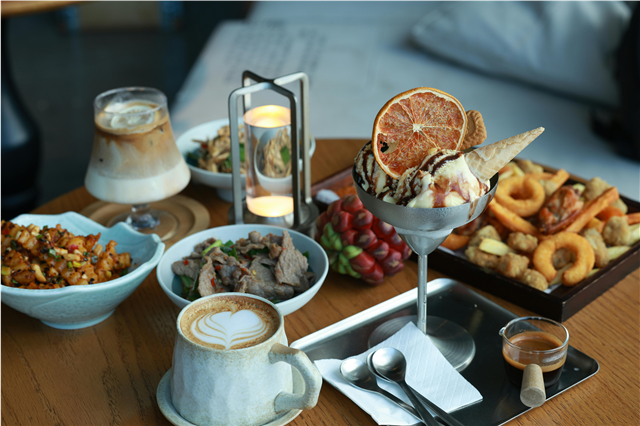
The Automation Revolution in Your Kitchen
Food and beverage machines are sophisticated pieces of equipment that handle everything from mixing and cooking to packaging and quality control. These systems process millions of products daily, working around the clock with precision that human hands simply cannot match. In fact, modern automated production lines can fill over 2,000 beverage containers per minute – that's 120,000 per hour!
Diverse Applications Across Food Categories
Beverage Production Magic
Beverage machines dominate the liquid refreshment industry, handling everything from carbonated soft drinks to complex dairy products. Automated bottling lines can simultaneously fill, cap, label, and package thousands of bottles while maintaining sterile conditions. Did you know that the world's largest beverage production facilities can produce over 100 million bottles annually using completely automated systems?
Bakery and Confectionery Automation
Large-scale bread production relies on machines that can mix, shape, proof, and bake thousands of loaves daily. Automated cake decorating systems can produce intricate designs at speeds that would take human decorators weeks to accomplish manually. Modern cookie production lines can manufacture up to 200,000 cookies per hour with consistent size, texture, and quality.
Meat and Poultry Processing
In meat processing facilities, machines handle delicate tasks like portioning, marinating, and packaging while maintaining strict hygiene standards. Automated cutting systems use computer vision to optimize meat yield, reducing waste by up to 15% compared to manual processing methods.
Dairy Product Manufacturing
Machines in dairy production handle pasteurization, homogenization, fermentation, and packaging processes. Automated yogurt production lines can process thousands of gallons of milk while precisely controlling temperature, timing, and ingredient addition to ensure consistent product quality.
Quality Control and Safety Applications
Food and beverage machines excel at maintaining food safety standards that are nearly impossible to achieve manually. Automated metal detection systems can identify metal particles as small as 1mm, preventing contamination that could cause serious health issues. Similarly, automated vision systems can detect foreign objects, package defects, and quality inconsistencies faster and more accurately than human inspectors.
Temperature monitoring machines ensure that hot foods stay above 140°F and cold foods remain below 40°F throughout the production process, preventing bacterial growth that could lead to foodborne illnesses.
Packaging and Distribution Innovations
Modern packaging machines can handle multiple packaging formats simultaneously – from individual serving pouches to bulk shipping containers. High-speed packaging systems can create over 1,000 sealed packages per minute while incorporating features like modified atmosphere packaging that extends shelf life by up to 50%.
Automated labeling systems ensure that every product meets regulatory requirements, applying nutritional information, ingredient lists, and barcodes with 99.9% accuracy. RFID tagging technology, integrated into packaging machines, allows for complete product traceability from farm to table.
Economic and Environmental Benefits
Large-scale food production machines significantly reduce operational costs through improved efficiency and reduced labor requirements. Automated production lines typically achieve 20-30% higher throughput compared to manual operations while maintaining consistent quality standards.
Waste reduction is another compelling advantage – automated portion control systems minimize overproduction, while precision mixing equipment ensure optimal ingredient utilization. Food waste in automated facilities is typically 15-25% lower than traditional production methods.
Energy efficiency improvements in modern food machines translate to substantial cost savings. Newer automated systems consume up to 30% less energy than older equipment while delivering increased production capacity.
Future-Proofing Food Production
Emerging technologies like artificial intelligence and machine learning are being integrated into food and beverage machines, enabling predictive maintenance and quality optimization. AI-powered production systems can predict equipment failures up to 72 hours in advance, minimizing costly downtime.
Robotics integration allows for even more sophisticated automation, with collaborative robots (cobots) working alongside human operators to handle complex production tasks while maintaining flexibility in product variety.
The Bottom Line
Food and beverage machines have transformed large-scale production from labor-intensive operations to precision-engineered processes that deliver consistent quality, enhanced safety, and improved efficiency. The global food processing automation market is expected to reach $18.5 billion by 2027, reflecting the industry's commitment to technological advancement.
As consumer demands for variety, quality, and safety continue to grow, food and beverage machines will undoubtedly play an increasingly vital role in meeting these expectations while maintaining the affordability that makes processed foods accessible to populations worldwide.
The next time you enjoy a perfectly consistent snack or beverage, remember that sophisticated machinery worked tirelessly behind the scenes to deliver that experience – efficiently, safely, and affordably. The marriage of technology and food production isn't just changing how we make food; it's ensuring that safe, quality food remains accessible to everyone.
Ready to explore how food and beverage automation can transform your production capabilities? Understanding these machine applications is the first step toward optimizing your manufacturing processes for the future.


