
What are the applications of marine depth finders in locating underwater obstacles?
Discover how these remarkable devices are revolutionizing underwater navigation and obstacle detection across our planet's vast oceanic realms.
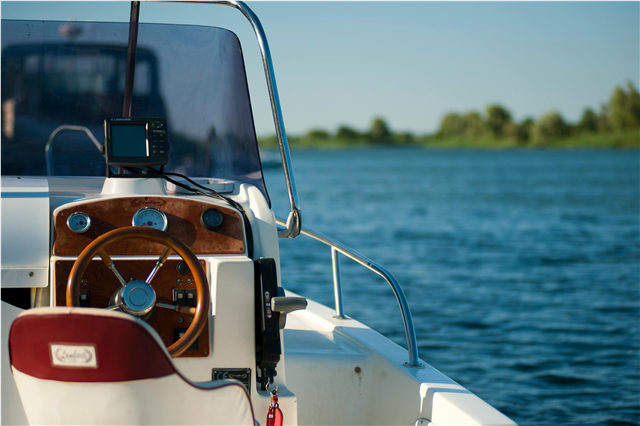
The ocean covers over 71% of Earth's surface, yet we've only explored about 5% of it. Hidden beneath the rolling waves lies a complex underwater landscape filled with reefs, shipwrecks, underwater mountains, and countless natural and artificial obstacles. Enter the marine depth finder – a sophisticated piece of technology that's transforming how we navigate and understand our planet's aquatic environments.
The Sonar Revolution: How Depth Finders Work
Marine depth finders operate on a principle that would make bats proud – echolocation. These devices emit high-frequency sound waves (typically between 50-200 kHz) that travel through water at approximately 1,500 meters per second. When these sound waves encounter an underwater obstacle, they bounce back to the device's transducer, which calculates the time taken for the round trip to determine precise depths and object locations.
Amazing Fact: Sound travels nearly five times faster in water than in air, making sonar technology incredibly effective for underwater mapping and obstacle detection.
Shipping Safety: Navigating the Invisible Highway
Commercial shipping relies heavily on marine depth finders to avoid underwater hazards that could spell disaster for massive cargo vessels. The average container ship carries goods worth millions of dollars, making obstacle detection not just about safety, but economic security.
Modern depth finders can detect obstacles as small as a basketball at depths exceeding 1,000 feet, providing ship captains with real-time data to navigate safely through busy shipping lanes and shallow coastal waters.
Did You Know: The Titanic's tragic sinking in 1912 helped accelerate the development of early sonar technology, as maritime safety became a global priority.
Fishing Industry Innovation
Commercial and recreational fishing has been revolutionized by depth finder technology. These devices don't just locate underwater obstacles – they identify prime fishing spots by detecting underwater structures where fish congregate, such as:
- Rocky outcrops and reef systems
- Sunken shipwrecks that create artificial habitats
- Underwater ledges and drop-offs
- Aquatic vegetation beds
Modern fish finders can distinguish between different types of underwater materials, helping anglers understand whether they're looking at a rocky formation or a muddy bottom.
Search and Rescue Operations
Marine depth finders play a crucial role in underwater search and rescue missions. When aircraft or vessels go missing, these devices help locate:
- Wreckage debris fields
- Survivable air pockets
- Obstacles that might impede rescue operations
- Safe navigation routes for rescue vessels
The technology has been instrumental in locating everything from missing aircraft to downed helicopters, often providing the critical information needed for successful rescue operations.
Incredible Statistic: Search and rescue teams using modern sonar technology have successfully located underwater objects at depths exceeding 15,000 feet – that's nearly three miles beneath the surface!
Scientific Research and Ocean Exploration
Marine researchers use depth finders to study underwater ecosystems and map previously uncharted territories. These devices have revealed:
- Previously unknown underwater mountain ranges
- Deep-sea hydrothermal vents
- Ancient underwater archaeological sites
- Migration patterns of marine life around underwater obstacles
Oceanographers can now create detailed three-dimensional maps of the seafloor, identifying obstacles that influence ocean currents and marine ecosystems.
Environmental Protection and Conservation
Depth finders are essential tools for environmental monitoring, helping scientists and conservationists:
- Monitor coral reef health and growth
- Track changes in underwater topography due to climate change
- Identify pollution sources and their impact on underwater environments
- Locate and map underwater hazards like discarded fishing nets
Fascinating Fact: Marine depth finders have helped discover over 3,000 previously unknown shipwrecks, many of which have become artificial reefs supporting diverse marine ecosystems.
Recreational Boating and Diving
For recreational users, depth finders provide essential safety information:
- Identifying safe anchor points
- Locating underwater hazards like rocks and stumps
- Finding the best fishing spots
- Navigating through unfamiliar waters
Modern recreational depth finders are compact, affordable, and incredibly sophisticated, often incorporating GPS technology and color displays that provide clear visual representations of underwater environments.
Construction and Infrastructure Development
Marine construction projects depend heavily on depth finder technology for:
- Bridge pier placement and inspection
- Underwater pipeline routing
- Port and marina construction
- Offshore wind farm development
Engineers use these devices to ensure that construction projects avoid underwater obstacles while maintaining structural integrity in challenging aquatic environments.
Military and Defense Applications
Naval forces worldwide utilize advanced depth finder systems for:
- Submarine detection and tracking
- Mine countermeasures
- Underwater security operations
- Amphibious landing planning
- Naval base protection
Military-grade sonar systems can detect underwater obstacles at much greater ranges and with higher precision than commercial devices.
Technological Evolution and Future Applications
Today's marine depth finders incorporate cutting-edge technologies including:
- CHIRP sonar for enhanced target separation
- Side-scan sonar for wide-area mapping
- 3D imaging capabilities
- Artificial intelligence for automatic obstacle classification
- Integration with GPS and autopilot systems
Amazing Development: Some modern depth finders can create real-time 3D maps of underwater environments, allowing users to literally see the underwater world as if they were swimming through it.
Conclusion: The Unseen Guardian of Our Waters
Marine depth finders have transformed from simple depth-measuring devices into sophisticated underwater obstacle detection systems that protect lives, vessels, and the environment. As technology continues to advance, these remarkable devices will continue to unlock the mysteries of our planet's vast underwater realms.
Whether you're a commercial ship captain navigating treacherous waters, a scientist exploring the ocean depths, or a recreational boater seeking the perfect fishing spot, marine depth finders serve as your eyes beneath the waves – revealing a hidden world of underwater obstacles and wonders that shape our aquatic environment.
Key Takeaway: In an era where we can map distant planets with incredible precision, marine depth finders ensure we never stop exploring and understanding the final frontier on our own planet – the mysterious depths of our oceans.
Enhance your marine safety knowledge and explore the latest depth finder technology to ensure safe navigation in today's complex aquatic environments.


