
What are the applications of PPE in agriculture and pesticide spraying
Personal Protective Equipment (PPE) isn't just for construction workers and healthcare professionals – it plays a crucial role in modern agriculture and pesticide application. Whether you're a farmer, agricultural worker, or simply curious about farming safety, understanding PPE applications in agriculture can be life-saving. Here are 15 fascinating facts that reveal why protective gear is essential in the fields.
1. Pesticide Exposure Affects Over 26 Million Agricultural Workers Worldwide
Every year, approximately 26 million agricultural workers face significant pesticide exposure risks. Without proper PPE, these workers are vulnerable to acute poisoning, chronic health issues, and long-term neurological damage. The World Health Organization estimates that pesticide poisoning results in 200,000 deaths annually, making PPE not just recommended – it's essential.
2. Respiratory Protection Prevents "Farmer's Lung" and Chemical Inhalation
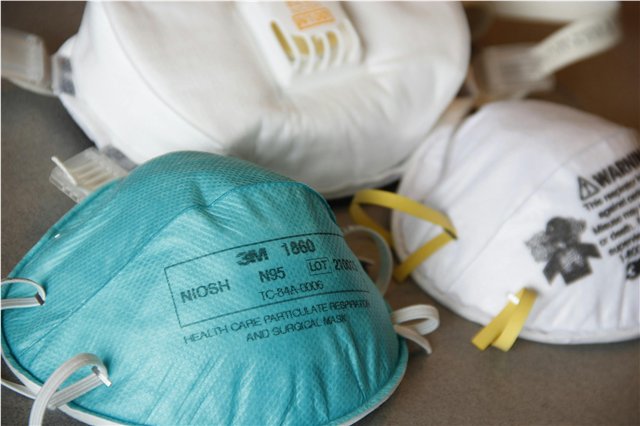
Did you know that agricultural workers are 23% more likely to develop respiratory problems? Proper respirators and masks protect against pesticide vapors, dust particles, and fungal spores that can cause serious lung conditions. N95 masks and chemical cartridge respirators are commonly used to prevent inhalation of harmful substances during pesticide spraying.
3. Chemical-Resistant Gloves Are 40 Times More Effective Than Regular Work Gloves
Standard work gloves offer minimal protection against pesticides. Chemical-resistant gloves made from nitrile, neoprene, or butyl rubber provide up to 40 times better protection against pesticide absorption. These gloves must be replaced regularly, as prolonged exposure can cause degradation and reduce effectiveness.
4. Eye Protection Prevents 90% of Chemical Splash Injuries
Protective eyewear prevents pesticide splashes from causing corneal damage, chemical burns, and permanent vision loss. Full-face shields and chemical splash goggles are particularly important during mixing, loading, and spraying operations where accidental exposure can cause immediate and severe eye injuries.
5. Pesticide Applicators Are 3 Times More Likely to Develop Parkinson's Disease
Studies show agricultural workers who regularly handle pesticides have a 300% higher risk of developing Parkinson's disease. Proper PPE, including full-body suits and respiratory protection, significantly reduces this risk by minimizing skin contact and inhalation of neurotoxic chemicals.
6. Temperature and PPE: A Dangerous Combination
Agricultural workers wearing full PPE during spraying operations face heat stress risks, with body temperatures potentially rising 2-3 degrees Fahrenheit. This makes hydration, cooling vests, and proper ventilation breaks crucial components of pesticide safety protocols.
7. 70% of Pesticide Exposure Occurs Through Skin Contact
Contrary to popular belief, most pesticide exposure happens through skin absorption rather than inhalation. Protective clothing including coveralls, boots, and chemical-resistant aprons are essential for preventing dermal exposure that can lead to chronic health issues.
8. Modern Pesticide Suits Are 50% More Breathable Than Traditional Gear
Advances in agricultural PPE have led to lightweight, breathable materials that reduce heat stress while maintaining protection. Newer suits use moisture-wicking fabrics and improved ventilation systems, making them 50% more comfortable for extended wear during spraying operations.
9. pH Levels Determine PPE Effectiveness Duration
The effectiveness of PPE degrades based on pesticide pH levels. Acidic pesticides (pH below 7) tend to break down protective materials faster than neutral or basic chemicals. Workers must understand chemical compatibility to ensure their PPE remains effective throughout spraying operations.
10. Pesticide Spray Drift Affects Areas Up to 2 Miles Away
Modern agricultural sprayers can distribute pesticides over vast areas, but drift can carry chemicals up to 2 miles from the application site. This makes community-wide PPE awareness critical, as even non-workers may need protective equipment during large-scale pesticide applications.
11. Children Are 8 Times More Susceptible to Pesticide Damage
Children's developing systems are significantly more vulnerable to pesticide exposure. Agricultural families must implement strict PPE protocols and establish pesticide-free zones to protect children, who are 8 times more likely to suffer adverse effects from the same chemical exposure.
12. Economic Impact: PPE Saves $17 for Every $1 Invested
While quality PPE represents an initial investment, studies show that every dollar spent on agricultural protective equipment saves approximately $17 in healthcare costs, lost productivity, and liability claims. Proper PPE is not just protective – it's economically beneficial for agricultural operations.
13. UV Degradation Reduces PPE Effectiveness by 30% After 6 Months
Agricultural PPE exposed to constant sunlight loses approximately 30% of its protective capabilities after six months. Regular inspection and replacement schedules are crucial for maintaining protection effectiveness in field conditions.
14. Hand Washing Technique Is Critical – 95% of Pesticide Removal Requires Proper Method
Simply rinsing hands isn't enough – removing pesticides requires a specific washing technique using soap, water, and scrubbing for at least 2 minutes. Even with gloves, this hand-washing protocol remains essential for workers handling pesticides and PPE removal.
15. PPE Training Reduces Accidents by 85% in Agricultural Operations
Comprehensive PPE training programs reduce pesticide-related accidents by 85%. Proper fitting, usage, maintenance, and disposal protocols are essential components of effective agricultural safety programs.
Key Takeaways for Agricultural PPE Applications
Understanding these facts about PPE in agriculture reveals several important principles:
- Comprehensive Protection: Effective PPE involves multiple components working together
- Regular Replacement: PPE effectiveness degrades over time and use
- Training Matters: Proper use and maintenance are as important as having the equipment
- Health Investment: PPE represents protection against significant long-term health risks
Whether you're involved in small-scale farming or large agricultural operations, investing in quality Personal Protective Equipment isn't just about compliance – it's about protecting human health, maximizing productivity, and ensuring sustainable agricultural practices for future generations.
Remember: In agriculture and pesticide applications, the right PPE can mean the difference between a safe operation and a dangerous exposure that could have lasting consequences.


