
What are the applications of professional cameras in documentary filmmaking?
Documentary filmmaking isn't just about pointing a camera and pressing record. Professional cameras have revolutionized how we capture real life, transforming storytelling from grainy home videos into cinematic masterpieces that move audiences worldwide. But what exactly makes these sophisticated tools so essential for documentary work?
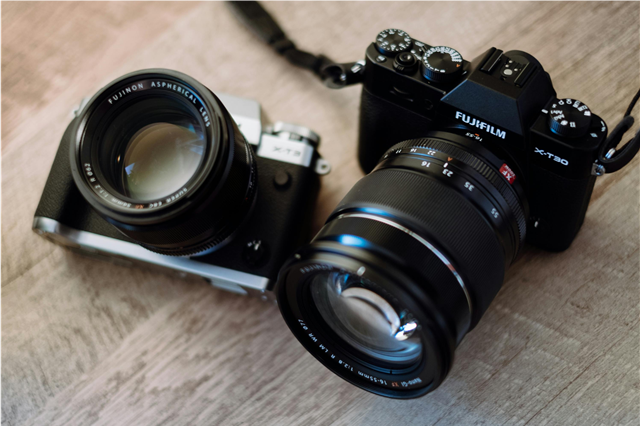
1. Cinematic Quality That Competes with Hollywood Features
Professional cameras like the ARRI Alexa, RED cameras, and Sony Venice capture footage in 4K, 6K, and even 8K resolution, delivering breathtaking image quality that puts documentaries on par with major motion pictures. Did you know? The Oscar-winning documentary "Free Solo" used multiple professional cameras simultaneously to capture climber Alex Honnold's ascent without ropes – including specialized helmet-mounted rigs that cost over $50,000 each.
2. Low-Light Performance for Authentic Storytelling
One of the most crucial applications of professional cameras is their exceptional low-light capabilities. Documentary filmmakers often work in unpredictable environments – from dimly lit refugee camps to nighttime urban scenes. Cameras like the Canon C700 and Sony FX9 can shoot in near-darkness while maintaining natural colors and minimal noise, allowing filmmakers to capture authentic moments without disrupting the environment with artificial lighting.
3. Long Recording Times for Extended Narratives
Professional cameras can record continuously for hours, essential for capturing unfolding stories. Consumer cameras typically limit recording to 29 minutes and 59 seconds due to tax regulations on "professional equipment." Professional cameras break this barrier, with some models recording for 8+ hours straight. This capability proved vital in documentaries like "Won't You Be My Neighbor?" where intimate conversations needed to flow naturally without technical interruptions.
4. Multiple Recording Formats for Post-Production Flexibility
Modern professional cameras record in various formats simultaneously – from high-resolution ProRes RAW to compressed H.264. Fact: The documentary "The Act of Killing" utilized multiple camera formats across 16 years of production, with editors switching between different professional recording standards to maintain consistency while adapting to evolving technology throughout the lengthy production process.
5. Wireless Transmission for Remote Monitoring
Professional documentary cameras often feature built-in wireless transmission capabilities, allowing directors and cinematographers to monitor footage in real-time from multiple locations. This technology was revolutionary for documentaries like "Apollo 11," where filmmakers needed to coordinate multiple camera angles during archival restoration work, monitoring feeds from computers around the world.
6. Weather-Sealed Construction for Extreme Conditions
Whether documenting polar expeditions or conflict zones, professional cameras are built to withstand harsh environments. Amazing fact: The documentary "Chasing Ice" used specially modified professional cameras that operated in temperatures as low as -20°F, capturing glacier movements in conditions that would destroy consumer equipment within minutes.
7. Interchangeable Lens Systems for Creative Storytelling
Professional cameras support extensive lens ecosystems, from ultra-wide fisheye lenses to telephoto primes. This flexibility allows documentary filmmakers to choose the perfect visual perspective for each moment. The iconic close-ups in "The Beatles: Eight Days a Week" were achieved using specialized macro lenses on professional cinema cameras, bringing viewers intimately close to the band in ways consumer equipment simply cannot match.
8. Professional Audio Integration for Complete Storytelling
Unlike consumer cameras, professional documentary cameras feature XLR inputs, timecode synchronization, and professional audio monitoring. Notable example: The Academy Award-nominated "Icarus" relied heavily on professional camera audio systems to capture crucial interviews with Russian athletes, with sound quality that convinced audiences of the documentary's authenticity amid doping scandal controversies.
The Bottom Line: Investment in Authenticity
Professional cameras in documentary filmmaking aren't just about technical superiority – they're about storytelling integrity. When filmmakers invest in professional equipment, they're investing in the ability to capture truth without technical limitations getting in the way of the narrative.
Industry insight: Major documentary festivals like Sundance increasingly require professional-quality footage for consideration, with submission guidelines specifically mentioning resolution, frame rate, and audio standards that only professional cameras can reliably deliver.
The applications of professional cameras in documentary filmmaking extend far beyond picture quality – they enable filmmakers to disappear into the background, capture authentic moments without disruption, and tell stories with the visual sophistication that today's audiences expect. From the frozen tundras of climate documentaries to the bustling streets of social justice films, professional cameras remain the unsung heroes that make compelling, cinema-quality documentaries possible.
As technology continues evolving, one thing remains constant: when the story matters, professionals choose equipment that won't fail them when it counts most.


