
What are the applications of robot assistants in healthcare settings
The healthcare industry is experiencing a robotic revolution that's transforming how patient care is delivered. From surgical precision to emotional support, robot assistants are proving to be invaluable allies in medical settings worldwide.
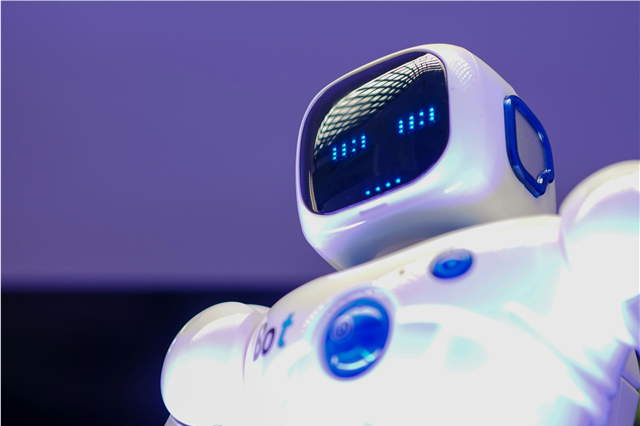
Surgical Precision: Robot Surgeons Steal the Spotlight
Did you know? The da Vinci Surgical System has performed over 10 million surgeries globally since 2000. These robotic surgeons can make incisions as small as 1-3 millimeters – that's thinner than a pencil lead! With 360-degree maneuverability and tremor-free precision, robot-assisted surgeries reduce patient recovery time by up to 60%.
Pharmacy Automation: Perfect Pills Every Time
Robot assistants in pharmacy settings are revolutionizing medication management. Automated dispensing robots can fill prescriptions with 99.9% accuracy, reducing medication errors that affect over 1.5 million Americans annually. Some pharmacy robots can process over 1,000 prescriptions per hour – that's one every 3.6 seconds!
Elderly Care Companions: Fighting Loneliness with Technology
Meet PARO – the therapeutic robot seal that's helping dementia patients worldwide. Studies show that robot companions can reduce anxiety levels in elderly patients by up to 60% and decrease the need for sedative medications by 25%. These emotional support robots never tire, never judge, and provide 24/7 companionship.
Rehabilitation Robotics: Getting Patients Back on Their Feet
Robotic exoskeletons are helping paralyzed patients walk again. The ReWalk Personal System has enabled thousands of individuals with spinal cord injuries to stand and walk independently. Rehabilitation robots provide consistent, measurable therapy sessions that human therapists simply cannot match in terms of repetition and precision.
Hospital Logistics: Robot Delivery Services
Hospitals are deploying robot assistants for everything from meal delivery to linens transport. These mobile robots navigate hospital corridors autonomously, reducing staff workload by up to 30% and freeing up nurses to focus on direct patient care. Some hospital robots can even ride elevators and avoid obstacles using advanced sensors.
Sterilization Robots: Invisible Protection
UV-C disinfection robots are eliminating hospital-acquired infections (HAIs) that affect 1 in 31 hospital patients daily. These robotic sanitizers can eliminate 99.9% of bacteria and viruses, including antibiotic-resistant superbugs. A single sterilization robot can disinfect a patient room in 15 minutes – compared to 45 minutes for manual cleaning.
Telemedicine Robots: Bridging Distance Gaps
Telepresence robots are bringing specialist care to rural communities. These remote-controlled robots allow doctors to conduct virtual consultations, monitor patients, and even perform basic examinations from hundreds of miles away. During the pandemic, telemedicine robot usage increased by 300%.
Laboratory Automation: Speeding Up Diagnostics
Robotic laboratory assistants are processing blood tests, DNA samples, and other diagnostics at unprecedented speeds. Some lab robots can analyze over 1,500 blood samples per hour – that's 36,000 samples in a 24-hour period! This acceleration means faster diagnoses and quicker treatment decisions.
Mental Health Support: Non-Judgmental Listeners
AI-powered mental health robots are providing initial screening and support for patients experiencing anxiety, depression, and PTSD. These robots can detect emotional cues and respond appropriately, offering 24/7 mental health support without the stigma often associated with seeking help.
Emergency Response: First Aid Robots
Some hospitals are deploying robot assistants capable of providing basic first aid and emergency response. These robots can carry emergency supplies, guide patients to appropriate locations, and even provide basic CPR instructions to bystanders.
Patient Monitoring: Vigilant Digital Nurses
Wearable robot assistants and monitoring systems track patient vitals continuously, alerting medical staff to potential issues before they become critical. These systems can detect early warning signs of sepsis, heart attacks, and other life-threatening conditions with 85% accuracy.
Physical Therapy: Consistent Rehabilitation Partners
Robotic physical therapy assistants provide consistent, personalized rehabilitation programs that adapt in real-time to patient progress. These robots can track range of motion, provide resistance training, and measure improvement with scientific precision that human observation cannot match.
Medication Management: Smart Pill Dispensers
Smart robot assistants help patients with chronic conditions manage complex medication schedules. These systems can store multiple medications, dispense precise doses at scheduled times, and send alerts to both patients and healthcare providers about missed doses or potential interactions.
Wound Care: Gentle Healing Assistants
Specialized robot assistants are now helping with wound care and dressing changes. These robots can clean wounds with precise pressure and technique, reducing pain and infection risk while providing consistent care that promotes faster healing.
Future Applications: What's Coming Next?
The future of healthcare robotics is incredibly exciting. Researchers are developing:
- Microbots that can travel through the bloodstream to deliver targeted treatments
- AI-powered diagnostic robots that can detect diseases earlier than human doctors
- Robotic prosthetics controlled by thought alone
- Emotional intelligence robots for autism therapy
The Bottom Line: Robots as Healthcare Heroes
Robot assistants in healthcare aren't replacing human compassion – they're amplifying it. By handling routine tasks, providing precision where needed, and offering consistent support, these digital helpers are allowing healthcare professionals to focus on what they do best: caring for patients with empathy and expertise.
The integration of robot assistants in healthcare settings represents one of the most significant technological advances in medical history. As these systems continue to evolve, they promise to make healthcare more accessible, accurate, and efficient than ever before.


