
What are the benefits of industrial automation in improving energy management?
In today's rapidly evolving industrial landscape, energy efficiency isn't just good for the environment—it's essential for profitability and competitiveness. But did you know that industrial automation could be the game-changer your facility needs to transform its energy management strategy?
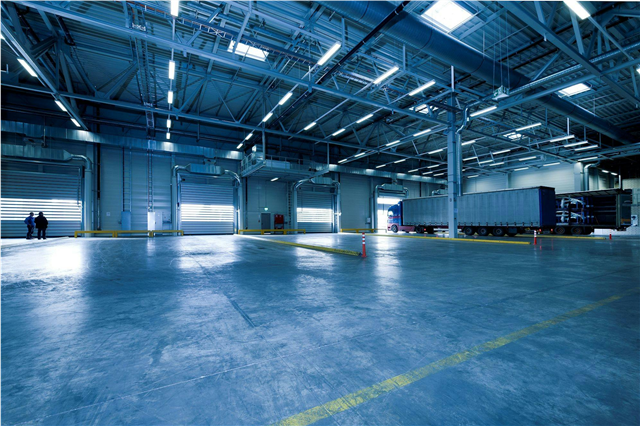
Let's explore how smart automation technologies are revolutionizing energy consumption across manufacturing and industrial operations.
The Energy Crisis in Manufacturing
Did you know that industrial facilities consume approximately 37% of global electricity? Even more staggering—studies show that 15-30% of industrial energy is wasted due to inefficient processes and poor management. This waste translates to billions of dollars lost annually while contributing significantly to carbon emissions.
How Automation Transforms Energy Management
Real-Time Monitoring: The Eyes of Efficiency
Modern industrial automation systems can monitor energy consumption down to the millisecond level. This precision allows facilities to identify energy spikes, inefficient equipment, and optimization opportunities that would be impossible to detect manually.
Fun fact: A single automated monitoring system can track thousands of data points simultaneously—equivalent to having a team of 50 energy analysts working 24/7!
Predictive Maintenance: Preventing Energy Waste
Automation enables predictive maintenance through sensors and AI algorithms that can predict equipment failures 7-10 days in advance. When machinery operates at peak efficiency, energy consumption drops by 15-25% compared to equipment running with undetected issues.
Smart Load Management
Automated systems can shift energy-intensive processes to off-peak hours, taking advantage of lower electricity rates. Some facilities using smart load management have reduced their energy costs by up to 30% while maintaining production schedules.
Key Benefits Backed by Data
1. Significant Cost Reduction
- Average energy cost savings: 20-40%
- Reduced maintenance costs: 25-35%
- Lower labor costs for energy management: 50-70%
2. Enhanced Sustainability
- Carbon footprint reduction: 15-50%
- Improved renewable energy integration
- Better compliance with environmental regulations
3. Operational Excellence
- Equipment efficiency improvement: 10-30%
- Reduced downtime through proactive management
- Better resource allocation and planning
Industry-Specific Success Stories
Manufacturing Sector
A leading automotive manufacturer implemented automated energy management systems and saw:
- 28% reduction in energy consumption
- $2.3 million annual savings
- 35% improvement in equipment uptime
Food Processing Industry
Food processing facilities using automation report:
- 22% energy savings during peak production
- Better temperature control reducing waste
- 40% faster response to energy price fluctuations
Chemical Processing
Chemical plants have achieved:
- 35% reduction in steam consumption
- Improved process heating efficiency
- Better integration of waste heat recovery systems
The Technology Behind the Magic
IoT Sensors and Smart Meters
Modern facilities deploy thousands of IoT sensors that continuously collect energy data. These sensors are 100 times more accurate than traditional meters and provide insights that were previously impossible to obtain.
Artificial Intelligence and Machine Learning
AI algorithms can analyze years of energy consumption patterns in minutes, identifying savings opportunities that human analysts might miss for decades. Some AI systems improve their recommendations by 2-5% monthly as they learn from new data.
Cloud-Based Energy Management Platforms
Cloud solutions enable facilities to access real-time energy data from anywhere, allowing for immediate adjustments and strategic planning based on current market conditions.
The Future is Bright (and Efficient)
Integration with Renewable Energy
Automated systems excel at managing renewable energy sources like solar and wind. They can predict energy generation based on weather forecasts and automatically adjust operations to maximize renewable energy usage.
Blockchain for Energy Trading
Emerging blockchain technologies allow facilities with automated energy management systems to sell excess energy back to the grid or trade with neighboring facilities, creating additional revenue streams.
Getting Started with Industrial Automation
Assessment Phase
Most facilities can expect to see a return on investment within 12-18 months after implementing comprehensive energy automation systems. The initial assessment typically reveals savings opportunities worth 3-5 times the implementation cost.
Scalable Implementation
Automation doesn't require an all-or-nothing approach. Facilities can start with simple monitoring systems and gradually expand to full predictive management, making the transition both manageable and profitable.
The Bottom Line
Industrial automation in energy management isn't just about technology—it's about creating intelligent systems that work smarter, not harder. The combination of real-time data, predictive analytics, and automated responses creates a powerful synergy that transforms how facilities consume and manage energy.
As energy costs continue to rise and sustainability becomes increasingly important, industrial automation stands out as one of the most effective tools for maintaining competitiveness while contributing to a more sustainable future.
The question isn't whether your facility can afford to implement industrial automation for energy management—it's whether you can afford not to.
Author Bio: This article explores how industrial automation technologies are revolutionizing energy management in manufacturing facilities, backed by real-world data and industry insights. For facilities looking to reduce energy costs while improving sustainability, automation offers proven, measurable benefits.


