
What are the benefits of using a smart irrigation system in gardens?
Did you know that the average American household wastes nearly 10,000 gallons of water annually on inefficient irrigation? As climate change intensifies droughts and water restrictions become more common, gardeners worldwide are turning to revolutionary technology: smart irrigation systems. But what makes these systems so transformative, and why are they becoming essential for modern gardening?
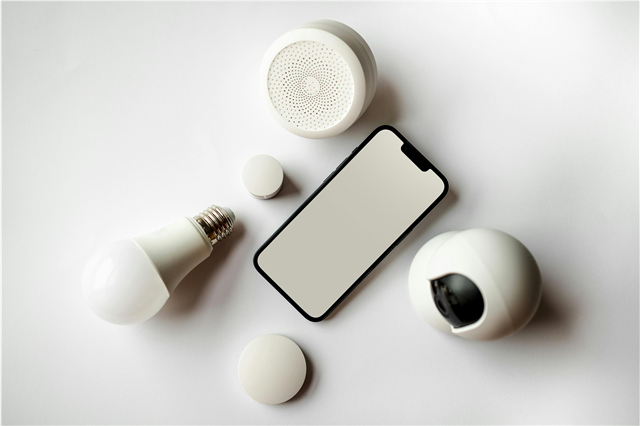
What Exactly is a Smart Irrigation System?
Smart irrigation systems are cutting-edge watering solutions that use sensors, weather data, and artificial intelligence to deliver the precise amount of water your garden needs, when it needs it. Unlike traditional sprinklers that operate on timers, smart systems adapt in real-time to environmental conditions.
Fun fact: These systems can reduce water usage by up to 50% while keeping your garden healthier than ever before.
The Top Benefits That Are Changing Gardening Forever
1. Dramatic Water Conservation
Water scarcity affects over 2 billion people globally, making conservation crucial. Smart irrigation systems can save between 30-70% more water than conventional methods by:
- Adjusting watering schedules based on rainfall
- Detecting soil moisture levels
- Preventing overwatering during humid conditions
Mind-blowing statistic: If every American home used smart irrigation, we could save enough water to fill 1.2 million Olympic swimming pools annually.
2. Healthier Plants, Less Effort
Gone are the days of brown patches or waterlogged soil. Smart systems provide:
- Root-level watering that promotes stronger plant growth
- Customized zones for different plant types
- Disease prevention by avoiding leaf wetness during evening hours
Professional landscapers report up to 40% improvement in plant health within the first growing season of installation.
3. Substantial Cost Savings
The initial investment pays for itself through:
- Reduced water bills (save $100-300 annually on average)
- Lower maintenance costs due to fewer plant replacements
- Avoiding municipal watering fines in drought-restricted areas
Economic insight: Most systems pay for themselves within 2-3 years through water savings alone.
4. Time Freedom and Convenience
Smart irrigation systems connect to your smartphone, allowing you to:
- Monitor and control watering from anywhere
- Receive alerts about system performance
- Automatically adjust for weather changes
- Schedule seasonal modifications
Busy professionals report saving 5-10 hours monthly on garden maintenance tasks.
Technology Features That Make the Difference
Weather Intelligence
Modern systems integrate with meteorological databases, automatically pausing irrigation before rain and adjusting schedules based on:
- Temperature forecasts
- Humidity levels
- Wind speed and direction
- Seasonal evapotranspiration rates
Soil Monitoring Sensors
Embedded sensors measure moisture content at various soil depths, ensuring:
- Optimal hydration for shallow-rooted plants
- Prevention of waterlogging in clay soils
- Adequate moisture for deep-rooted trees
Smart Controllers with AI
Advanced systems learn from usage patterns and environmental data, becoming more efficient over time. Some models can even:
- Predict optimal watering times
- Identify potential system issues before they occur
- Adapt to microclimate variations within your garden
Environmental Impact Beyond Water Savings
Smart irrigation systems contribute to environmental sustainability by:
- Reducing runoff pollution that contaminates local waterways
- Decreasing energy consumption from water pumping
- Supporting local ecosystems through responsible water use
- Minimizing chemical fertilizer needs due to improved plant health
Environmental fact: Efficient irrigation can reduce fertilizer runoff by up to 35%, protecting aquatic ecosystems from harmful algal blooms.
Return on Investment: Numbers That Surprise
| Benefit | Annual Savings | Payback Period |
|---|---|---|
| Water Bills | $150-400 | 1-3 years |
| Plant Replacement | $200-500 | 2-4 years |
| Municipal Fines | $100-300 | 1-2 years |
| Time Savings | Invaluable | Immediate |
Choosing the Right Smart System
When selecting your smart irrigation solution, consider:
For Small Gardens (Under 5,000 sq ft)
- Smart hose timers and drip systems
- Bluetooth-enabled controllers
- Basic weather sensors
For Large Properties (Over 5,000 sq ft)
- Professional-grade smart controllers
- Multiple zone sensors
- Integrated weather stations
Budget-Friendly Entry Points
- Smart sprinkler controllers ($150-400)
- Soil moisture sensors ($50-150)
- Weather-based scheduling apps
Real-World Success Stories
Residential Case Study: The Johnson family in Phoenix, Arizona reduced their water bill from $180 to $75 monthly while their garden thrived through the summer heat.
Commercial Application: A California vineyard increased grape yield by 25% while using 40% less water after implementing smart irrigation across 50 acres.
The Bottom Line
Smart irrigation systems represent one of the most significant advancements in horticultural technology since the invention of drip irrigation in the 1960s. With global water demand projected to exceed supply by 40% by 2030, these systems aren't just convenient—they're becoming essential.
Whether you're a weekend gardener or a professional landscaper, smart irrigation offers measurable benefits that extend far beyond simple convenience. From substantial cost savings to environmental stewardship, the question isn't whether you can afford to install a smart irrigation system—it's whether you can afford not to.
Ready to join the smart watering revolution? The future of gardening is here, and it's both intelligent and sustainable.


