
What are the common uses of cement in construction?
Cement is literally the foundation of our modern world, but most people don't realize just how versatile and essential this remarkable building material truly is. From the roads you drive on to the bridges you cross, cement plays a starring role in nearly every aspect of construction. Let's uncover the fascinating ways cement shapes our built environment!
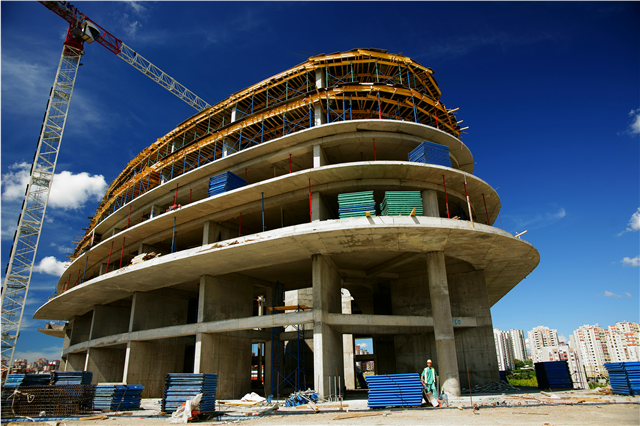
The Magic Behind the Mix
Before diving into cement's applications, it's worth noting that cement itself is just one component of concrete—the world's most widely used building material. When combined with water, sand, and gravel, cement becomes concrete, which accounts for approximately 8% of global CO2 emissions. But don't let that statistic overshadow its incredible versatility!
15 Eye-Opening Uses of Cement in Construction
1. Highway Heroes ?️
Did you know that cement concrete pavements can last 30-40 years with minimal maintenance? That's why many highways, especially in Europe and North America, are built with cement rather than asphalt. These durable surfaces can handle heavy truck traffic and extreme weather conditions far better than their asphalt counterparts.
2. Skyscraper Skeletons ?️
Modern skyscrapers rely heavily on cement-based materials for their structural integrity. High-strength concrete can now reach compressive strengths of over 20,000 psi (pounds per square inch), making it possible to build towers that soar hundreds of stories into the sky.
3. Bridge Builders ?
The world's longest bridge, the Danyang-Kunshan Grand Bridge in China, stretches 102.4 miles and is built primarily with cement-based materials. Cement's ability to withstand compression forces makes it ideal for bridge construction, where structures must bear enormous loads.
4. Dam Dependence ?
Massive hydroelectric dams like the Hoover Dam contain over 3.25 million cubic yards of concrete. These structures demonstrate cement's ability to create watertight barriers that can hold back entire lakes while generating clean energy.
5. Underground Marvels ⛏️
Subway systems worldwide depend on cement for tunnel construction. Special waterproof concrete formulations are used to create tunnels that remain dry hundreds of feet underground, sometimes for decades.
6. Airport Runway Requirements ?
Commercial airport runways must be able to support aircraft weighing up to 1.2 million pounds. Cement concrete pavements provide the necessary strength and durability, with many runway surfaces designed to last 25-30 years under constant heavy use.
7. Residential Revolution ?
While many homes use wood framing, cement-based products are everywhere in residential construction. From concrete foundations and driveways to cement board siding and tile backer boards, the average home contains several tons of cement materials.
8. Decorative Design Elements ?
Modern architecture increasingly uses exposed concrete as a design feature. This technique, called "architectural concrete" or "decorative concrete," creates stunning visual effects in everything from countertops to exterior facades.
9. Pre-cast Construction Solutions ?
Many building components are manufactured in factories using cement-based materials. Pre-cast concrete panels, beams, and columns allow for faster construction times and consistent quality control.
10. Infrastructure Essentials ?
Sidewalks, curbs, gutters, and streetlights bases are all made with cement concrete. These often-overlooked elements form the backbone of urban infrastructure and typically last 20-40 years with proper maintenance.
11. Industrial Strength Applications ?
Factories, warehouses, and industrial facilities rely on cement floors that can withstand heavy machinery, chemical spills, and constant traffic. Special formulations can even create static-dissipative or explosion-proof surfaces.
12. Water Management Systems ?️
Storm drains, culverts, and water treatment facilities extensively use cement-based materials. Special cement formulations can even neutralize acidic water, making them essential for environmental protection.
13. Marine Marvels ?
Seawalls, docks, and marine structures use special salt-resistant cement formulations. These materials must withstand constant exposure to ocean water and wave action while maintaining structural integrity for decades.
14. Energy Sector Applications ⚡
Power plants, wind turbine foundations, and oil drilling platforms all depend on cement's strength and durability. Nuclear power plants, in particular, rely on special radiation-resistant concrete formulations.
15. Emergency and Military Construction ?️
Rapid-setting cement formulations allow military engineers to build airstrips, bunkers, and temporary structures in a matter of hours. These quick-setting materials have also been used in disaster relief efforts worldwide.
The Future of Cement Technology
The cement industry isn't resting on its laurels. New developments include:
- Self-healing concrete that can repair its own cracks using embedded bacteria
- Transparent concrete embedded with optical fibers for unique architectural applications
- Carbon-negative cement that actually absorbs more CO2 than it produces during manufacturing
- Ultra-high performance concrete with compressive strengths exceeding 30,000 psi
Why Cement Remains Irreplaceable
Despite numerous attempts to find alternatives, cement remains unmatched in construction for several key reasons:
- Unmatched compressive strength - nothing else can match concrete's ability to bear heavy loads
- Fire resistance - concrete can withstand temperatures up to 1,800°F
- Durability - properly designed concrete structures can last centuries
- Cost-effectiveness - cement is one of the most economical building materials available
- Versatility - from liquid pourable mixes to pre-formed panels, cement adapts to any application
The Bottom Line
From the foundation beneath your feet to the bridge you drive across, cement-based materials play an indispensable role in modern construction. As technology advances, we're seeing new applications emerge that were unimaginable just decades ago. Whether it's creating stunning architectural features or building the infrastructure that keeps our world connected, cement continues to prove why it's called the backbone of civilization.
Next time you walk down a sidewalk, drive over a bridge, or enter a building, take a moment to appreciate the cement that makes it all possible. This remarkable material has literally shaped our world—and will continue to do so for generations to come.
Ready to explore cement applications for your next project? Understanding these common uses can help you make informed decisions about materials, costs, and longevity for any construction venture.


