
What are the ingredients found in disinfectant products
In our increasingly germ-conscious world, disinfectants have become household essentials. But have you ever wondered what's actually in that bottle you're spraying around your home? The ingredients in disinfectant products are more fascinating than you might expect, with each component serving a specific purpose in the fight against harmful microorganisms.
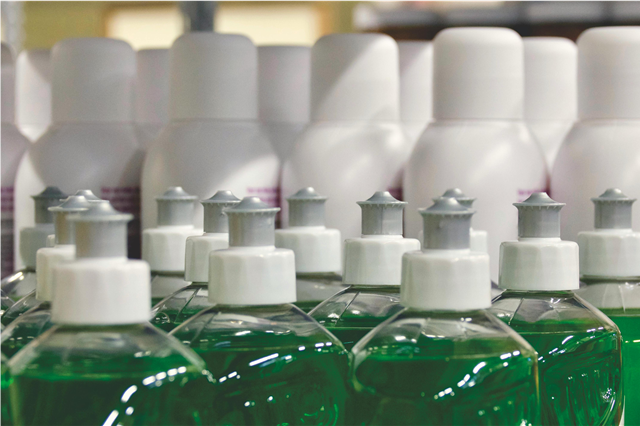
The Powerful Active Ingredients
1. Alcohol-Based Disinfectants: The Ancient Warrior Did you know that alcohol has been used as a disinfectant for over 2,000 years? Ethanol and isopropanol are the most common active ingredients, requiring concentrations between 60-80% to be truly effective. Below 60%, these ingredients lose their germ-killing power dramatically.
2. Bleach: The Chlorine Champion Sodium hypochlorite, the active ingredient in household bleach, has been protecting families since the 1800s. This powerful oxidizing agent breaks down cell walls of bacteria and viruses, making it one of the most effective disinfectants available. However, it's also one of the most reactive ingredients found in disinfectant products.
3. Quaternary Ammonium Compounds: The Invisible Army Often listed as "quats," these positively charged molecules attract negatively charged germs like magnets. They're particularly popular in commercial disinfectants because they're less corrosive than bleach and leave pleasant scents.
Surprising Supporting Ingredients
4. Hydrogen Peroxide: The Dual-Purpose Hero This ingredient can be found in both medical-grade disinfectants and household cleaners. It's unique because it breaks down into harmless water and oxygen, making it environmentally friendly compared to other harsh chemicals.
5. Phenolic Compounds: Nature's Inspiration Many modern phenolic disinfectants are derived from thymol, found naturally in thyme oil. These ingredients have been modified in laboratories to create more potent antimicrobial agents that are surprisingly gentle on surfaces.
6. The Scent Science Fragrance ingredients in disinfectants do more than smell pleasant. Many contain essential oils like eucalyptus or pine, which have their own antimicrobial properties. In fact, some studies suggest that certain fragrances can enhance the overall effectiveness of disinfection by up to 15%.
7. Surfactants: The Hidden Helpers These ingredients reduce surface tension, allowing disinfectants to spread evenly and penetrate biofilms where germs hide. Without surfactants, many disinfectant products would simply bead up and roll off surfaces instead of providing thorough coverage.
The Chemical Cocktail: How Ingredients Work Together
8. pH Balancers: Maintaining Effectiveness Did you know that the pH level can determine whether your disinfectant works at all? Most effective disinfectants have specific pH requirements. Ingredients like sodium hydroxide or citric acid are added to maintain optimal pH levels, ensuring maximum germ-killing power.
9. Stabilizers: Preserving Potency The average shelf life of properly formulated disinfectants is 1-2 years, thanks to stabilizing ingredients that prevent active components from breaking down. Without these preservatives, your disinfectant could lose effectiveness within months.
Health and Safety Considerations
10. The Double-Edged Sword Many of the most effective ingredients found in disinfectant products are also potentially harmful if misused. This is why safety warnings and proper usage instructions are so crucial. For example, mixing bleach with ammonia creates toxic chloramine gases that can be deadly.
11. Allergy Awareness Surprisingly, up to 15% of the population has allergic reactions to common disinfectant ingredients. This has led to the development of hypoallergenic formulations that use gentler alternatives like accelerated hydrogen peroxide.
Environmental Impact
12. Biodegradable Breakthroughs Modern disinfectants increasingly contain ingredients designed to break down safely in the environment. Some newer formulations decompose completely within 24-48 hours, leaving no harmful residues behind.
13. The Concentration Game Most commercial disinfectants contain only 5-10% active ingredients, with the remainder being water and supportive compounds. This dilution makes them safer to handle while maintaining effectiveness.
Regulatory Oversight
14. EPA Approval Process Every ingredient found in disinfectant products sold in the United States must be registered with the Environmental Protection Agency. This approval process can take 3-5 years and requires extensive testing to prove both efficacy and safety.
15. The Future of Disinfectant Chemistry Cutting-edge disinfectants now incorporate nanotechnology and enzyme-based ingredients that can target specific pathogens while being gentle on surfaces and the environment. These next-generation formulations represent the most significant advancement in disinfectant chemistry in decades.
Making Informed Choices
Understanding the ingredients in disinfectant products empowers you to make better choices for your family and environment. Whether you're selecting a product for everyday cleaning or emergency disinfection, knowing what's in the bottle helps ensure you get the right tool for the job.
The next time you reach for that familiar spray bottle, remember: you're not just using a cleaner – you're applying a carefully engineered mixture of chemistry and science designed to protect your health and safety.
Always read product labels carefully and follow manufacturer instructions for safe and effective use of all disinfectant products.


