
What are the uses of electric vehicles for ride sharing services
As cities worldwide grapple with pollution and sustainability challenges, the marriage between electric vehicles (EVs) and ride-sharing services is transforming how we think about urban mobility. Here are seven fascinating facts that reveal why EVs are becoming the backbone of modern ride-sharing operations.
1. Cost Savings That Add Up Fast
Ride-sharing drivers using electric vehicles can save up to 70% on fuel costs compared to traditional gasoline vehicles. With electricity averaging $0.12-0.18 per kWh versus $3-4 per gallon of gas, an EV driver covering 50,000 miles annually can save $8,000-12,000 yearly. This translates to thousands of dollars in profit over the vehicle's lifetime, making EVs incredibly attractive for high-mileage ride-sharing operations.
2. Silent Revolution in Passenger Experience
Electric vehicles produce 90% less noise than conventional cars, creating a dramatically different passenger experience. Studies show that riders in EVs report 23% higher satisfaction scores due to the quiet, smooth ride quality. This premium experience is helping ride-sharing companies differentiate their services while attracting environmentally conscious customers willing to pay slightly higher fares.
3. Ultra-Fast Charging Networks Are Expanding Rapidly
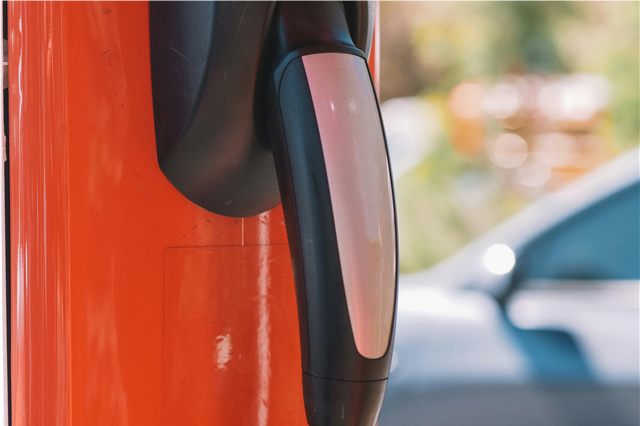
Modern DC fast-charging stations can replenish an EV's battery to 80% capacity in just 20-30 minutes. Major ride-sharing companies are partnering with charging networks to provide exclusive charging stations for drivers, with some locations offering charging speeds of up to 350 kW. This means drivers spend less time away from earning opportunities and more time on the road.
4. Carbon Footprint Reduction at Scale
Uber and Lyft report that their electric vehicle fleets produce 60-75% fewer emissions per ride compared to traditional vehicles. In cities like Los Angeles, where 15% of ride-sharing vehicles are now electric, this translates to removing thousands of tons of CO2 from the atmosphere annually. Some cities offer carbon credit programs, providing additional revenue streams for EV drivers.
5. Smart Integration with Renewable Energy Grids
EV ride-sharing vehicles are becoming mobile energy storage units through vehicle-to-grid (V2G) technology. During off-peak hours, these vehicles can feed energy back into the grid, earning drivers $100-300 monthly in some regions. This innovative approach turns idle vehicles into profit-generating assets while supporting renewable energy integration.
6. Government Incentives Fuel Adoption
From federal tax credits up to $7,500 to local rebates exceeding $10,000, government incentives are making EV adoption irresistible for ride-sharing drivers. Cities like San Francisco and New York offer additional perks including HOV lane access, reduced parking fees, and priority airport pickup zones—benefits worth thousands of dollars annually.
7. Maintenance Costs Plunge 40%
Electric vehicles have 90% fewer moving parts than internal combustion engines, resulting in dramatically reduced maintenance costs. No oil changes, fewer brake replacements (thanks to regenerative braking), and minimal mechanical wear mean EV ride-sharing drivers save $1,500-2,500 annually on maintenance. Some EVs require only one-fifth the maintenance of traditional vehicles.
The Road Ahead for EV Ride Sharing
The integration of electric vehicles in ride-sharing services represents more than just a technological shift—it's a fundamental transformation of urban transportation economics. With battery costs dropping 85% since 2010 and continuing to decline, the total cost of ownership for EVs is now competitive with, or cheaper than, traditional vehicles for ride-sharing applications.
Major ride-sharing platforms are investing billions in EV infrastructure and incentives. Lyft aims for 100% electric vehicles by 2030, while Uber plans to have 100,000 electric vehicles on its platform by 2025. These commitments, combined with increasing consumer demand for sustainable transportation options, make EV adoption in ride-sharing not just environmentally responsible but economically inevitable.
The electrification of ride-sharing services isn't coming—it's already here, and it's reshaping urban mobility one ride at a time, one silent mile at a time, and one satisfied passenger at a time.
Ready to join the EV ride-sharing revolution? With costs plummeting, incentives soaring, and passenger satisfaction hitting new highs, the question isn't whether electric vehicles will dominate ride-sharing—it's how quickly you'll want to be part of this transformative movement.


