
What are the uses of food coloring in decorating cakes and cookies?
Food coloring isn't just about making your desserts look pretty – it's an essential tool that transforms ordinary baked goods into edible masterpieces. From birthday celebrations to professional bakery displays, these vibrant hues play a crucial role in cake and cookie decoration. Let's explore the fascinating world of food coloring and discover how it elevates our favorite treats.
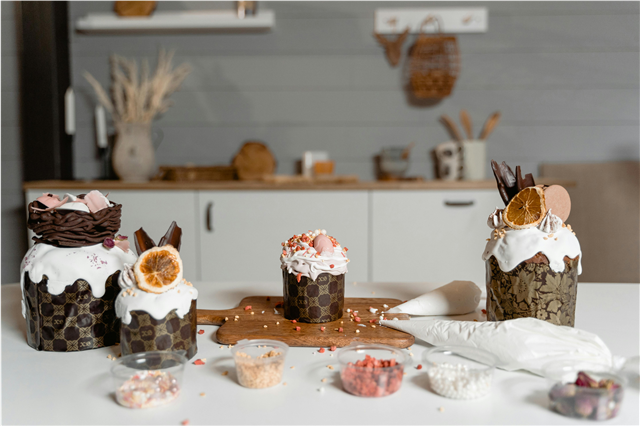
The Magic Behind the Colors
1. Natural vs. Artificial: The Great Debate
Did you know that food coloring comes in both natural and artificial forms? Natural options include beet juice (reds), turmeric (yellows), and spirulina (blues), while artificial dyes offer more vibrant, consistent results. Professional bakers often prefer artificial colors for their intensity and stability, but home decorators are increasingly turning to natural alternatives for health-conscious creations.
2. The Science of Color Psychology
Color significantly impacts how we perceive taste and flavor. Studies show that red foods taste sweeter, while blue can actually suppress appetite. When decorating cakes and cookies, strategic color choices can enhance the perceived flavor profile before anyone even takes a bite!
3. Achieving Professional-Grade Results
Professional cake decorators rely on food coloring for creating smooth, even color distribution. Gel-based colors are particularly popular because they don't alter the texture of frosting or dough, unlike liquid colors which can make icings too runny.
Creative Applications in Cake and Cookie Decorating
4. Buttercream and Fondant Transformation
Food coloring allows decorators to create custom shades for buttercream frosting, achieving everything from subtle pastels to bold jewel tones. Fondant work particularly benefits from concentrated colorants, enabling smooth, vibrant coverage without affecting the pliable texture needed for detailed sculpting.
5. Marbling and Ombre Effects
Skilled bakers use multiple colors to create stunning marbled effects in buttercream or achieve gradual color transitions in ombre cakes. These techniques require careful color planning and precise mixing ratios – skills that separate amateur from professional decorators.
6. Cookie Art Revolution
Modern cookie decorating has evolved into true artistry, with decorators using food coloring to paint intricate designs on sugar cookies. Royal icing, when properly colored, becomes a canvas for detailed patterns, characters, and seasonal designs that can last for weeks.
Technical Marvels of Food Coloring
7. Heat Stability and Baking Applications
High-quality food coloring maintains its vibrancy even during baking processes. This stability is crucial for colored batter cakes, rainbow layer creations, and cookies that require prolonged oven time. Professional-grade colors are specifically formulated to withstand temperatures up to 400°F without fading or changing hue.
8. Dust and Powder Applications
Powdered food coloring offers unique decorating possibilities, especially for achieving matte finishes on chocolate work or creating edible "dust" effects on cake surfaces. These dry colorants are particularly useful for achieving metallic or pearlescent finishes that liquid colors cannot replicate.
9. Airbrushing Techniques
Modern cake decorating incorporates airbrushing with food coloring sprays, allowing for smooth gradient effects, realistic textures, and professional finishes that were previously impossible to achieve with traditional methods.
Safety and Consideration Factors
10. Allergen Awareness and Alternatives
As consumer awareness grows, decorators must consider allergen-free and natural coloring options. Many professional bakeries now offer color-free alternatives or clearly label products containing artificial dyes, particularly important for children's parties and special dietary needs.
Beyond Basic Decoration
Food coloring extends far beyond simple tinting. Professional decorators use these colorants to create edible images, paint realistic details on sculpted cakes, and even produce edible glitter and pearls. The versatility of modern food coloring systems allows for techniques like reverse piping, where colored outlines define white-filled areas, creating dimension and visual interest.
Specialty colors like fluorescent dyes enable decorators to create vibrant neon effects perfect for trendy celebrations, while pearl and metallic colors add sophisticated elegance to wedding cakes and formal occasion desserts.
The Bottom Line
Food coloring remains an indispensable tool in cake and cookie decorating, offering unlimited creative possibilities while maintaining food safety standards. Whether you're a home baker experimenting with birthday cakes or a professional creating elaborate wedding displays, understanding the proper use of food coloring is essential for achieving stunning, Instagram-worthy results.
The key to successful colored decorating lies in choosing quality colorants, understanding color theory basics, and practicing proper techniques. With the right approach, food coloring transforms simple flour and sugar into edible art that delights both the eyes and taste buds.
Ready to elevate your baking game? Start with quality food coloring and watch your cakes and cookies transform from ordinary to extraordinary!


