
What are the uses of head gaskets in engine sealing?
When you start your car's engine, hundreds of intricate components work together in perfect harmony. Among these unsung heroes is a small but mighty component that plays a crucial role in your engine's performance: the head gasket. While most car owners rarely think about this critical seal, understanding what head gaskets are used for in engine sealing can save you from costly repairs and engine failures.
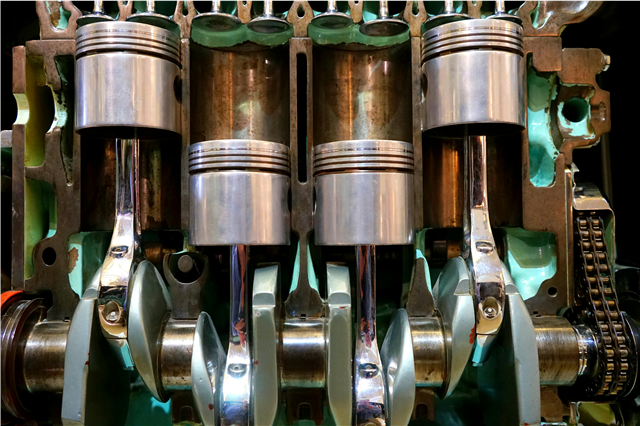
The Critical Role of Head Gaskets: More Than Just a Simple Seal
Head gaskets serve as the ultimate multi-tasking sealing solution in your engine, performing several vital functions that keep your vehicle running smoothly. These thin but robust components sit precisely between your engine block and cylinder head, creating an airtight barrier that maintains the integrity of your engine's combustion process.
7 Eye-Opening Facts About Head Gasket Functions
1. The Ultimate Three-Way Seal Master
Modern head gaskets are engineering marvels that simultaneously seal three different systems: combustion chambers, coolant passages, and oil galleries. This triple-threat sealing capability means a single head gasket failure can lead to multiple system compromises, making these components worth their weight in gold.
2. Temperature Warriors: Withstanding Extremes
Your head gasket operates in one of the most hostile environments in your vehicle, enduring temperatures that can exceed 400°F (204°C) while managing pressure levels that reach over 1,000 PSI. Despite these extreme conditions, a quality head gasket should maintain its seal for 100,000 miles or more under normal driving conditions.
3. Pressure Keepers: Maintaining Compression Magic
The combustion sealing function is perhaps the most critical use of head gaskets. These gaskets maintain compression pressure that can reach 150-200 PSI, ensuring fuel and air mixtures don't escape during the power stroke. Without proper sealing, your engine loses power, fuel efficiency plummets, and you'll notice a significant drop in performance.
4. Coolant Containment Specialists
Head gaskets prevent coolant from entering combustion chambers while ensuring coolant passages remain isolated from other engine systems. When this seal fails, you might see white exhaust smoke or coolant mysteriously disappearing from your radiator – classic signs your head gasket is crying for help.
5. Oil Leak Preventers: Keeping Fluids Where They Belong
The oil sealing function prevents engine oil from mixing with coolant or entering combustion chambers. A failed head gasket can turn your engine oil into a milkshake-like substance, indicating coolant contamination that can lead to catastrophic engine damage if not addressed promptly.
6. Material Science Marvels
Modern head gaskets utilize advanced materials like multi-layer steel (MLS), graphite, and specialized coatings to handle thermal expansion and contraction cycles. Some high-performance gaskets can flex up to 0.020 inches while maintaining their seal – that's engineering precision at its finest.
7. Cost-Saving Heroes
Replacing a head gasket costs between $1,000-$2,500, but catching problems early can prevent engine replacement costs that exceed $5,000-$10,000. The head gasket prevents catastrophic mixing of engine fluids that could otherwise require complete engine rebuilding or replacement.
Signs Your Head Gasket Needs Attention
Early detection is crucial for maintaining your engine's health. Watch for these warning signs:
- White or blue exhaust smoke
- Engine overheating
- Loss of coolant without visible leaks
- Bubbling in the radiator or coolant reservoir
- Milky oil appearance
- Rough engine idle or loss of power
The Bottom Line
Understanding the uses of head gaskets in engine sealing reveals just how critical these components are to your vehicle's longevity and performance. From maintaining compression to preventing fluid mixing, head gaskets work tirelessly to keep your engine running smoothly. Regular maintenance and prompt attention to warning signs can help ensure your head gasket continues protecting your engine investment.
The next time you turn your key and hear that smooth engine purr, remember there's a tiny but mighty head gasket working behind the scenes, sealing your engine's vital systems and keeping you safely on the road.
Key Takeaway: Head gaskets are the unsung heroes of engine sealing, providing critical multi-system protection that prevents costly engine damage. Understanding their uses helps car owners appreciate the complexity of modern engines and the importance of proper maintenance.


