
What are the uses of heavy machinery in oil and gas industry
From the smartphone in your pocket to the fuel that powers your car, the oil and gas industry touches nearly every aspect of modern life. But behind this energy empire lies a world of colossal machines that would make even the strongest construction workers tremble. Let's dive into the fascinating world of heavy machinery that keeps our energy flowing!
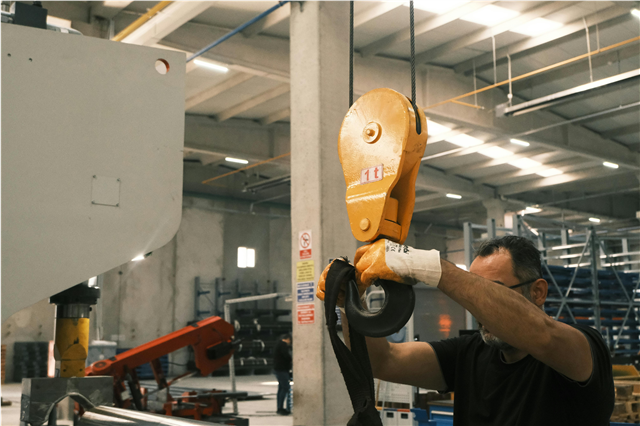
The Titans of Oil Extraction
1. Drilling Rigs: The Sky-Piercing Giants
Modern oil drilling rigs stand as tall as 200 feet – that's roughly the height of a 20-story building! These mechanical marvels can drill through layers of rock, steel, and earth to reach oil reserves located miles beneath the surface. The largest offshore drilling platforms weigh more than 50,000 tons, equivalent to about 25,000 cars combined.
2. Excavators: The Underground Architects
The hydraulic excavators used in oil field construction boast arms that can extend over 30 feet and dig holes deep enough to bury a four-story building. Some of the largest models can move up to 500 tons of earth in a single day – that's like relocating 250 average-sized cars every 24 hours.
Pipeline Powerhouses
3. Pipeline Laying Machines: Highway Builders of the Underground
The trenchers and pipe-laying machines used in oil pipeline construction can dig trenches up to 20 feet deep while simultaneously laying pipe at speeds of up to 2 miles per day. These machines are so massive they require their own heavy-haul trucks for transportation between job sites.
4. Hydraulic Fracturing Equipment: Rock Crushers Extraordinaire
Fracking pumps can generate pressures exceeding 15,000 PSI – that's more than 100 times the pressure in your car's tires! These pressure monsters can pump fluid at rates exceeding 100 barrels per minute, creating the fractures necessary to extract oil and gas from previously unreachable formations.
Refining and Processing Marvels
5. Crude Oil Distillation Columns: The Temperature Titans
In oil refineries, distillation columns can reach heights of over 100 feet and operate at temperatures exceeding 750°F. These massive structures separate crude oil into various components using heat and pressure, processing thousands of barrels per day with surgical precision.
6. Compressor Stations: Gas Propulsion Powerhouses
Natural gas compressor stations use turbines and reciprocating compressors that can move gas through pipelines at pressures up to 1,500 PSI. Some of the largest compressor stations can process over 1 billion cubic feet of natural gas daily – enough to power millions of homes.
Offshore Operations
7. Floating Production Platforms: Mobile Cities at Sea
Offshore oil production platforms are essentially floating cities, some larger than football fields, supporting crews of 150-200 people. These platforms house drilling equipment, living quarters, and processing facilities, all while maintaining operations in some of the world's harshest marine environments.
8. Subsea Robots: Deep-Sea Explorers
Remotely Operated Vehicles (ROVs) used in offshore operations can work at depths exceeding 10,000 feet below sea level. These underwater robots are equipped with manipulator arms that can lift objects weighing several tons and perform precision maintenance on subsea equipment.
Transportation Titans
9. Oil Tanker Fleets: Liquid Cargo Carriers
The world's largest oil tankers, called Ultra Large Crude Carriers (ULCCs), can carry over 4 million barrels of oil and measure more than 1,200 feet in length. If these ships were placed end-to-end, they could span nearly 25 city blocks!
10. Pipeline Inspection Gauges: The Metal Travelers
Smart pigs (pipeline inspection gauges) travel through oil and gas pipelines at speeds of 3-5 miles per hour, using sophisticated sensors to detect corrosion, cracks, and other pipeline integrity issues. Some pigs are equipped with GPS tracking and can travel hundreds of miles through underground pipelines.
Emergency Response Equipment
11. Blowout Preventers: The Safety Guardians
These massive safety devices, weighing up to 200 tons, can seal off an oil well in less than 45 seconds during emergency situations. The hydraulic rams in blowout preventers can generate closing forces exceeding 300 tons – enough power to stop a charging elephant in its tracks!
12. Oil Spill Response Equipment: Environmental Hero Machines
Specialized oil spill cleanup equipment includes skimming vessels that can recover up to 3,000 barrels of oil per hour from water surfaces, and vacuum trucks that can suction oil from land-based contamination sites with capacities exceeding 4,000 gallons per load.
Maintenance and Construction
13. Cranes: The Heavy Lift Champions
Oil refinery construction requires cranes capable of lifting loads exceeding 3,000 tons – that's like lifting 1,500 mid-size cars simultaneously! These engineering giants can reach heights of over 400 feet and perform precision lifts with accuracy measured in millimeters.
14. Welding Robots: Precision Metal Masters
Automated welding systems in oil and gas fabrication can work continuously for 24 hours, creating welds with precision that exceeds human capabilities. Some welding robots can operate in environments too dangerous for humans, such as inside large storage tanks or underwater.
15. Caterpillar Equipment: The Workhorse Fleet
Caterpillar alone supplies over 60% of the world's oil and gas industry earthmoving equipment. Their largest mining trucks can carry payloads exceeding 400 tons – equivalent to the weight of 4 million smartphone batteries!
The Future is Electric(ally Powerful)
As the industry evolves, electric and hybrid versions of traditional heavy machinery are emerging, promising reduced emissions while maintaining the tremendous power needed for oil and gas operations. These technological advances ensure that heavy machinery will continue to be the backbone of energy production for years to come.
The next time you fill up your gas tank or flip a light switch, remember these mechanical giants working tirelessly beneath the surface, making modern life possible one barrel at a time. From microscopic sensors in smart pigs to massive offshore platforms spanning football fields, the heavy machinery of the oil and gas industry truly represents some of humanity's most impressive engineering achievements.


