
What are the uses of UAVs in disaster response and emergency situations?
When disaster strikes, every second counts. From earthquakes that level cities to hurricanes that flood entire regions, emergency responders need fast, accurate information to save lives. Enter the unsung heroes of modern disaster response: Unmanned Aerial Vehicles (UAVs), better known as drones. These flying robots aren't just for hobbyists anymore – they're revolutionizing how we respond to emergencies worldwide.
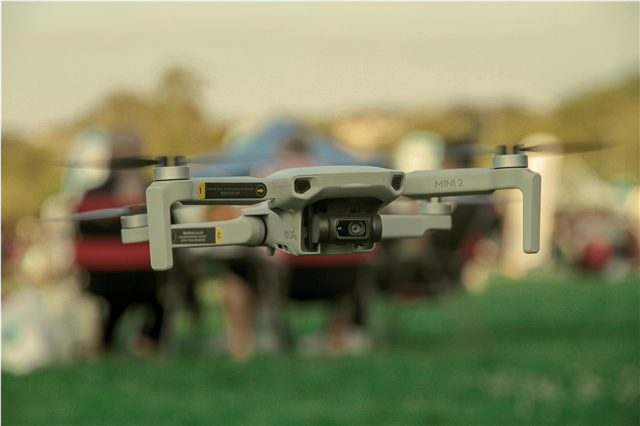
The Eye in the Sky: Why Drones Excel in Disasters
Before we dive into the fascinating applications, let's understand why drones are perfect for emergency situations. Unlike traditional aircraft, drones can fly into dangerous areas without risking human pilots. They're cost-effective, deployable within minutes, and can access places that would be impossible for ground teams to reach quickly.
Quick Fact: A drone can be airborne within 5 minutes of arrival on scene, while a helicopter might take 30+ minutes to prepare and launch.
1. Immediate Damage Assessment – The First 30 Minutes Matter
In the critical window following a disaster, knowing what's damaged and where is crucial. Drones equipped with high-resolution cameras can survey entire neighborhoods in minutes, identifying collapsed buildings, blocked roads, and areas of greatest need.
During the 2015 Nepal earthquake, drones mapped over 2,500 square kilometers in just 48 hours – a task that would have taken weeks using traditional ground surveys.
2. Search and Rescue Operations That Defy Gravity
Lost hikers in dense forests, survivors trapped under rubble, missing persons in flood zones – drones are finding people in places that seemed impossible to search effectively.
Modern search drones use thermal imaging to detect body heat, even through debris or in complete darkness. They can spot a person from 400 feet away and cover 36 times more ground than ground search teams alone.
Mind-Blowing Stat: Drones have helped locate over 1,200 missing persons in the U.S. alone since 2013, with a success rate often exceeding 90% in favorable conditions.
3. Delivering Life-Saving Supplies to the Inaccessible
Sometimes the most critical challenge isn't finding survivors – it's reaching them. When roads are blocked, bridges destroyed, or terrain too dangerous for human delivery teams, drones become flying ambulances.
In Rwanda, medical drones routinely deliver blood supplies to remote clinics in just 30 minutes – a journey that previously took several hours by vehicle. During Hurricane Maria in Puerto Rico, drones delivered medical supplies to isolated communities when no other transport was possible.
4. Real-Time Communication Lifelines
Disasters often destroy communication infrastructure, leaving survivors isolated and unable to call for help. Communication relay drones can quickly establish temporary communication networks, connecting emergency teams and allowing survivors to reach the outside world.
These "cell towers in the sky" can provide cellular coverage to areas of roughly 30 square miles, potentially saving lives by enabling rescue coordination and allowing families to reconnect.
5. Hazardous Environment Reconnaissance
Floodwaters hiding dangerous debris, buildings at risk of collapse, chemical spill zones, radiation areas – drones can safely enter these deadly environments to gather critical information.
Firefighting drones equipped with thermal cameras can fly directly into burning buildings or over wildfire perimeters, identifying hot spots and structural weaknesses that human eyes could never safely assess.
6. Infrastructure Inspection Without Risk
After disasters, checking the safety of bridges, power lines, dams, and buildings is essential but dangerous work. Drones can inspect infrastructure from every angle, getting close-up views of damage that would require risky human climbing or expensive helicopter flights.
This technology has proven invaluable in post-earthquake scenarios, where engineers use drone footage to determine which buildings are safe to re-enter and which need immediate demolition.
7. Crowd Monitoring and Traffic Management
Large-scale disasters often create chaos – evacuations that turn into traffic jams, displaced populations that need temporary sheltering, panic that can lead to dangerous stampedes.
Drones provide aerial oversight of these situations, helping emergency managers make real-time decisions about traffic flow, shelter locations, and resource allocation.
8. Environmental Disaster Response
Oil spills, toxic chemical releases, and other environmental disasters require rapid assessment and monitoring. Drones can safely collect air and water samples, map contamination spread, and monitor cleanup efforts without exposing humans to harmful substances.
During the Deepwater Horizon oil spill, drones were used extensively to monitor oil spread patterns and coordinate cleanup efforts across vast ocean areas.
9. Documenting Disaster for Recovery and Learning
Beyond immediate response, drones play a crucial role in post-disaster analysis. They create detailed 3D maps of damage patterns, helping scientists understand what happened and how to better prepare for future events.
This documentation is also crucial for insurance claims, federal disaster declarations, and long-term recovery planning.
10. Training and Simulation – Preparing for Tomorrow's Disasters
Perhaps one of the most overlooked benefits: drones help emergency responders train for disasters without actual risk. Virtual reality systems using real drone footage create incredibly realistic training scenarios.
The Numbers Don't Lie: Drone Disaster Response by the Numbers
- $300 million: Estimated annual cost savings in disaster response through drone use
- 50 countries: Currently using drones for disaster management
- 95% reduction: In time required for damage assessment in some scenarios
- 200+ hours: Battery life of advanced emergency response drones in development
- 10kg payload: Maximum weight some emergency drones can carry over long distances
Looking to the Future: Tomorrow's Emergency Drones
The future promises even more amazing capabilities: AI-powered autonomous drones that can make decisions independently, swarming drones that work together like bee colonies, and specialized drones designed for specific disaster types.
Some researchers are developing drones that can transform – folding wings for tight spaces, changing shape to navigate debris, or even assembling into larger structures when needed.
The Bottom Line: Drones Are Here to Stay in Emergency Response
From their humble beginnings as military tools, drones have evolved into indispensable partners in saving lives and reducing suffering during disasters. As technology continues to advance and costs decrease, we're likely to see drone response teams become as common as ambulances in emergency services.
The next time you see a drone buzzing overhead during what seems like normal conditions, remember – it might just be preparing to save lives when the next disaster strikes.
Whether it's finding a lost child in the wilderness, delivering medicine to a remote village after a storm, or guiding rescue teams through a collapsed building, drones are proving that sometimes the most powerful tools for saving human lives come from the sky.
Emergency responders didn't just adopt drone technology – they revolutionized it for humanity's most critical moments. And that's a story worth watching as it unfolds.
Have you witnessed drone technology in action during an emergency? Share your experiences in the comments below – these stories help us all understand how technology is changing the world for the better, one rescue at a time.


