
What disinfectant products are best for schools and daycare centers
Keeping educational facilities and childcare environments clean and safe has never been more critical. With children spending 6-8 hours daily in close proximity, schools and daycare centers require specialized disinfection strategies that balance effectiveness with child safety.
The Science Behind Safe Disinfection
Did you know? The average school desk harbors 400 times more bacteria than a toilet seat. This staggering fact explains why choosing the right disinfectant isn't just about cleanliness—it's about protecting vulnerable immune systems.
EPA-Registered Disinfectants: Your Safety Net
The Environmental Protection Agency maintains strict standards for disinfectants used in educational settings. Only EPA-registered products can legally claim to kill specific pathogens, including:
- Influenza viruses
- Norovirus (stomach bugs)
- MRSA bacteria
- SARS-CoV-2 (COVID-19)
Fact: There are over 4,000 registered antimicrobial products, but only a fraction are suitable for school environments due to safety considerations.
Top Disinfectant Categories for Educational Facilities
1. Quaternary Ammonium Compounds (Quats)
These are the workhorses of school disinfection, offering:
- Broad-spectrum antimicrobial action
- Low toxicity when properly diluted
- Extended residual protection (up to 24 hours)
- Compatibility with most surfaces
Surprising statistic: Quats are 2.5 times more effective than bleach at killing bacteria on surfaces when used at proper concentrations.
2. Hydrogen Peroxide-Based Cleaners
Ideal for environmentally conscious facilities:
- Break down into water and oxygen
- No harmful residues
- Effective against viruses and bacteria in 1-3 minutes
- Safe for food contact surfaces
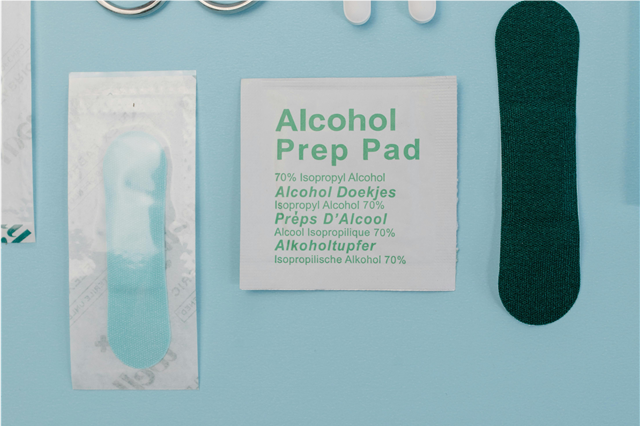
3. Alcohol-Based Solutions (70% Isopropyl Alcohol)
Perfect for high-touch areas:
- Rapid germ elimination (30-60 seconds)
- Effective evaporative action
- Safe for electronics and sensitive surfaces
- No rinsing required
Child-Safe Disinfection Strategies
Important fact: Children's immune systems don't fully mature until age 6, making proper disinfection in daycare settings absolutely crucial.
Safe Application Methods:
- Electrostatic sprayers can reduce cleaning time by 40% while ensuring even coverage
- Color-coded microfiber cloths prevent cross-contamination between areas
- Two-step cleaning process (clean first, then disinfect) is 85% more effective than one-step methods
Essential Products for Every School:
- Multi-surface disinfectant wipes for quick cleanups
- Hospital-grade disinfectant for restrooms and changing areas
- Food-safe sanitizer for cafeteria surfaces
- Germicidal floor cleaner for high-traffic areas
Timing and Frequency Guidelines
Research shows that peak germ transmission occurs between 10 AM-2 PM in schools. Strategic timing of disinfection during lunch periods and after-school cleaning can reduce illness transmission by up to 65%.
Daily Disinfection Schedule:
- Morning: High-touch surfaces (doorknobs, light switches, handrails)
- Mid-day: Restrooms, cafeteria tables, computer keyboards
- Evening: Comprehensive cleaning of all surfaces
Green Cleaning: Effective Without the Harm
Modern schools increasingly prefer eco-friendly options that don't compromise safety:
- Plant-based disinfectants are as effective as traditional chemicals
- pH-neutral cleaners protect surfaces while killing germs
- Concentrated formulas reduce packaging waste by 75%
Economic insight: Schools using green cleaning programs report 20% fewer sick days among staff and students.
Professional Tips for Maximum Effectiveness
Contact Time is Crucial
Most disinfectants require 3-10 minutes of wet contact time to be effective. Rushing through cleaning can leave 60% of pathogens alive.
Storage Safety
- Store all disinfectants in locked cabinets, out of children's reach
- Maintain proper ventilation in storage areas
- Keep products in original containers with clear labels
Training Requirements
Did you know? Proper disinfectant training can improve cleaning effectiveness by 90%. Every staff member should understand:
- Correct dilution ratios
- Appropriate contact times
- Personal protective equipment requirements
- Emergency procedures
Making the Right Choice for Your Facility
When selecting disinfectants for educational environments, consider these factors:
- Effectiveness speed - How quickly does it kill targeted pathogens?
- Safety profile - Is it safe for children and staff with respiratory sensitivities?
- Surface compatibility - Will it damage desks, toys, or equipment?
- Cost-effectiveness - What's the total cost including labor and supplies?
- Regulatory compliance - Is it approved for educational use?
The Bottom Line
Choosing the right disinfectant products for schools and daycare centers requires balancing potent germ-killing power with child safety and environmental responsibility. The investment in quality disinfection pays dividends in reduced absenteeism, lower healthcare costs, and improved learning environments.
Final statistic: Schools with comprehensive disinfection programs see 35% fewer student absences due to illness, translating to more learning time and better academic outcomes.
The key is selecting EPA-registered products appropriate for your facility's specific needs, implementing proper training protocols, and maintaining consistent application schedules. When done correctly, effective disinfection becomes an invisible guardian that protects your most precious assets—our children.


