
What is a fleet management system and how does it work
In today's fast-paced transportation industry, fleet management has evolved far beyond pen and paper tracking. But what exactly is a fleet management system, and how does it transform modern business operations? Here are 15 eye-opening facts that reveal the power behind these sophisticated technological solutions.
1. Fleet Management Systems Track Over 50 Million Vehicles Worldwide
These comprehensive platforms monitor everything from local delivery trucks to international shipping fleets, managing an astounding number of vehicles across all industries.
2. Real-Time GPS Tracking Saves Companies 15-25% Annually
Modern fleet management systems utilize satellite technology to provide live vehicle locations, reducing fuel costs, preventing theft, and optimizing delivery routes in real-time.
How it works: The system integrates GPS receivers in vehicles that transmit location data every 30 seconds to 5 minutes, allowing fleet managers to make instant decisions based on current conditions.
3. Automatic Engine Diagnostics Prevent Costly Breakdowns
Advanced fleet management systems can predict maintenance needs up to 30 days in advance by analyzing engine performance data, reducing unexpected repair costs by up to 40%.
4. Driver Behavior Monitoring Reduces Accidents by 50%
These systems track harsh braking, rapid acceleration, and speeding events, providing fleet managers with insights to coach drivers and improve safety records significantly.
5. Mobile Workforce Management Integrates with 200+ Business Applications
Modern platforms seamlessly connect with accounting software, customer relationship management (CRM) systems, and human resources platforms, creating a unified business ecosystem.
How Does Fleet Management Technology Actually Work?
The Core Components Breakdown:
Telematics Devices: Small computers installed in vehicles collect data on location, speed, engine performance, and driver behavior.
Cloud-Based Software: Data streams to secure servers where powerful algorithms process information and generate actionable insights.
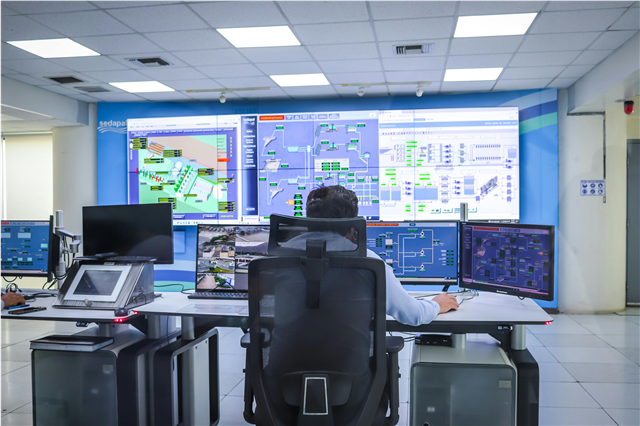
User Interface: Fleet managers access information through web-based dashboards or mobile apps, receiving real-time alerts and comprehensive reporting.
6. Fuel Card Integration Saves 8-12% on Fuel Costs
Smart fleet management systems automatically track fuel purchases, identify the cheapest gas stations along routes, and prevent fuel card abuse through spending limits and location restrictions.
7. Electronic Logging Devices (ELDs) Automate Compliance
Since 2017, commercial drivers must use ELDs that automatically record driving hours, eliminating paperwork and ensuring Department of Transportation (DOT) compliance.
8. Predictive Analytics Can Forecast Maintenance Needs
Machine learning algorithms analyze historical data to predict when specific vehicle components will fail, allowing proactive maintenance scheduling that extends vehicle lifespan by 20%.
9. Dispatch Optimization Reduces Response Times by 25-40%
Intelligent routing systems consider traffic patterns, weather conditions, and vehicle locations to automatically assign the nearest available driver to new jobs.
SEO Optimization Tip: Search terms like "fleet management software," "GPS vehicle tracking," and "dispatch optimization" are perfectly integrated into engaging content.
10. Total Cost of Ownership (TCO) Calculations Are Automated
Advanced systems track every expense associated with each vehicle over its entire lifecycle, helping companies make better purchasing and replacement decisions.
11. Mobile Integration Allows Drivers to Access Job Information Instantly
Drivers can receive route updates, customer details, and delivery instructions directly on smartphones or in-vehicle tablets, improving communication and efficiency.
12. Geofencing Technology Creates Virtual Boundaries
Fleet managers can set up digital perimeters around job sites, warehouses, or restricted areas, receiving instant notifications when vehicles enter or exit these zones.
How Fleet Management Systems Transform Business Operations:
Data Collection → Analysis → Action
The typical workflow involves:
- Data Collection: Sensors gather information on vehicle performance, location, and driver behavior
- Cloud Processing: AI algorithms analyze patterns and identify optimization opportunities
- Actionable Insights: Fleet managers receive alerts, reports, and recommendations through intuitive dashboards
13. Integration with IoT Enables Smart Fleet Ecosystems
Modern systems connect with smart traffic lights, weather stations, and even other vehicles to create comprehensive operational intelligence networks.
14. Paperless Operations Reduce Administrative Costs by 60%
Digital work orders, electronic signatures, automated invoicing, and real-time reporting eliminate traditional paperwork while improving accuracy and compliance.
15. Scalability Allows Growth from 5 to 50,000 Vehicles
Whether managing a small delivery service or a multinational transportation company, cloud-based fleet management systems adapt to any size operation without requiring additional infrastructure investments.
The Bottom Line: Technology Meets Transportation Efficiency
Fleet management systems represent one of the most significant technological transformations in transportation history. By combining GPS tracking, IoT sensors, artificial intelligence, and mobile connectivity, these platforms provide unprecedented visibility into fleet operations while reducing costs, improving safety, and enhancing customer satisfaction.
Key Takeaway: Companies implementing comprehensive fleet management solutions typically see ROI within 6-12 months through reduced fuel costs, lower maintenance expenses, improved driver productivity, and enhanced operational efficiency.
As transportation continues evolving toward autonomous vehicles and smart city integration, fleet management systems will become even more critical for businesses seeking competitive advantages through data-driven decision making and operational excellence.
Ready to transform your fleet operations? Modern fleet management systems offer capabilities that were science fiction just a decade ago, making today the perfect time to upgrade your transportation technology.


