
What networking equipment is essential for cloud computing
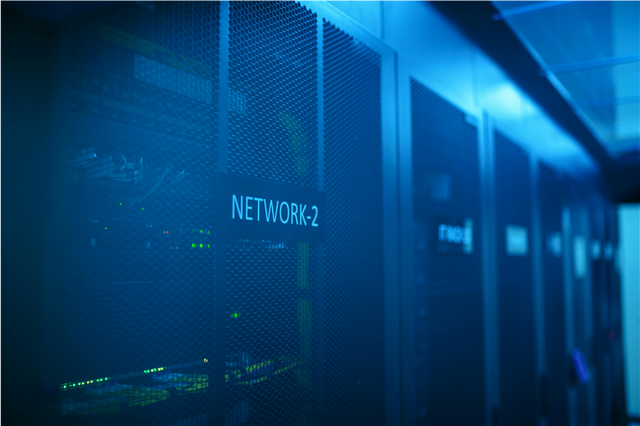
Cloud computing has transformed how we store, access, and process data, but what many don't realize is that robust networking equipment forms the invisible backbone of this digital revolution. Without the right networking infrastructure, even the most advanced cloud services would grind to a halt. Here are the essential networking components that make cloud computing possible:
1. High-Speed Routers: The Internet's Traffic Directors
Modern cloud data centers rely on enterprise-grade routers capable of handling terabytes of data per second. These sophisticated devices can process over 100 million packets per second while maintaining latency under 10 milliseconds. Top-tier routers like Cisco ASR 9000 or Juniper MX series ensure that your cloud applications respond faster than you can blink.
Pro tip: A single high-performance router can handle more data than the entire internet carried in its first decade.
2. Fiber Optic Switches: Lightning-Fast Data Highways
Cloud computing's success hinges on fiber optic switches that enable data transmission at speeds approaching 400 Gbps. These switches create redundant pathways, ensuring that if one route fails, data instantly reroutes through alternative paths with zero perceptible downtime to end users.
Amazing fact: Light travels through fiber optic cables at about 200,000 kilometers per second – that means data can circle the Earth nearly 5 times in just one second!
3. Load Balancers: The Perfect Traffic Distributors
Load balancers are the unsung heroes ensuring no single server bears too much traffic. Modern application delivery controllers can distribute millions of requests across hundreds of servers in real-time, reducing response times by up to 40% while maintaining optimal performance.
Cloud providers use geo-load balancing to route user requests to the nearest data center, meaning your video call to Tokyo probably travels through servers just miles from your location.
4. Network Attached Storage (NAS) Devices: Cloud Storage's Foundation
While users see infinite storage clouds, the reality is sophisticated NAS arrays with petabytes of capacity. These systems provide the storage backbone for cloud services, often featuring 99.999% uptime and automatic failover capabilities that ensure your data remains accessible 24/7/365.
Staggering stat: Major cloud providers store over 100 exabytes of data – that's equivalent to storing every photo ever posted on Instagram multiple times over!
5. Firewalls and Security Appliances: Guardians of the Digital Realm
Cloud security relies on next-generation firewalls that can inspect and filter millions of connections simultaneously. These devices employ AI-powered threat detection, blocking over 99% of malicious traffic before it even reaches cloud servers.
Enterprise firewalls can process over 100 gigabits per second while performing deep packet inspection, ensuring your cloud data remains protected without slowing down performance.
6. Content Delivery Networks (CDNs): Bringing the Cloud Closer to You
CDNs consist of thousands of edge servers worldwide that cache content closer to users. When you stream Netflix or browse websites, you're likely accessing data from a server within 20 miles of your location, thanks to sophisticated CDN infrastructure.
Mind-blowing fact: The global CDN market processes over 50 terabytes of data every second, with major providers having servers in over 1,000 cities worldwide.
7. Network Monitoring Systems: The Invisible Watchdogs
Sophisticated network monitoring tools track millions of metrics in real-time, ensuring optimal cloud performance. These systems can detect and resolve issues within milliseconds, often fixing problems before users even notice them.
Advanced monitoring platforms analyze network performance across 24/7/365, collecting billions of data points daily to maintain the seamless cloud experience we've come to expect.
The ROI of Proper Networking Equipment
Organizations investing in proper cloud networking infrastructure see:
- 300% faster application performance
- 99.99% uptime reliability
- 50% reduction in operational costs
- Scalability to handle 10x traffic spikes
Future-Proofing Your Cloud Network
As cloud computing evolves, networking equipment continues advancing at breakneck speed. 5G integration, quantum-resistant encryption, and AI-driven optimization are shaping the next generation of cloud networking infrastructure.
The average enterprise will upgrade their core networking equipment every 3-5 years to maintain competitive advantage, with networking hardware investments typically representing 25% of total IT infrastructure budgets.
Key Takeaway
While cloud computing appears magical to end users, it's actually the result of carefully orchestrated networking equipment working in perfect harmony. Every click, every upload, and every streamed video relies on these seven essential components maintaining peak performance behind the scenes.
Understanding this infrastructure helps businesses make informed decisions about their cloud strategies and appreciate the sophisticated technology that makes remote work, streaming services, and digital transformation possible in our connected world.
The next time you access cloud services seamlessly, remember: it's not magic – it's millions of carefully engineered networking components working in perfect synchronization, delivering the cloud computing revolution one packet at a time.
Ready to optimize your cloud networking infrastructure? Understanding these essential components is the first step toward building a future-proof digital strategy that scales with your ambitions.


