
How are drones used for precision farming and pesticide spraying?
Drones aren't just for aerial photography anymore. These high-tech flying machines are transforming agriculture, making farming smarter, more efficient, and environmentally friendly. Here's how drones are revolutionizing precision farming and pesticide spraying.
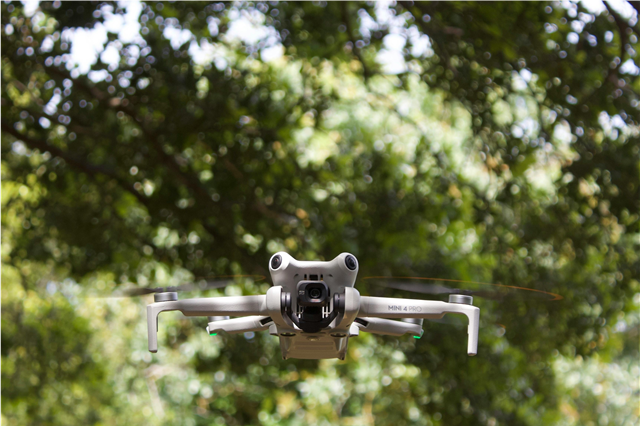
1. Drones Can Spray Pesticides 20 Times Faster Than Manual Methods
Traditional pesticide application using ground equipment or manual spraying is incredibly time-consuming. Agricultural drones can cover the same area in a fraction of the time, with some models capable of spraying up to 100 acres per day. This efficiency boost means farmers can treat larger areas quickly, especially crucial during pest outbreaks or optimal weather windows.
2. Precision Spraying Reduces Chemical Usage by Up to 90%
Modern agricultural drones use advanced GPS technology and AI-powered systems to apply pesticides only where needed. This targeted approach can reduce chemical usage by 70-90% compared to traditional broadcast spraying methods. Not only does this save money for farmers, but it also significantly reduces environmental impact and chemical runoff.
3. Multispectral Cameras Reveal Invisible Plant Problems
Drones equipped with multispectral and thermal cameras can detect plant stress, disease, and nutrient deficiencies before they're visible to the human eye. These cameras capture data in wavelengths beyond what we can see, identifying issues like water stress, nitrogen deficiency, or pest damage up to two weeks earlier than conventional monitoring methods.
4. Real-Time Data Processing Enables Immediate Action
Advanced drone systems can process data in real-time, providing farmers with immediate insights about crop health, soil conditions, and pest presence. This instant feedback allows for rapid decision-making, potentially saving entire crop sections from disease or pest damage through early intervention.
5. Drones Can Operate During Optimal Spraying Conditions
Unlike human operators who need breaks and work in safe conditions, drones can operate during early morning or late evening hours when winds are calmer and temperatures are cooler. This flexibility means pesticides can be applied when they're most effective and when drift is minimized, improving overall treatment success rates.
6. Variable Rate Technology Customizes Treatment Across Fields
Using prescription maps created from previous drone flights and soil analysis, modern agricultural drones can automatically adjust spray rates as they fly. Areas with healthy crops might receive minimal treatment, while problem areas get higher doses – all controlled by sophisticated algorithms that optimize resource use.
7. 3D Mapping Technology Creates Detailed Field Analytics
Drones generate precise 3D maps of entire fields with centimeter-level accuracy. These maps help farmers understand micro-topography, drainage patterns, and elevation changes that affect crop performance. This data is invaluable for planning irrigation systems, predicting yield potential, and optimizing planting strategies.
8. Swarm Technology Allows Multiple Drones to Work Together
Cutting-edge agricultural operations are using multiple drones simultaneously, coordinated through swarm technology. These drone fleets can cover massive areas quickly, with each unit communicating with others to avoid collisions and optimize coverage patterns. Some operations have successfully coordinated 50+ drones working in harmony across thousands of acres.
9. AI-Powered Pest Identification and Targeting
The latest drone technology incorporates artificial intelligence that can identify specific pest species and target them directly. This means instead of treating entire fields with broad-spectrum pesticides, drones can spot-treat individual pest colonies, reducing overall chemical usage by up to 95% while maintaining or improving pest control effectiveness.
10. Integration with IoT Creates Fully Automated Farming Systems
Drones are increasingly working alongside Internet of Things (IoT) sensors, automated irrigation systems, and robotic ground vehicles. This integration creates fully automated precision agriculture systems where drones identify problems, ground sensors monitor conditions continuously, and automated systems respond appropriately without human intervention.
The Future of Drone Technology in Agriculture
As drone technology continues to evolve, we're seeing developments in:
- Longer flight times through improved battery technology and solar integration
- Enhanced AI capabilities for better decision-making and autonomous operation
- Advanced sensor technology that can detect increasingly subtle crop conditions
- Integration with satellite data for comprehensive farm management systems
Conclusion
Drones are fundamentally changing how we approach farming, making it more precise, efficient, and sustainable. From reducing pesticide usage by 90% to identifying crop problems invisible to the human eye, these flying robots are proving to be invaluable tools for modern agriculture.
As technology continues to advance, the integration of drones in precision farming will likely become even more sophisticated, potentially leading to fully automated farm management systems that optimize every aspect of crop production while minimizing environmental impact.
The future of farming is here, and it's flying – quite literally.


