
How are ventilation systems used to improve indoor air circulation?
When was the last time you thought about the air you're breathing right now? Indoor air quality affects your health, productivity, and comfort more than you realize. Ventilation systems are the unsung heroes working behind the scenes to keep your indoor air fresh and healthy. Here are some fascinating facts about how these systems transform your indoor environment.
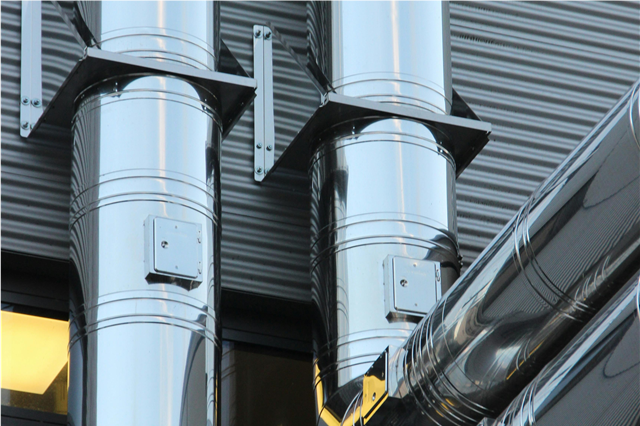
1. The Ancient Origins of Modern Ventilation
Believe it or not, ventilation systems date back over 2,000 years! Ancient Romans used hypocaust systems – heated air circulated under floors and through walls – to ventilate their buildings. Today's HVAC systems may be more sophisticated, but they're built on the same fundamental principle: moving air strategically to improve indoor conditions.
2. Your Indoor Air is 2 to 5 Times More Polluted Than Outdoor Air
According to the EPA, indoor air pollution levels can be significantly higher than outdoor air pollution. Your ventilation system acts as a breath of fresh air by:
- Removing airborne contaminants like dust, pollen, and mold spores
- Diluting chemical vapors from cleaning products, furniture, and building materials
- Reducing carbon dioxide buildup from human respiration
- Eliminating cooking odors and smoke particles
Without proper ventilation, these pollutants can accumulate to dangerous levels, causing headaches, fatigue, and respiratory issues.
3. The Incredible Journey of Air Through Your System
A single cubic foot of air can travel up to 1,000 feet per minute through a well-designed ventilation system. That's faster than most highway speeds! Here's what happens during this incredible journey:
Intake Phase: Fresh air enters through strategically placed vents Filtration: Multiple filter stages trap particles as small as 0.3 microns Conditioning: Temperature and humidity are adjusted Distribution: Conditioned air flows through ductwork to every room Exhaust: Stale air is removed and replaced with fresh air
This complete air exchange can happen every 15-30 minutes in a well-designed system.
4. Energy Recovery Ventilators: The Efficiency Revolution
Modern ventilation systems can recover up to 80% of the energy used to heat or cool your home. Energy Recovery Ventilators (ERVs) work like air-to-air heat exchangers, transferring temperature and humidity between incoming and outgoing air streams. This means you get fresh air without drastically affecting your energy bills.
5. Smart Ventilation: The Future is Here
Today's ventilation systems are getting smarter by the day. IoT-enabled systems can:
- Automatically adjust airflow based on occupancy sensors
- Monitor air quality in real-time and respond accordingly
- Send maintenance alerts before problems occur
- Integrate with smart home systems for optimal efficiency
Some systems can even predict air quality issues before they happen, using weather data and pollution forecasts to optimize air exchange timing.
6. The Hidden Health Benefits You Can't See
Proper ventilation doesn't just make your home smell better – it creates measurable health improvements:
- Reduced sick building syndrome symptoms by up to 40%
- Improved sleep quality through better oxygen levels
- Enhanced cognitive function with fresh air circulation
- Lower allergy symptoms from reduced airborne allergens
- Decreased transmission of airborne illnesses in shared spaces
Studies show that workers in well-ventilated offices demonstrate 11% higher cognitive function scores compared to those in poorly ventilated spaces.
7. Cross-Ventilation: Nature's Original Ventilation System
Before mechanical systems existed, humans relied on cross-ventilation – using natural wind patterns and building design to move air. Ancient architects designed buildings with:
- Strategic window placement for breeze capture
- High ceilings to allow hot air to rise
- Courtyards that created natural air currents
- Materials that naturally regulated humidity
Modern ventilation systems essentially mechanize these natural principles with incredible precision.
The Bottom Line
Ventilation systems do far more than simply move air around your home or office. They're sophisticated environmental management tools that impact your health, comfort, and energy efficiency. Understanding how they work and maintaining them properly can transform your indoor air quality from a health hazard into a health benefit.
Whether you're building new or upgrading existing systems, investing in proper ventilation is one of the best decisions you can make for your indoor environment. The next time you take a breath indoors, remember: somewhere in your walls and ceilings, your ventilation system is working tirelessly to make that breath cleaner, healthier, and more comfortable.
Ready to improve your indoor air quality? Consider scheduling a ventilation system assessment to ensure your system is working at peak efficiency. Your lungs – and your energy bills – will thank you!


