
How do disinfectant products work on viruses like COVID 19
During the global pandemic, disinfectants became our frontline warriors in the battle against invisible threats. But have you ever wondered exactly how these products neutralize viruses like COVID-19? Here are 10 intriguing facts that reveal the science behind disinfectant efficacy.
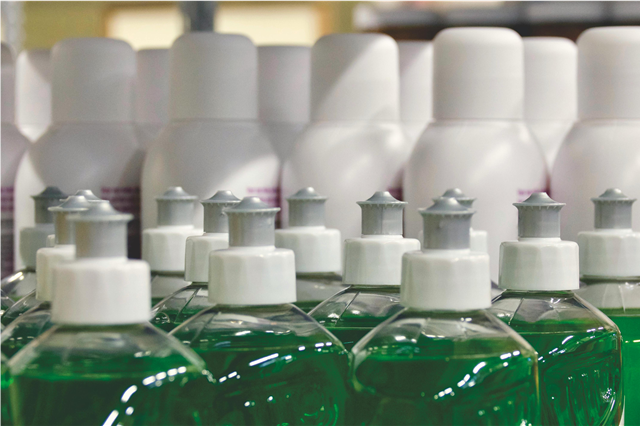
1. Soap Works Like a Virus Assassin
Regular soap isn't just for washing dishes—soap molecules literally tear viruses apart. The coronavirus has a fatty outer envelope that soap molecules puncture within seconds. This is why a 20-second handwash is more effective than many expensive sanitizers at destroying viral particles.
2. Alcohol Disrupts Viral Architecture
Isopropyl alcohol and ethanol work by denaturing viral proteins and dissolving lipid membranes. For maximum effectiveness against COVID-19, concentrations of 60-80% are optimal—lower concentrations actually allow viruses to survive longer.
3. Bleach Literally Explodes Viruses
Household bleach (sodium hypochlorite) creates reactive oxygen species that literally oxidize viral components. This chemical warfare at the molecular level destroys the virus's genetic material and protein structure within minutes.
4. Viruses Die Faster on Some Surfaces Than Others
COVID-19 survives 2-3 days on plastic and stainless steel but only 4 hours on copper. This is why hospitals have experimented with copper door handles and touchpoints—the metal ions disrupt viral replication naturally.
5. UV Light Creates Genetic Chaos in Viruses
UV-C light (254nm wavelength) causes thymine dimers in viral RNA, essentially creating genetic mutations so severe that the virus cannot replicate. This is why UV sterilization is used in hospitals and why sunlight exposure reduces viral transmission.
6. The "Kill Time" Myth Debunked
That "kills 99.9% of germs" claim? It's often tested under laboratory-perfect conditions. In real-world scenarios, factors like organic matter, temperature, and contact time significantly affect disinfectant performance.
7. Quaternary Ammonium Compounds Are Molecular Bodyguards
These common disinfectant ingredients disrupt cell membranes by changing surface tension and denaturing proteins. However, some viral strains are developing resistance—similar to how bacteria develop antibiotic resistance.
8. Temperature Matters More Than You Think
Disinfectants work faster at warmer temperatures—enzymes denature more quickly, and chemical reactions accelerate. This is partly why viral transmission decreases in summer months and why hospitals sometimes warm disinfectant solutions.
9. Viruses Can't Repair Themselves
Unlike living cells, viruses lack repair mechanisms. Once a disinfectant damages a viral particle's structure or genetic material, it's permanently disabled. This makes them particularly vulnerable to chemical disruption.
10. Contact Time Is Everything
Most people spray and wipe immediately—big mistake. COVID-19 requires 3-10 minutes of contact time with most disinfectants for complete inactivation. The virus doesn't die instantly; it needs sustained exposure to effective concentrations.
The Bottom Line: Layered Protection Works Best
Understanding how disinfectants work reveals an important truth: no single product is foolproof. The most effective strategy combines:
- Proper hand hygiene with soap (mechanical disruption)
- Appropriate alcohol-based sanitizers (protein denaturation)
- Surface disinfection with EPA-approved products (oxidation and membrane disruption)
- UV exposure when possible (genetic damage)
Remember: Disinfectants are most effective when they have adequate contact time, proper concentration, and are used consistently. The virus doesn't fight back—it simply lacks the biological mechanisms to resist chemical disruption once its protective structures are compromised.
By understanding the fascinating science behind these products, we can use them more effectively and stay one step ahead of viral threats.


