
How is wood used in modern architectural construction?
When you think of modern skyscrapers and cutting-edge architecture, wood probably isn't the first material that comes to mind. But you'd be surprised how this ancient building material has found revolutionary new roles in 21st-century construction. From towering timber skyscrapers to innovative hybrid structures, wood is experiencing a remarkable renaissance in modern architecture.
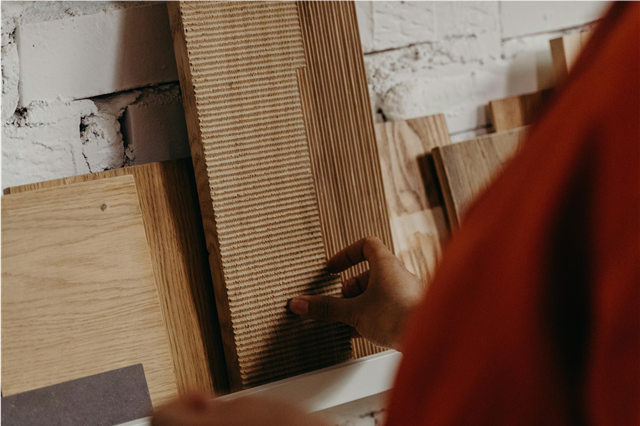
The Wooden Revolution in Modern Construction
Modern architects and engineers are rediscovering wood's incredible potential, combining traditional craftsmanship with cutting-edge technology. Here are 15 fascinating ways wood is transforming contemporary building design:
1. Cross-Laminated Timber (CLT) is Changing Everything
Cross-laminated timber represents one of the most significant breakthroughs in modern construction. These massive wooden panels are created by layering wood boards at 90-degree angles and bonding them with structural adhesives. The result? Panels that are stronger than steel pound-for-pound and can be used to construct buildings up to 18 stories high. CLT is revolutionizing urban construction because it's lighter than concrete, reducing foundation costs while maintaining structural integrity.
2. Wooden Skyscrapers Are Reaching New Heights
Believe it or not, wooden skyscrapers are no longer science fiction. The 85-meter Mjøstårnet tower in Norway, completed in 2019, stands as one of the world's tallest wooden buildings at 18 stories. Meanwhile, Tokyo is planning a 350-meter wooden skyscraper that would dwarf current timber buildings. These structures prove that wood isn't just for quaint cabins anymore.
3. Carbon Sequestration Makes Wood Climate-Friendly
Here's a mind-blowing fact: wood continues to store carbon dioxide long after trees are cut down. When architects use wood in construction, they're essentially creating carbon-negative buildings. A typical wooden structure can store around one ton of CO2 per cubic meter of wood used. This makes wood one of the most environmentally friendly building materials available today.
4. Modern Wood Construction is Lightning Fast
Prefabricated wooden components can reduce construction time by up to 70% compared to traditional concrete methods. The Brock Commons Tallwood House at the University of British Columbia was constructed in just 70 days using prefabricated wood components. This speed advantage translates to significant cost savings and reduced disruption in urban environments.
5. Engineered Wood Can Be Molded Into Any Shape
Modern engineered wood products like glued laminated timber (glulam) and laminated veneer lumber (LVL) can be curved, twisted, and shaped to create stunning architectural features. The Elk Grove Transit Center in California features elegant curved wooden beams that would be impossible to achieve with steel or concrete alone.
6. Wood Provides Superior Fire Resistance
Contrary to popular belief, massive timber actually performs better in fires than steel. When exposed to flames, wood chars on the outside while maintaining its structural integrity for longer periods. In fact, large wooden beams can maintain their strength for up to 45 minutes in a fire, often outperforming steel beams of equivalent size.
7. Acoustic Benefits Make Wood Ideal for Modern Spaces
Wood naturally absorbs sound vibrations, making it perfect for concert halls, offices, and residential buildings where acoustics matter. The wood-paneled interior of the Tamedia Office Building in Switzerland demonstrates how timber can create both visual beauty and optimal sound quality.
8. Hybrid Construction Combines the Best of All Materials
Modern architecture increasingly relies on hybrid systems combining wood with steel and concrete. The 18-story Framework building in Portland, Oregon, uses a combination of CLT, steel, and concrete to achieve unprecedented heights while maintaining sustainability goals.
9. Digital Fabrication Unlocks New Design Possibilities
Computer-controlled manufacturing allows architects to create complex wooden structures that would be impossible by hand. The intricate wooden facade of the V&A Dundee Museum in Scotland was created using digital fabrication techniques, resulting in a building that appears to emerge from the waterfront like a ship.
10. Wood Remains Cost-Effective Even at Scale
Large-scale timber construction can actually cost 15-20% less than traditional concrete and steel alternatives. The reduced foundation requirements, faster construction times, and simpler logistics all contribute to significant cost savings in timber projects.
11. Sustainable Forestry Makes Wood Renewable
Modern construction wood primarily comes from sustainably managed forests where growth exceeds harvest. The Forest Stewardship Council certifies timber sources, ensuring that new trees are planted for every one harvested. This makes wood genuinely renewable, unlike concrete which relies on finite sand and gravel resources.
12. Wood Buildings Can Last for Centuries
Many wooden structures built centuries ago remain standing today. The 900-year-old Church of Djurö in Sweden proves that well-constructed wooden buildings can outlast their concrete counterparts. Modern treatments and construction techniques extend wood's lifespan even further.
13. Thermal Performance Exceeds Traditional Materials
Wood's cellular structure provides excellent insulation properties, naturally regulating temperature and humidity in buildings. A typical wooden wall performs as well as a concrete wall twice its thickness, reducing energy costs for heating and cooling.
14. Health Benefits Keep Occupants Happier
Studies consistently show that occupants of wooden buildings report lower stress levels, better sleep, and improved overall well-being. The natural aesthetic and olfactory properties of wood create psychological benefits that artificial materials cannot replicate.
15. End-of-Life Recycling Makes Wood Circular
Unlike concrete and steel, wood buildings can be disassembled and materials reused or recycled. Old wooden structures can become new buildings, furniture, or even bioenergy, creating a closed-loop system that minimizes waste.
The Future of Wooden Architecture
As technology advances and environmental concerns grow, wood's role in modern construction will only expand. Researchers are developing new engineered wood products that could make 50-story wooden skyscrapers possible within the next decade. Meanwhile, governments worldwide are updating building codes to accommodate taller wooden structures, recognizing wood's essential role in sustainable urban development.
The marriage of ancient wood craftsmanship with modern engineering has created a renaissance in architectural design. Far from being a primitive building material, wood has become one of the most sophisticated and environmentally responsible options available to today's architects and builders.
From carbon-sequestering high-rises to acoustically perfect concert halls, wood proves that sometimes the most modern solutions come from nature's oldest building materials. As we face the challenges of climate change and urbanization, wood offers a path forward that's both technologically advanced and deeply rooted in sustainability.


