
What is the role of heavy machinery in forestry operations
Did you know that modern forestry operations rely on sophisticated heavy machinery that can fell, process, and transport timber with the efficiency of hundreds of manual workers? From towering harvesters to gentle forwarders, these mechanical giants are revolutionizing how we manage our forests.
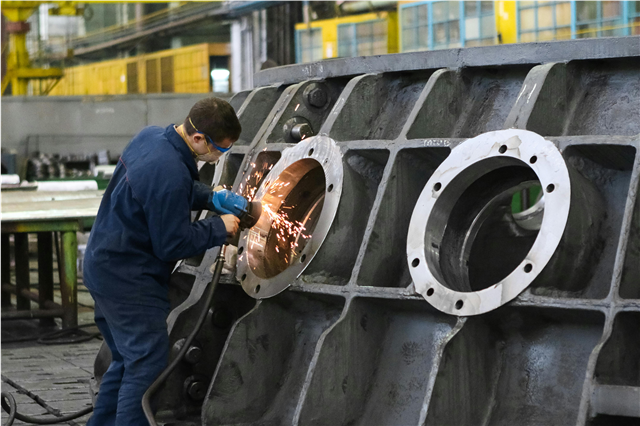
The Foundation of Modern Forestry: Heavy Machinery
In today's forestry industry, heavy machinery accounts for over 80% of timber harvesting operations worldwide. These powerful machines have transformed what was once backbreaking manual labor into streamlined, efficient processes that can handle massive volumes of timber while maintaining environmental standards.
Key Heavy Machinery Types and Their Roles
1. Harvesters: The Forest's Surgical Specialists
Modern harvesters are the precision tools of forestry, capable of:
- Felling trees as small as 4 inches and as large as 8 feet in diameter
- Processing up to 200 trees per hour with computer-controlled cutting heads
- Operating in terrain that would be impossible for humans to access safely
Amazing fact: A single harvester operator can do the work of 20-30 traditional lumberjacks!
2. Forwarders: The Forest's Heavy Haulers
These machines serve as the transportation backbone of forestry operations:
- Can carry loads ranging from 15 to 30 tons of timber in a single trip
- Feature automated loading systems that reduce cycle times by up to 40%
- Navigate steep terrain with advanced hydraulic suspension systems
3. Skidders: The Ground-Level Powerhouses
For traditional forestry operations, skidders remain indispensable:
- Drag logs weighing up to 25 tons across rough terrain
- Available in wheeled, tracked, and articulated configurations for different conditions
- Can operate in wetlands and soft soils with specialized equipment
Revolutionary Impact on Industry Efficiency
The introduction of heavy machinery has fundamentally changed forestry economics:
- Productivity increases of 300-500% compared to manual methods
- Safety improvements reducing workplace fatalities by over 70%
- Cost reductions that make sustainable forestry economically viable
- Precision cutting that minimizes waste and maximizes lumber quality
Remarkable statistic: Modern forestry machinery can harvest up to 1,000 cubic meters of timber per day, compared to just 50 cubic meters with traditional methods.
Environmental Benefits of Mechanized Forestry
Contrary to common misconceptions, heavy machinery often promotes environmental sustainability:
Soil Protection
- Reduced ground pressure compared to multiple truck trips
- Controlled traffic patterns that minimize soil compaction
- Specialized equipment for sensitive wetland operations
Selective Harvesting
- Computer-guided systems for precise tree selection
- Minimal damage to surrounding vegetation
- Ability to implement complex silviculture practices
Technological Advancements Driving Innovation
Today's forestry machinery incorporates cutting-edge technology:
- GPS guidance systems for precise navigation and mapping
- Automated delimbing and bucking systems
- Real-time data collection for forest inventory management
- Remote monitoring capabilities for fleet management
Fascinating development: Some modern harvesters use AI-powered vision systems to identify tree species and optimize cutting patterns automatically.
Challenges and Future Considerations
While heavy machinery offers tremendous benefits, challenges include:
- High capital investment (machines can cost $500,000-$2 million)
- Skilled operator requirements
- Maintenance complexity in remote forest locations
- Environmental impact management in sensitive ecosystems
The Human Element Remains Vital
Despite advanced machinery, human expertise is irreplaceable:
- Forest managers make critical decisions about harvest timing and methods
- Operators require extensive training to maximize efficiency
- Foresters plan sustainable harvest rotations and regeneration strategies
Global Impact and Future Outlook
The forestry machinery industry continues expanding:
- Market value exceeding $15 billion annually
- Emerging markets in developing countries adopting mechanized methods
- Automation trends leading toward semi-autonomous operations
- Electric and hybrid machines reducing environmental impact
Projected growth: The global forestry machinery market is expected to grow at 5.2% annually through 2030.
Conclusion: The Engine of Sustainable Forestry
Heavy machinery in forestry operations represents the perfect blend of power, precision, and environmental stewardship. These mechanical marvels enable us to harvest timber efficiently while protecting forest ecosystems, ensuring that forestry remains both economically viable and environmentally responsible.
As technology continues advancing, the role of heavy machinery will only become more sophisticated, offering even greater benefits for sustainable forest management and helping meet the world's growing demand for renewable wood products.
The next time you see a forest operation, remember: behind every perfectly cut log is a symphony of powerful machinery working in harmony with skilled human expertise to sustainably manage one of our planet's most valuable resources.
Ready to explore forestry operations in your area? Modern heavy machinery makes sustainable timber harvesting possible while protecting the natural beauty of our forests for future generations.


