
How is drone technology used in the film and entertainment industry for aerial shots?
From Saving Millions to Capturing Impossible Shots - The Game-Changing Impact of Drones in Hollywood
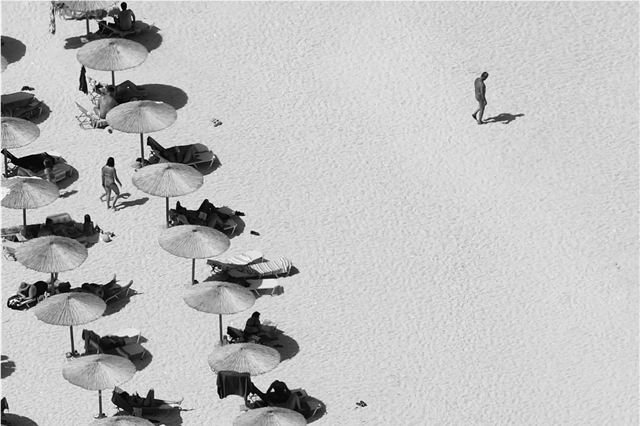
The film and entertainment industry has undergone a dramatic transformation since drones took flight in cinematography. These unmanned aerial vehicles have revolutionized how filmmakers capture stunning aerial footage, making blockbuster-quality shots accessible to productions of all budgets while pushing creative boundaries to new heights.
The Dollar-Saving Revolution: When Drones Replaced Helicopters
Before drones became the industry standard, aerial cinematography relied heavily on expensive helicopter rentals, which could cost anywhere from $15,000 to $40,000 per day. Today's professional filming drones can achieve similar cinematic results for a fraction of the cost - typically between $1,000 to $5,000 per day including operator fees.
This cost reduction has democratized aerial cinematography, allowing independent filmmakers and television producers to incorporate breathtaking aerial sequences that were once exclusive to major studio productions with million-dollar budgets.
The Technical Marvel: How Film-Grade Drones Work
Modern cinema drones are marvels of engineering, equipped with advanced three-axis gimbals that stabilize cameras and eliminate unwanted vibrations. These sophisticated stabilization systems can carry payloads ranging from lightweight mirrorless cameras to heavy-duty cinema cameras like the RED Komodo or Blackmagic Pocket Cinema Camera 6K.
The average film drone can fly for 15-30 minutes on a single battery charge, reach altitudes of up to 400 feet (the legal limit in many countries), and travel speeds exceeding 45 mph while maintaining smooth, cinematic movement. Some advanced models even feature obstacle avoidance systems and GPS tracking to ensure safe operation during complex shots.
Blockbuster Moments Caught by Drone
Some of cinema's most memorable aerial sequences were captured using drone technology. The opening sequence of "Spectre" (2015) featured a continuous seven-minute drone shot following Daniel Craig through the streets of Mexico City during Day of the Dead celebrations. This seamless tracking shot would have been nearly impossible to achieve safely with traditional helicopter-mounted cameras.
Television series like "Game of Thrones" extensively used drones for establishing shots of fictional landscapes, while documentaries like "Our Planet" (2019) utilized drones to capture intimate wildlife footage from perspectives that would be impossible for human crews to access safely.
The Safety Advantage: Protecting Cast and Crew
Beyond cost savings and creative flexibility, drones significantly improve safety on film sets. Traditional aerial cinematography required camera operators to hang out of helicopters or position themselves in potentially dangerous locations. Drones eliminate these risks while providing filmmakers with unprecedented access to tight spaces, dangerous environments, and extreme angles.
This safety advantage proved crucial during the filming of disaster movies, war sequences, and scenes requiring proximity to fire, water, or other hazards where human operators couldn't safely position themselves.
Real-Time Creativity: The Director's New Best Friend
Modern drone technology allows directors and cinematographers to view footage in real-time through live video feeds transmitted directly from the drone to on-set monitors. This instant feedback enables creative decisions to be made immediately, adjusting camera movements, lighting, or actor positioning without the delays associated with traditional aerial rigging setups.
Many drones now feature intelligent flight modes that can follow predetermined flight paths, allowing camera operators to focus entirely on framing and composition while the drone handles complex movement patterns automatically.
The Miniature Revolution: Micro Drones for Intimate Shots
While large professional drones handle sweeping landscape shots, micro drones weighing under 250 grams have opened entirely new creative possibilities. These compact aerial platforms can fly through doorways, navigate dense forest canopies, and capture unique perspectives that larger equipment simply cannot access.
Filmmakers have used micro drones to capture shots from inside moving vehicles, through narrow architectural spaces, and even at ground level for dynamic low-angle perspectives that add energy and intimacy to storytelling.
The Regulatory Landscape: Flying Within the Lines
Commercial drone operations in the film industry require proper licensing and adherence to aviation regulations. In the United States, operators must hold Part 107 remote pilot certificates, while productions often require special waivers for night flying, flights over people, or operations in controlled airspace near airports.
These regulatory frameworks ensure safety while still allowing creative teams the flexibility to achieve their artistic vision within established guidelines.
The Future: AI and Autonomous Cinematography
Emerging technologies promise even more exciting developments in drone cinematography. Artificial intelligence algorithms are being developed to enable autonomous camera movements that respond to actors' positions and scripted action sequences in real-time. These systems could eventually allow directors to program complex aerial choreography that executes itself while maintaining cinematic quality.
Advanced obstacle avoidance systems and swarm technology might soon enable multiple coordinated drones to capture complex multi-angle shots simultaneously, creating dynamic aerial sequences that would require entire helicopter fleets to achieve using traditional methods.
Environmental Impact: Greener Filmmaking
Drones contribute to more sustainable filmmaking practices by reducing carbon emissions associated with large vehicle transportation and helicopter operations. A single electric drone can replace dozens of crew transportation trips to remote filming locations while consuming minimal energy compared to traditional aerial cinematography methods.
Conclusion: The Sky's No Longer the Limit
Drone technology has fundamentally transformed aerial cinematography in the film and entertainment industry, making spectacular aerial shots accessible while opening new creative possibilities previously unimaginable. As technology continues advancing, these flying cameras will undoubtedly continue pushing the boundaries of visual storytelling, proving that sometimes the most revolutionary changes come from looking up at the sky.
From saving productions hundreds of thousands of dollars to enabling shots that were once impossible, drones have become an indispensable tool in modern filmmaking. The next time you watch a thrilling helicopter chase sequence or a sweeping landscape shot in your favorite movie or TV show, there's a good chance a drone made it possible - quietly revolutionizing entertainment one flight at a time.
Ready to incorporate drone cinematography into your next project? Understanding these technologies and their applications can transform your creative vision into cinematic reality while staying within budget and safety parameters.


