
What are the uses of industrial automation systems in manufacturing processes?
In the high-stakes world of manufacturing, where milliseconds can mean millions, industrial automation systems have become the unsung heroes revolutionizing how products are made. But what exactly are these systems doing behind the scenes? Let's explore the fascinating applications that are reshaping manufacturing as we know it.
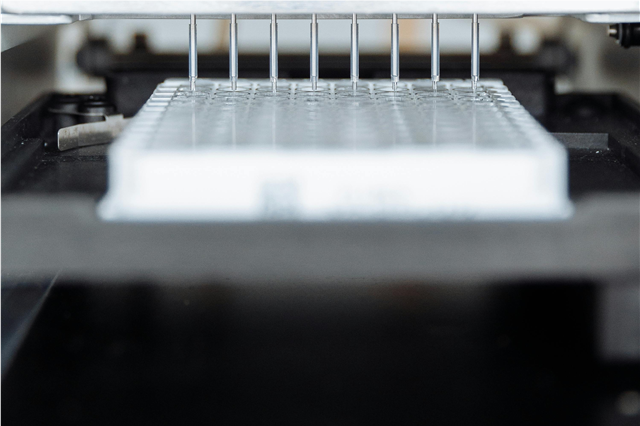
Mind-Blowing Statistics That Define the Automation Revolution
Did you know that manufacturers using industrial automation systems report up to 40% increase in production efficiency? This isn't science fiction – it's the new manufacturing reality, where smart machines work alongside human operators to achieve unprecedented levels of productivity.
Key Applications Driving Manufacturing Excellence
Precision Assembly: The Art of Perfection
Industrial automation systems excel at tasks requiring microscopic precision. Automated assembly lines can place components with accuracy down to 0.01 millimeters – that's thinner than a human hair. This level of precision is critical in industries like electronics and aerospace, where a single misalignment could spell disaster.
Quality Control: Eyes That Never Blink
Modern manufacturing automation includes sophisticated vision systems that can inspect thousands of products per minute, detecting defects invisible to the human eye. These systems use advanced algorithms to maintain consistent quality standards, ensuring that every product meets exacting specifications before reaching consumers.
Material Handling: The Tireless Workforce
Automated guided vehicles (AGVs) and robotic arms handle material transport with remarkable efficiency. These systems work 24/7 without breaks, moving raw materials, components, and finished products with precision tracking that reduces waste and optimizes warehouse operations.
Industry-Specific Automation Wonders
Automotive Manufacturing: Where It All Started
The automotive industry pioneered industrial automation, and today's smart factories use over 1,000 robots per facility in some cases. From welding and painting to final assembly, automation has reduced car manufacturing time from weeks to days while maintaining superior quality standards.
Pharmaceutical Precision: Life-Saving Accuracy
In pharmaceutical manufacturing, automation ensures 100% traceability and sterility throughout the production process. Automated systems maintain clean room conditions, handle sensitive compounds, and ensure every pill meets exact dosage requirements with zero human contamination risk.
Food and Beverage: Fresh Innovation
Modern food processing plants use automation for everything from sorting and packaging to quality inspection. Automated systems can process 600 food items per minute while maintaining food safety standards that would be impossible to achieve manually.
The Economic Impact: More Than Just Numbers
Manufacturers implementing comprehensive automation systems report:
- 25% reduction in operational costs
- 50% decrease in workplace injuries
- 30% improvement in product quality
- 60% faster time-to-market for new products
These aren't just impressive statistics – they represent real competitive advantages that separate industry leaders from also-rans.
Smart Manufacturing: The Future Is Now
Today's industrial automation systems incorporate Artificial Intelligence and Machine Learning, enabling predictive maintenance that prevents costly downtime. These intelligent systems can anticipate equipment failures hours or even days in advance, saving manufacturers millions in potential losses.
Energy Efficiency: Green Manufacturing
Automated systems optimize energy consumption by adjusting operations based on real-time demand. Smart factories using industrial automation report 20-30% reduction in energy costs, contributing to both bottom-line savings and environmental sustainability.
Beyond Traditional Manufacturing
Industrial automation has expanded beyond the factory floor into areas like:
- Supply Chain Optimization: Automated inventory management systems that predict demand and reorder materials
- Custom Manufacturing: Flexible automation systems that can quickly switch between product variants
- Remote Monitoring: Cloud-connected systems that allow real-time oversight from anywhere in the world
The Human Factor: Collaboration Over Replacement
Contrary to popular belief, modern industrial automation systems are designed to enhance human capabilities rather than replace workers entirely. Collaborative robots (cobots) work safely alongside human operators, handling dangerous or repetitive tasks while humans focus on creative problem-solving and strategic decision-making.
Looking Ahead: The Next Industrial Revolution
As we move toward Industry 4.0, industrial automation systems are becoming more intelligent, connected, and adaptable. The integration of Internet of Things (IoT) technology means that every machine, sensor, and process can communicate and optimize itself in real-time.
Manufacturers who embrace these automation technologies today are positioning themselves as the innovation leaders of tomorrow, setting new standards for efficiency, quality, and customer satisfaction.
The question isn't whether your manufacturing processes need automation – it's how quickly you can implement these game-changing systems to stay competitive in an increasingly automated world.
Ready to transform your manufacturing operations? Industrial automation systems aren't just the future – they're the present-day reality that separates market leaders from the competition.


