
What is the history behind vintage cars and their significance
Discover the captivating story behind vintage automobiles and why these mechanical marvels continue to captivate collectors and enthusiasts worldwide.
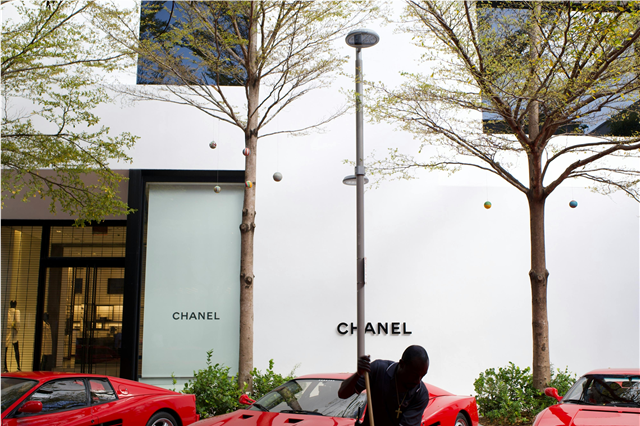
Vintage cars represent more than just transportation—they're rolling pieces of history that tell the story of human innovation, style, and cultural evolution. From the earliest horseless carriages to the iconic models of the 1920s-1970s, vintage automobiles showcase the remarkable journey of automotive development and design.
What Defines a "Vintage" Car?
Before diving into their rich history, it's essential to understand what qualifies as a vintage car. Generally, vintage vehicles fall into two categories:
- Antique cars (25+ years old)
- Classic cars (20-25 years old)
These distinctions help categorize vehicles based on their historical significance and collectible value, with many insurance companies and automotive organizations using specific age requirements for classic car policies.
The Birth of the Automobile Era
The Pioneering Years (1885-1920)
The history of vintage cars begins with Karl Benz's Patent-Motorwagen in 1885—widely considered the world's first true automobile. This three-wheeled marvel set the stage for a transportation revolution that would reshape society forever.
Fun Fact: The first car accident occurred in 1891 when James Penney collided with a root while driving his motorized vehicle, resulting in $500 in damages (equivalent to about $15,000 today)!
Early automotive pioneers like Henry Ford, Ransom E. Olds, and the Duryea brothers transformed the automobile from a luxury item for the wealthy into a practical mode of transportation for the masses.
The Mass Production Revolution
Henry Ford's introduction of the Model T in 1908 revolutionized car ownership through assembly line production. This innovation dramatically reduced manufacturing costs, making automobiles accessible to average families for the first time.
Interesting Fact: Ford produced over 15 million Model T cars between 1908 and 1927—more than any other model in history until the Volkswagen Beetle surpassed it in 1972.
The Golden Age of Automotive Design (1920s-1950s)
The Roaring Twenties
The 1920s marked the beginning of vintage car culture as we know it today. During this era:
- Styling became paramount: Cars evolved from purely functional machines to expressions of personal style and status
- Brand identity emerged: Companies like Cadillac, Packard, and Rolls-Royce established themselves as luxury marques
- Technological advances accelerated: Electric starters, hydraulic brakes, and improved suspension systems became standard
Notable Vintage Models from This Era:
- Bugatti Type 35 (1924): Dominated racing circuits with over 1,000 victories
- Aston Martin 1.5 Litre (1921): Launched the British luxury sports car legacy
- Rolls-Royce Phantom I (1925): Redefined automotive luxury and craftsmanship
The Art Deco Influence (1930s)
The 1930s brought streamlined designs inspired by the Art Deco movement. Cars became more aerodynamic and visually striking, with manufacturers competing to create the most elegant and technologically advanced vehicles.
Intriguing Detail: The Talbot-Lago T150C (1937) featured a distinctive "teardrop" design that influenced automotive aesthetics for decades.
Post-War Automotive Renaissance (1940s-1960s)
The American Muscle Car Era
Following World War II's end, American manufacturers unleashed their creativity on the civilian market. The 1950s and 1960s became known for:
- Exaggerated tail fins inspired by wartime aircraft
- Chrome bumpers and trim that sparkled under showroom lights
- Powerful V8 engines that defined American automotive muscle
Iconic Vintage Models Include:
- Chevrolet Corvette (1953): America's first mass-produced sports car
- Ford Thunderbird (1955): Created the "personal luxury car" category
- Porsche 356 (1948): Established German engineering excellence
European Elegance and Innovation
European manufacturers focused on sophisticated engineering and racing pedigree during this period:
- Ferrari 250 GTO (1962): Considered by many to be the most beautiful car ever made
- Jaguar E-Type (1961): Called "the most beautiful car ever made" by Enzo Ferrari
- Mercedes-Benz 300SL (1954): Featured iconic "gullwing" doors and cutting-edge technology
Why Vintage Cars Remain Significant Today
Cultural Heritage Preservation
Vintage cars serve as mobile museums, preserving the craftsmanship, design philosophies, and technological innovations of their respective eras. Each vehicle represents a snapshot of its time's social, economic, and cultural conditions.
Investment Value
The vintage car market has proven remarkably resilient:
- Classic car indices consistently outperform traditional stock markets
- Rare models regularly sell for millions at auction houses like RM Sotheby's and Gooding & Company
- Hedge funds increasingly include vintage automobiles in diversified portfolios
Market Milestone: In August 2019, a 1962 Ferrari 250 GTO sold for $70 million, making it the most expensive car ever auctioned.
Engineering Appreciation
Vintage cars showcase handcrafted excellence that modern mass production often overlooks:
- Mechanical simplicity allows enthusiasts to understand and maintain vehicles
- Timeless designs continue to influence contemporary automotive styling
- Pure driving experience without modern electronic interference
Community and Culture
The vintage car community fosters:
- Restoration craftsmanship passed down through generations
- Car shows and concours events bringing together enthusiasts worldwide
- Historical motorsport preserving racing heritage and techniques
Preserving Vintage Automotive History
Modern vintage car enthusiasts face unique challenges:
- Parts availability for discontinued models
- Specialized knowledge required for authentic restoration
- Storage and maintenance costs for these prized possessions
However, the rewards are immeasurable:
- Driving history through original or faithfully restored vehicles
- Connecting generations of automotive enthusiasts
- Preserving craftsmanship techniques that might otherwise be lost
The Future of Vintage Cars
As we advance into an electric future, vintage cars become even more precious as tangible links to our mechanical heritage. The combination of rarity, historical significance, and aesthetic appeal ensures these automotive treasures will continue captivating collectors and enthusiasts for generations to come.
Whether you're drawn to the elegant curves of a 1930s Bugatti, the muscular stance of a 1960s Mustang, or the sophisticated engineering of a vintage Mercedes-Benz, vintage cars represent the pinnacle of automotive artistry—a time when cars were built to last forever and tell stories that continue to inspire today.
Vintage cars aren't just old vehicles; they're rolling monuments to human ingenuity, design excellence, and the enduring appeal of mechanical artistry. Each model tells a unique story of its era while connecting us to the rich heritage of automotive evolution.


